Negative impactEconomy
Neelkanth Mishra explains why foreign investors are pulling money out of India
CNBC-TV18 57 min ago·19 Oct 2026, 11:59 am
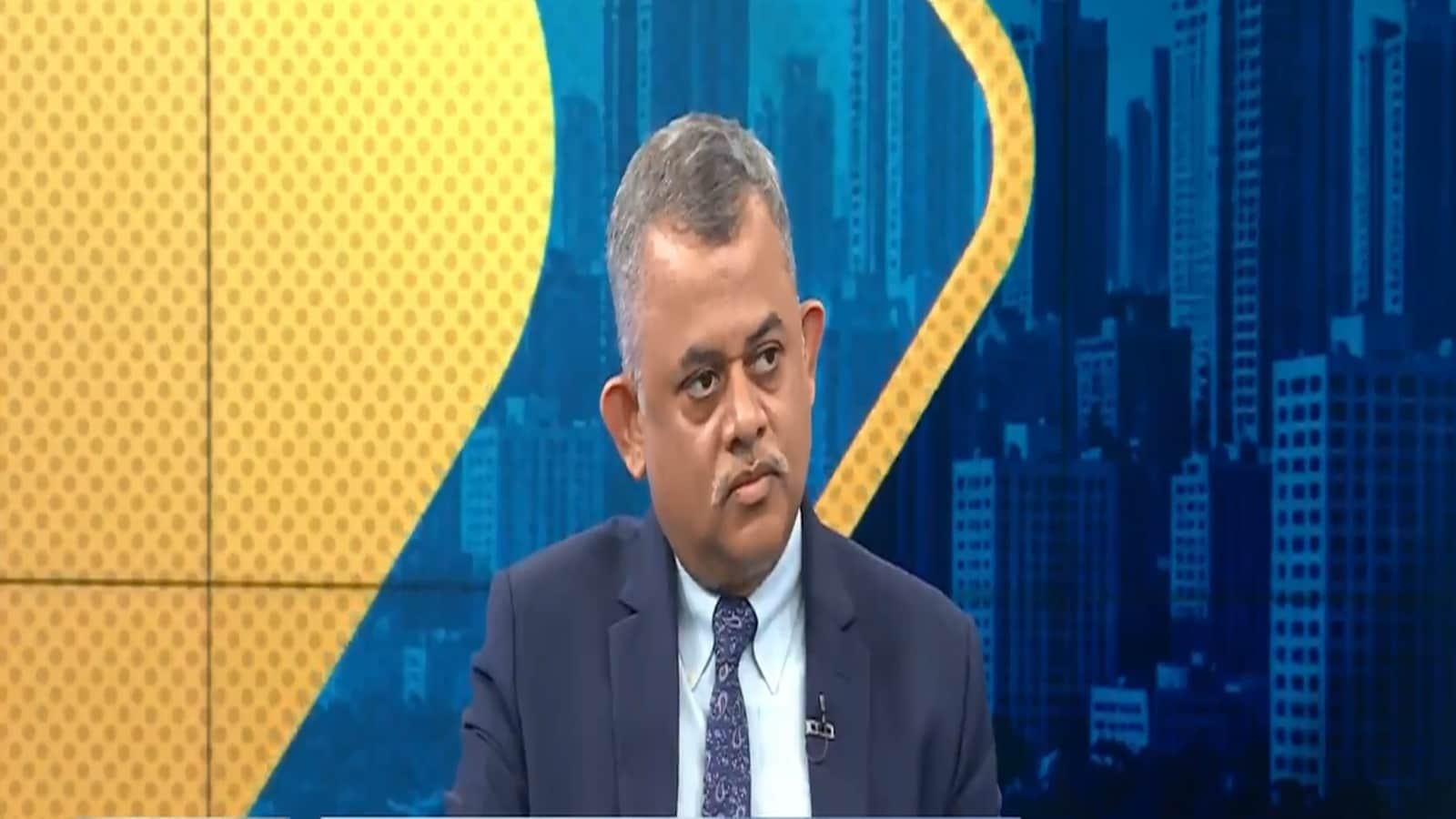
Global Macro strategist Neelkanth Mishra has highlighted a key challenge for India’s stock market: foreign investors are reducing their exposure. According to Mishra, the primary driver is the attractive returns available in the United States, which are making Indian assets comparatively less appealing. Additionally, he suggests that the complex regulatory environment and administrative hurdles may be deterring foreign capital more than tax rates themselves.
For retail investors, this shift in sentiment is important because foreign money has been a major pillar of India’s recent market rally. When foreign funds exit, it can create volatility and put downward pressure on stock prices. While the domestic economy remains strong, this trend signals that global liquidity conditions and regulatory ease are critical factors that investors must monitor closely.
Moving forward, investors should watch for any policy changes aimed at simplifying compliance and business procedures. Improvements in these areas could help stabilize foreign inflows. Furthermore, keeping an eye on US interest rate trends will be essential, as they directly influence the flow of capital into emerging markets like India.
Excerpt from CNBC-TV18
Published On Oct 19, 2026 | 17:29 IST Last Updated On Oct 19, 2026 | 17:29 IST World Bank’s Neelkanth Mishra says higher US returns are making India less attractive to overseas investors, while complex rules and paperwork may be a bigger hurdle than taxes. Rising US bond yields are making India less attractive to…Read the original at CNBC-TV18
Affected stocks
Bearish1 stock
Bull / bear label is derived from the article's AI sentiment — indicative, not advice. Prices may be delayed.
Key takeaways
- Concerns Neelkanth (NEELKANTH).
- Category: Economy.
- AI reads the tone as negative (potentially bearish) for the stock.
- Assessed as a significant, market-relevant update.
Why it matters
A meaningful update for Neelkanth worth tracking. The tone is negative — watch for downside reaction. Use the price and stock snapshot to gauge how the market is responding.