Negative impactSector
Negative Breakout: These 8 large-cap stocks cross below their 200 DMAs
Economic Times 1 hr ago·21 Oct 2026, 2:14 am
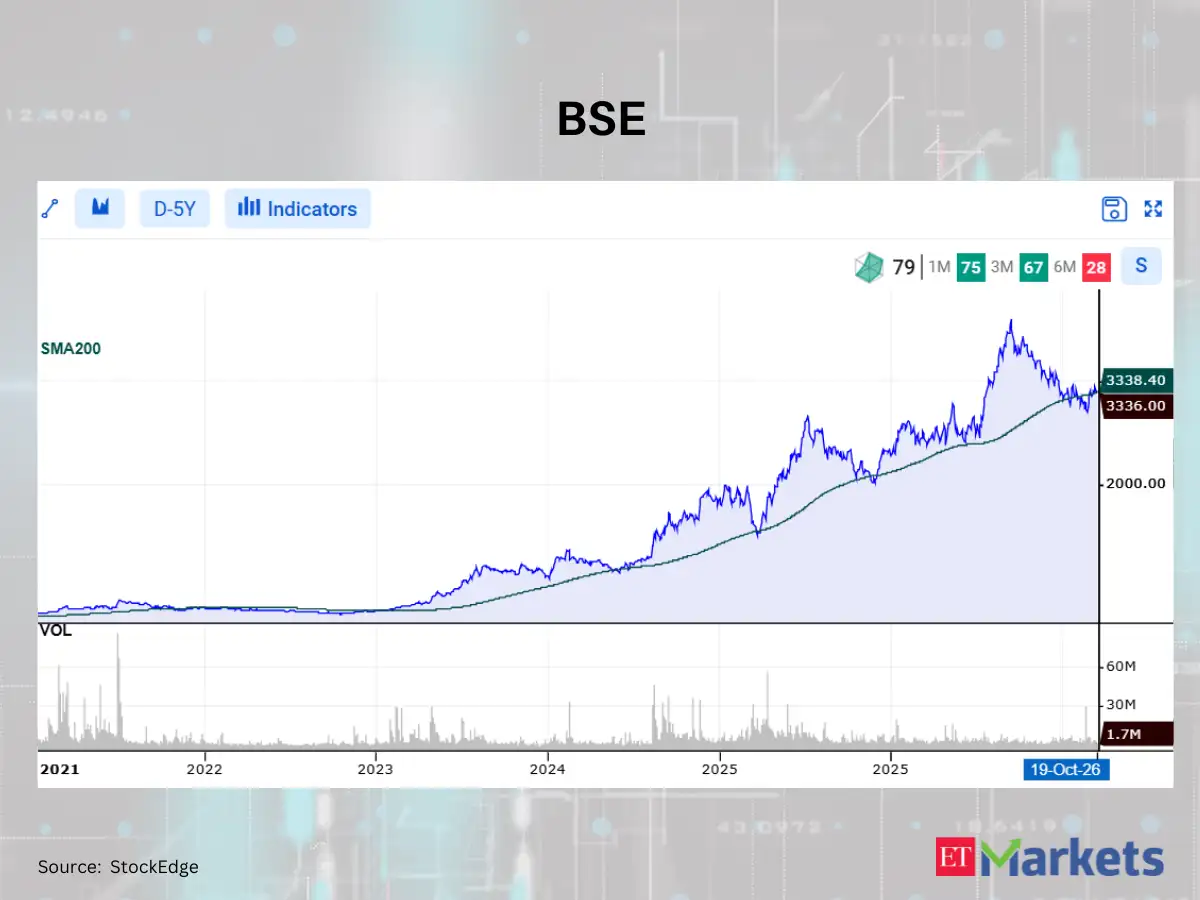
Eight large-cap stocks have recently broken below their 200-day moving averages (DMAs), a technical signal that suggests a shift from a long-term uptrend to a downtrend. The 200 DMA acts as a crucial benchmark for investors, smoothing out daily price fluctuations to reveal the stock's average performance over the past 40 weeks. When a stock closes below this level, it often indicates that the broader market sentiment has turned bearish for that specific company.
This development is significant for retail investors as it highlights a potential structural weakness in these large-cap names. Crossing below the 200 DMA can trigger automatic sell orders for algorithmic traders and may signal to fundamental investors that the company's growth story is facing headwinds. It serves as an early warning sign that the stock's performance may deteriorate further in the near term.
Investors should monitor these stocks closely for the next few sessions. If the price fails to stabilize above the 200 DMA, the downtrend could deepen. Conversely, a strong rebound that closes above this key level would suggest the bearish pressure is fading. Keeping an eye on volume during these moves is also essential to gauge the strength of the selling pressure.
Excerpt from Economic Times
In the NSE large-cap pack, eight stocks' closing prices crossed below their 200-day moving averages (DMA) on October 19, according to technical scan data from StockEdge. Trading below the 200 DMA is generally considered a negative signal, as it suggests that a stock’s price is below its long-term trend. The 200 DMA is…Read the original at Economic Times
Key takeaways
- Category: Sector.
- AI reads the tone as negative (potentially bearish) for the stock.
Why it matters
A routine update. The tone is negative — watch for downside reaction. Use the price and stock snapshot to gauge how the market is responding.