Negative impactCompany
Negative Breakout: These 8 midcap stocks cross below their 200 DMAs
Economic Times 1 hr ago·25 Sept 2026, 2:08 am
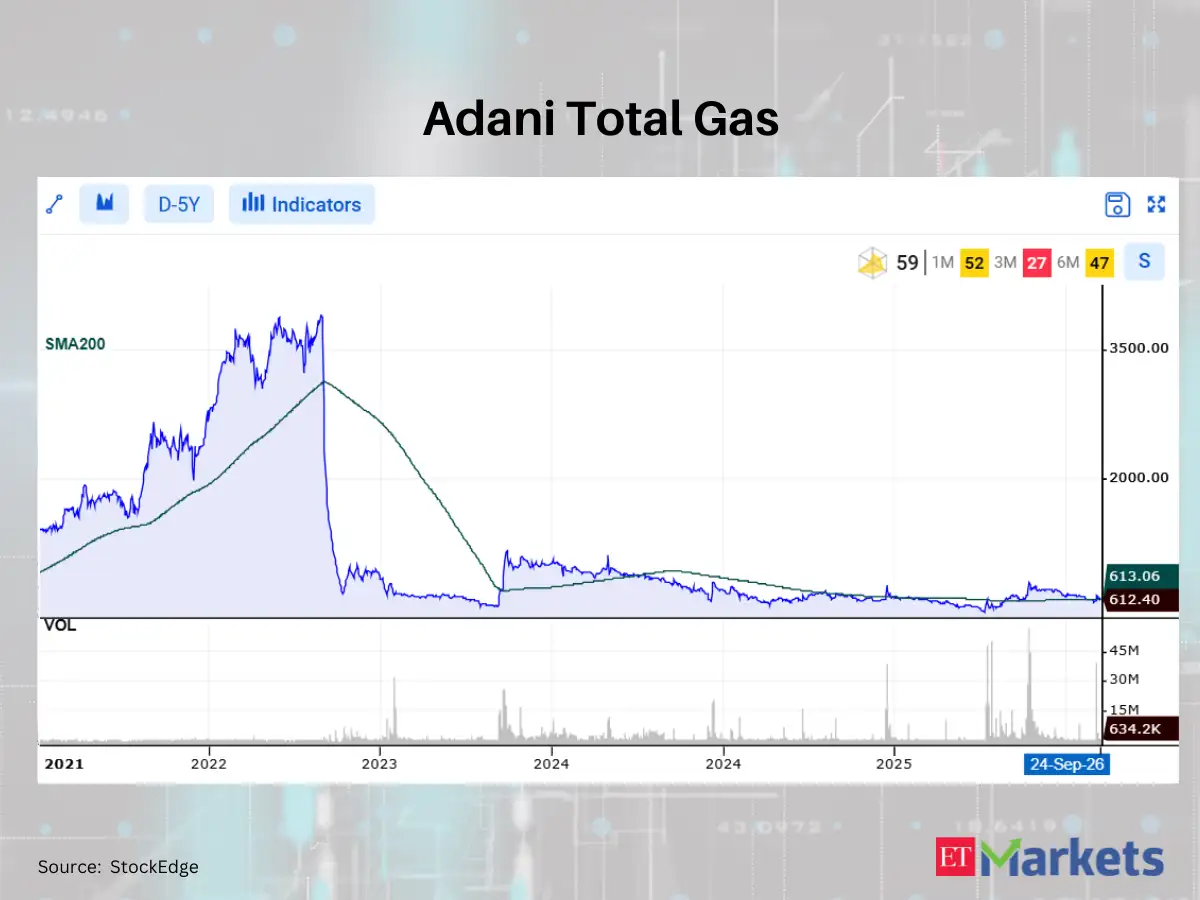
A negative breakout occurs when a stock's price falls below a key technical level, such as its 200-day moving average (DMA). This indicator represents the average closing price over the past 200 trading days and is often used by investors to gauge the long-term trend of a security. When a stock trades below this level, it suggests that the broader market sentiment has turned bearish, potentially signaling a shift from an uptrend to a downtrend.
For investors, this technical signal is important because it can act as an early warning of further downside risk. While it does not guarantee that a stock will continue to fall, it highlights that the stock's performance is now lagging behind its own historical average. This can lead to increased volatility and may prompt traders to reassess their positions, particularly if the stock breaks below other support levels.
Moving forward, investors should monitor the stock's price action near the 200 DMA. If the stock manages to reclaim this level, it could indicate a potential reversal or a temporary pause in the decline. However, if the price remains below the 200 DMA, the stock may face continued selling pressure. Keeping an eye on broader market trends and the stock's specific fundamentals will also be crucial for making informed decisions.
Excerpt from Economic Times
In the Nifty500 pack, eight stocks' closing prices crossed below their 200-day moving averages (DMA) on September 24, according to technical scan data from StockEdge. Trading below the 200 DMA is generally considered a negative signal, as it suggests that a stock’s price is below its long-term trend. The 200 DMA is a…Read the original at Economic Times
Key takeaways
- Category: Company.
- AI reads the tone as negative (potentially bearish) for the stock.
Why it matters
A routine update. The tone is negative — watch for downside reaction. Use the price and stock snapshot to gauge how the market is responding.