Negative impactCompany
Negative Breakout: These 8 stocks cross below their 200 DMAs
Economic Times 1 hr ago·20 Aug 2026, 2:05 am
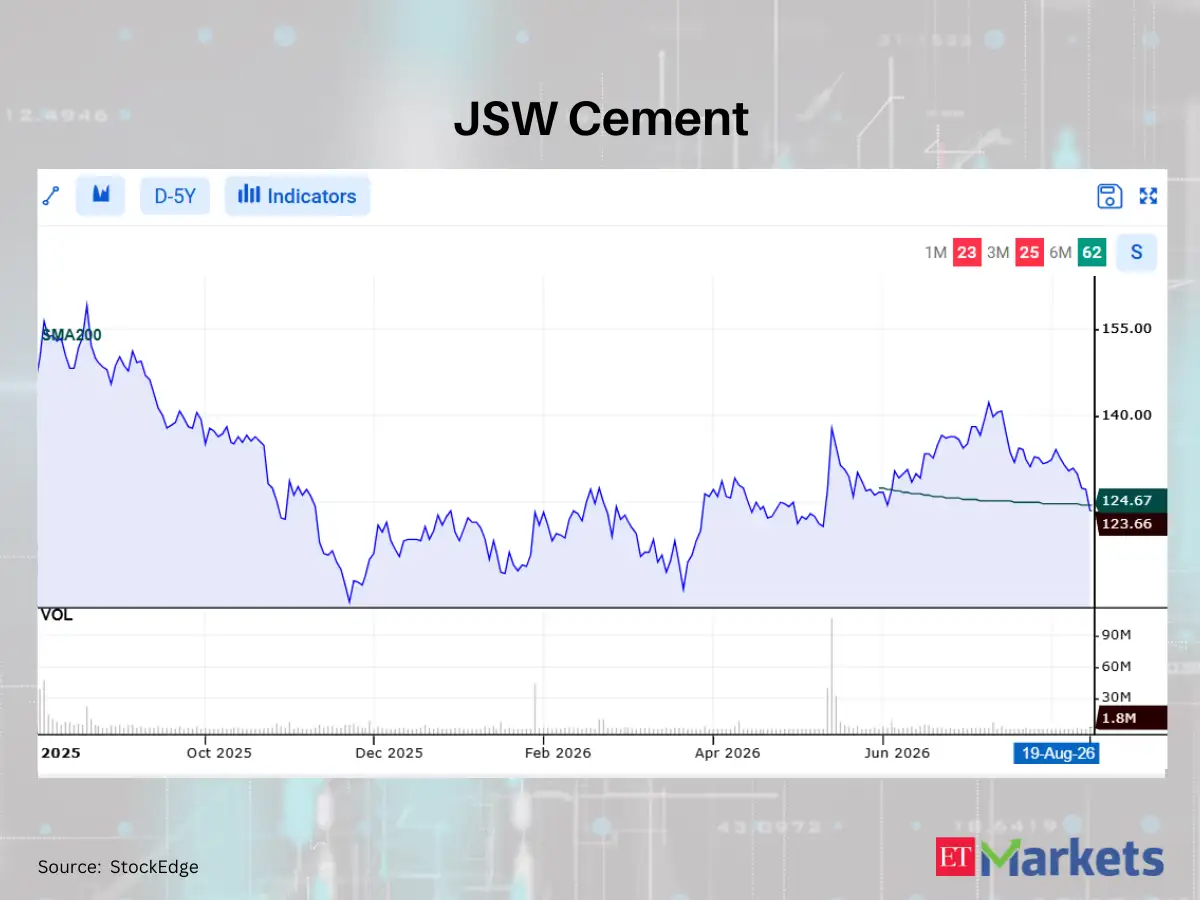
A 200-day moving average (DMA) is a widely used technical tool that tracks the average closing price of a stock over the past 200 trading days. It acts as a benchmark for the medium-term trend, with prices generally considered to be in a long-term uptrend when they remain above this level. A negative breakout occurs when a stock's price falls below this critical support line, signaling a potential shift in market sentiment.
For investors, this technical signal is significant because it often indicates that the broader trend has turned bearish. Crossing below the 200 DMA can trigger selling pressure, as it suggests that the stock is no longer supported by long-term holders. This move is particularly important for traders who rely on trend-following strategies, as it may signal the start of a prolonged downtrend.
Moving forward, traders will closely watch if the stock can reclaim the 200 DMA level. A failure to bounce back could lead to further declines, while a strong recovery might indicate a temporary pullback in an otherwise bullish trend. Investors should monitor volume and other technical indicators to gauge the strength of the move.
Key takeaways
- Category: Company.
- AI reads the tone as negative (potentially bearish) for the stock.
Why it matters
A routine update. The tone is negative — watch for downside reaction. Use the price and stock snapshot to gauge how the market is responding.