Negative impactEconomy
Nepal Floods Expose Gaps in Warning Systems, China Data Sharing
NDTV Profit 2 hrs ago·31 Aug 2026, 4:07 am
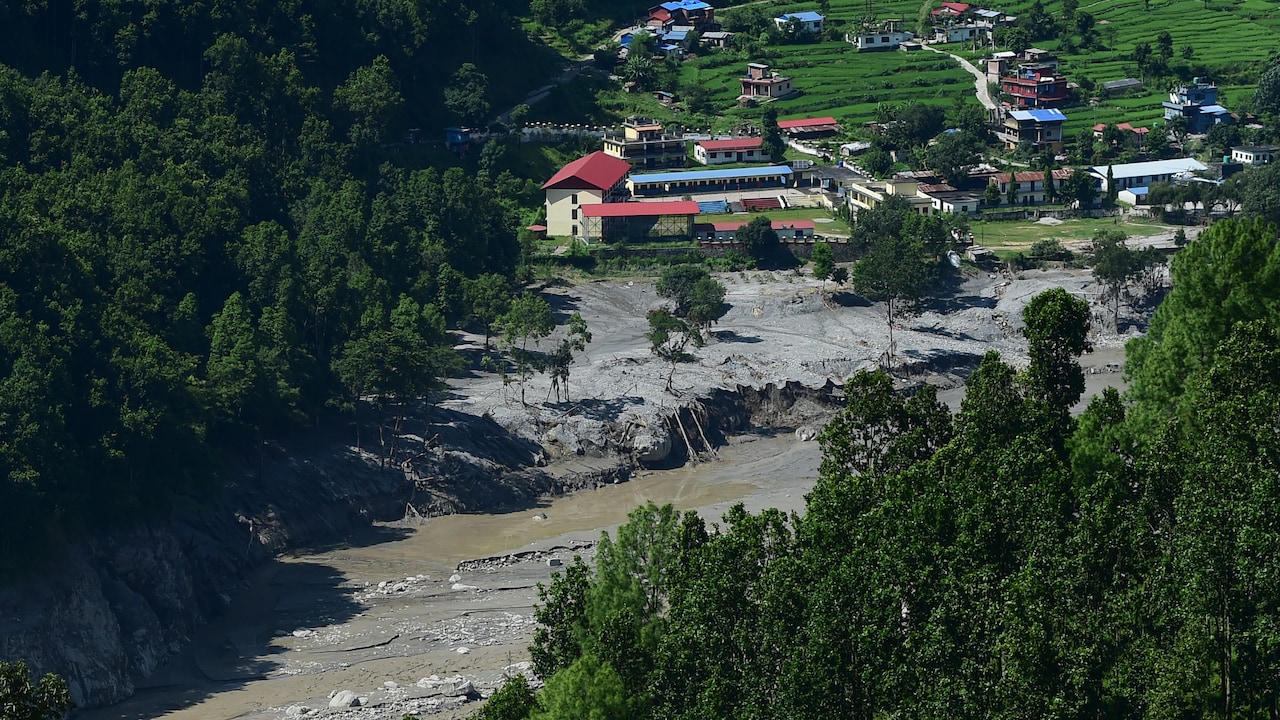
Recent devastating floods in Nepal have raised serious questions about the effectiveness of early warning systems in the Himalayan region. Satellite analysis suggests that a sudden collapse of a glacier bedrock triggered the disaster, highlighting a critical gap in monitoring geological risks.
For investors, this event underscores the growing importance of climate resilience. It signals that infrastructure and safety protocols in vulnerable regions may be lagging behind environmental changes. Companies operating in or supplying these areas could face increased operational risks and higher costs related to disaster management.
Moving forward, investors should watch for policy responses and improved data-sharing agreements between nations. Increased government spending on infrastructure safety and climate adaptation could present long-term opportunities, while companies with weak risk management in these zones may face reputational and financial headwinds.
Key takeaways
- Category: Economy.
- AI reads the tone as negative (potentially bearish) for the stock.
Why it matters
A routine update. The tone is negative — watch for downside reaction. Use the price and stock snapshot to gauge how the market is responding.