Negative impactEconomy
Nepal Floods: Toll Rises To 768 Nearly A Week After Disaster; Over 2,500 Missing
NDTV Profit 10 hrs ago·30 Aug 2026, 10:47 am
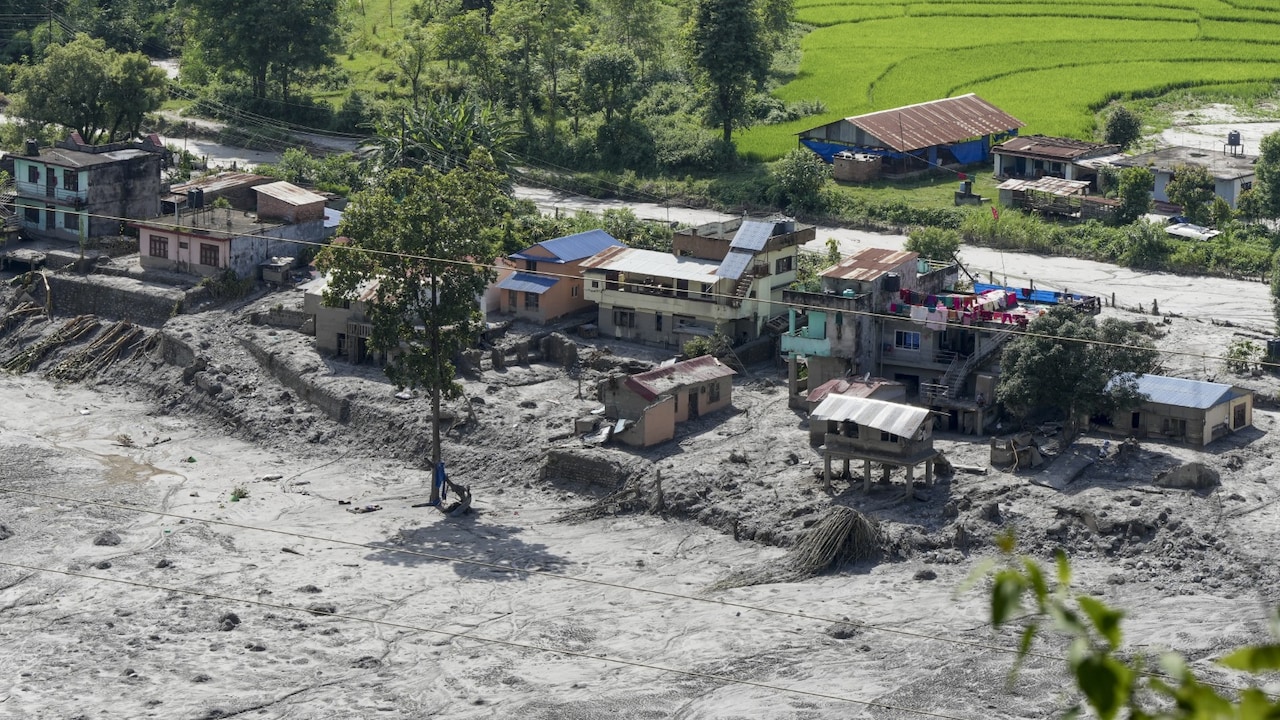
Heavy monsoon rains triggered devastating flash floods across Nepal, causing widespread destruction and claiming at least 768 lives. The disaster has left over 2,500 people missing, with infrastructure severely damaged and debris scattered across residential areas. The scale of the devastation is prompting a massive humanitarian response and raising concerns about the country's long-term economic recovery.
For investors, this tragedy highlights the increasing volatility and risks associated with emerging markets, particularly those heavily reliant on monsoon-dependent sectors like agriculture and hydropower. While the immediate impact on global markets may be limited, the event serves as a reminder of the geopolitical and environmental risks that can influence investor sentiment. Broader market indices could see short-term fluctuations as investors reassess risk exposure in vulnerable regions.
Moving forward, investors should monitor the pace of relief efforts and the government's reconstruction plans. Any delays or funding shortages could prolong economic instability in the region. Additionally, watch for updates on how major insurers and infrastructure companies are responding, as their exposure to the disaster could impact their financial performance in the coming quarters.
Key takeaways
- Category: Economy.
- AI reads the tone as negative (potentially bearish) for the stock.
Why it matters
A routine update. The tone is negative — watch for downside reaction. Use the price and stock snapshot to gauge how the market is responding.