Neutral impactEconomy
New airfare rules: Centre gets power to step in during extraordinary situations, here's what changes
CNBC-TV18 1 hr ago·2 Nov 2026, 2:27 am
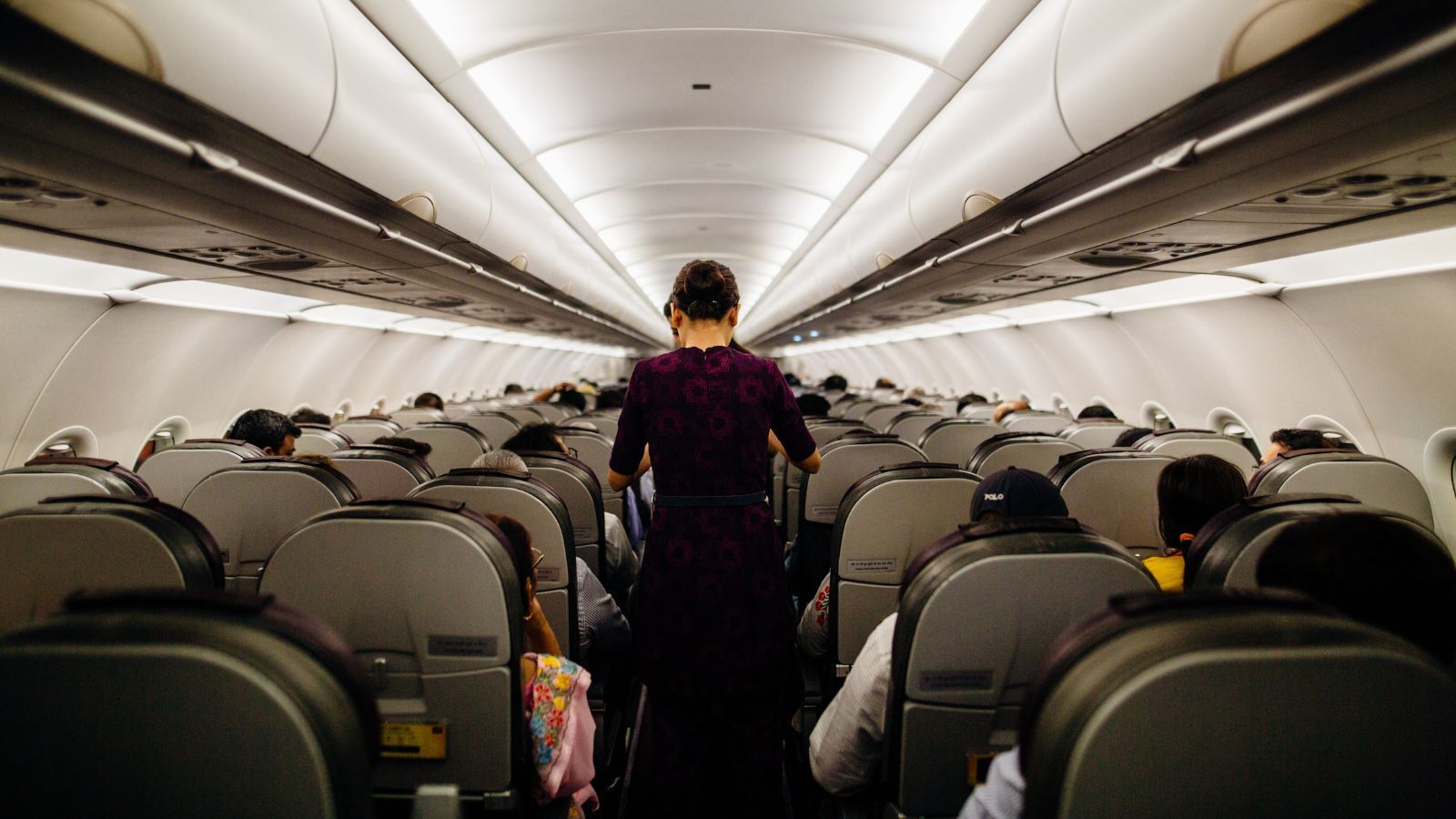
The government has introduced new airfare rules that give the Directorate General of Civil Aviation (DGCA) more control over airline pricing. Under the updated regulations, airlines must now submit their proposed fares to the regulator and publish them on their websites. This transparency is intended to ensure that ticket prices are fair and consistent, particularly during times of high demand or market instability.
For investors, this move is significant because it aims to stabilize the aviation sector. By regulating pricing, the government seeks to prevent excessive hikes that could hurt consumer demand and airline profitability. It also reduces the risk of market manipulation, which could otherwise lead to unpredictable earnings for airlines.
Investors should watch for how airlines respond to these rules. If compliance is smooth, it could signal a more stable operating environment. However, if airlines struggle to adjust their pricing strategies, it might impact their short-term margins. Keeping an eye on the DGCA's implementation and any subsequent market reactions will be key.
Excerpt from CNBC-TV18
Published On Nov 2, 2026 | 07:56 IST Last Updated On Nov 2, 2026 | 07:57 IST Under Rule 192, airlines must submit their tariffs to the Director General of Civil Aviation (DGCA) in the form and at the intervals specified by the regulator. They must also publish these tariffs on their websites or other digital platforms…Read the original at CNBC-TV18
Key takeaways
- Category: Economy.
- Assessed as a significant, market-relevant update.
Why it matters
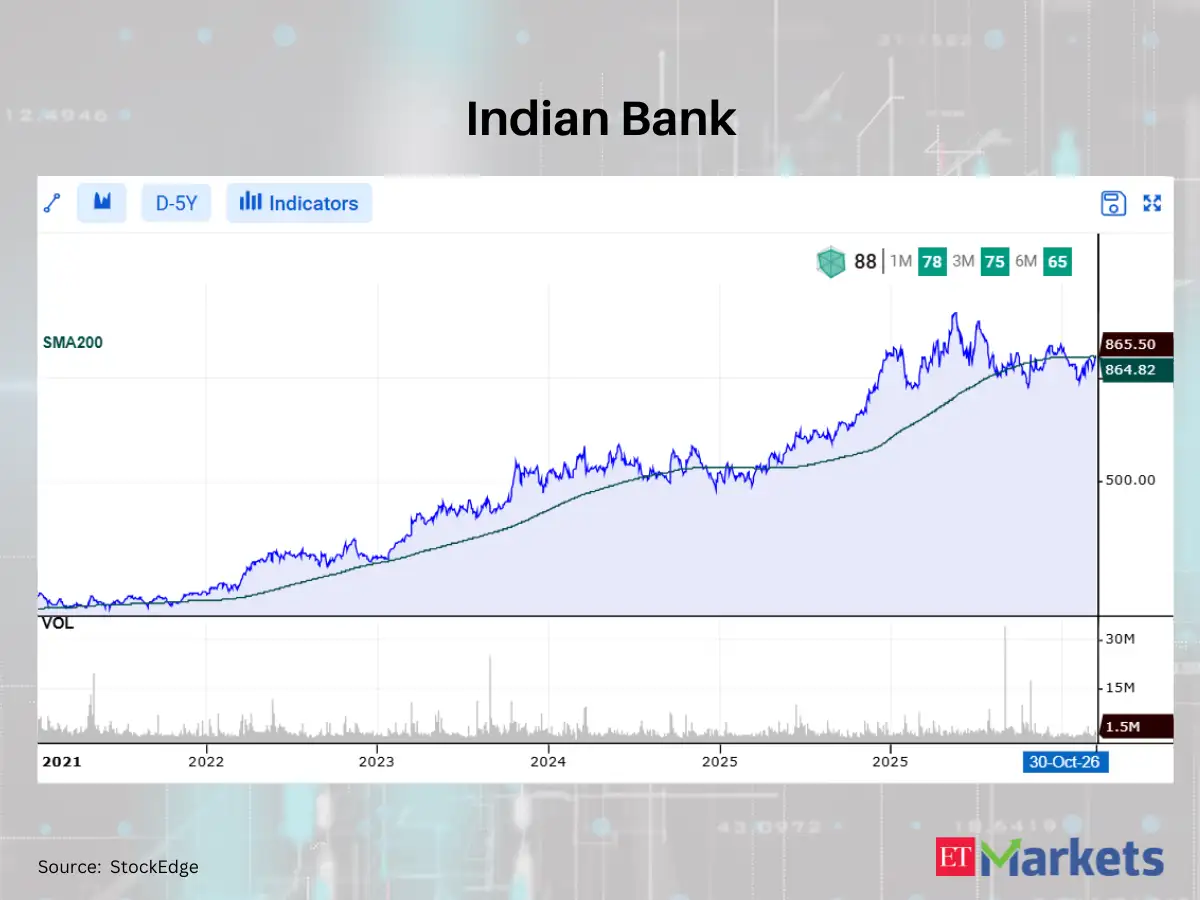
A meaningful update worth tracking. Use the price and stock snapshot to gauge how the market is responding.