Neutral impactEconomy
New Zealand route won’t help third-country goods claim India FTA benefits: Here’s what changes
Economic Times 5 hrs ago·21 Sept 2026, 4:28 pm

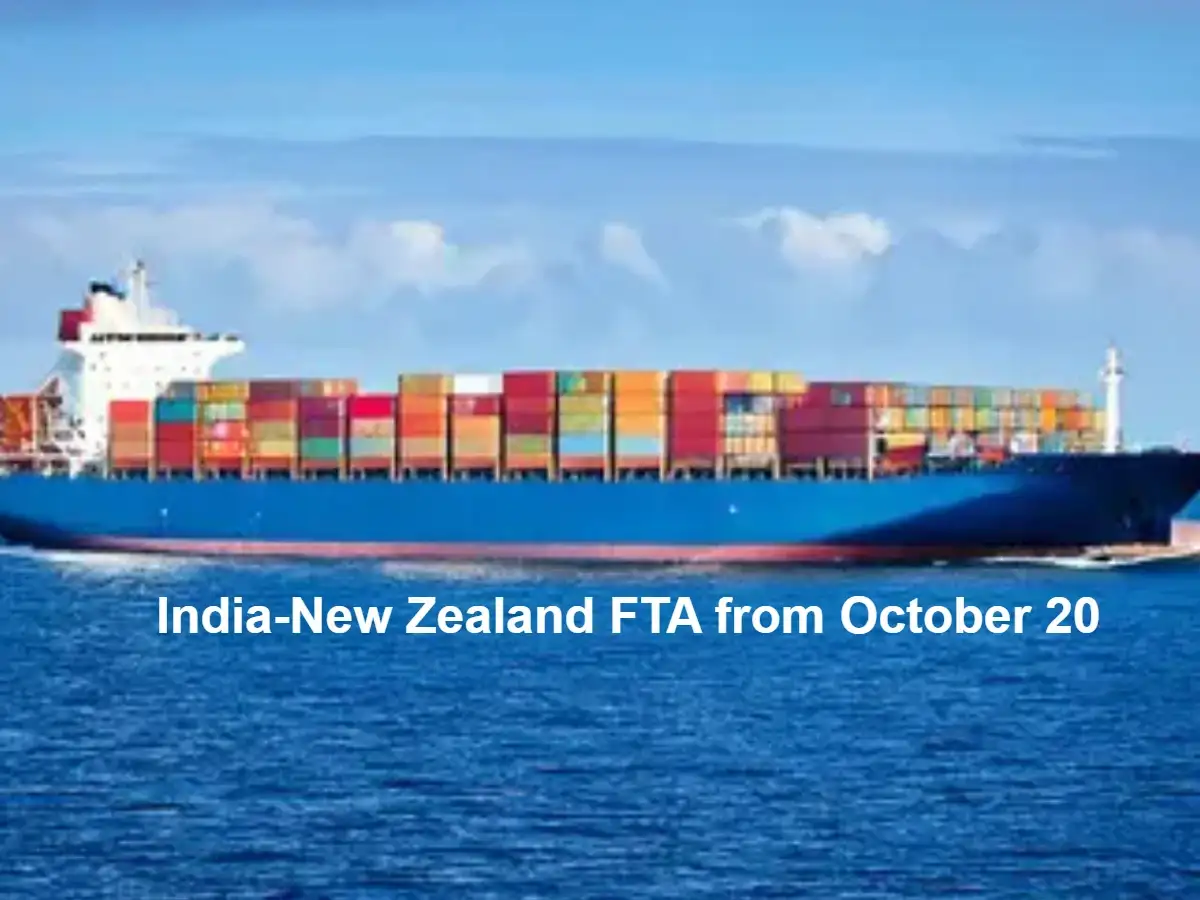
The India-New Zealand Comprehensive Economic Cooperation and Partnership Agreement (CECPA) has officially come into effect. The pact allows for a phased reduction in import duties on goods traded between the two nations. However, the agreement includes a crucial clause that goods from third countries cannot be routed through New Zealand to claim these tariff benefits. This means that while exporters in India can access the New Zealand market with lower duties, goods from other nations cannot use New Zealand as a transit point to gain preferential access.
This structure is significant for investors as it creates a distinct trade relationship that prioritizes domestic producers. It also protects sensitive sectors like dairy and gems and jewellery from immediate duty cuts. Beyond trade, the deal introduces a new temporary employment visa pathway for skilled Indian workers and provisions to promote student mobility. These changes aim to deepen economic ties and facilitate movement for professionals and students.
Investors should monitor the pace of duty reductions and the uptake of the new visa provisions. The agreement's success will depend on how quickly exporters can adapt to the new tariff structures and whether the new mobility provisions lead to increased business travel and student enrollment. Tracking these factors will be key to understanding the long-term impact on bilateral trade.
Key takeaways
- Category: Economy.
Why it matters
A routine update. Use the price and stock snapshot to gauge how the market is responding.