Neutral impactStocks
Nifty indices rejig: Which stocks will see the biggest inflows and outflows?
Economic Times 1 hr ago·29 Sept 2026, 6:03 am

Nifty’s periodic stock selection review, scheduled for September 30, is a key event for the market. This process involves adding and removing companies from the benchmark indices to ensure they accurately reflect the current market landscape. The changes are driven by market capitalization and liquidity, and they directly impact how index funds and Exchange Traded Funds (ETFs) manage their portfolios.
For investors, this reshuffle triggers mandatory buying and selling by passive funds. Stocks entering the index must be purchased to match the new benchmark, while those exiting are sold. This automatic rebalancing can create significant short-term price pressure, often leading to inflows for the selected companies and outflows for those being dropped.
Investors should monitor the list of stocks being added and removed. While these flows can offer short-term trading opportunities, the underlying reason for the change is structural. It is important to focus on the long-term fundamentals of the companies rather than reacting solely to the temporary impact of index fund rebalancing.
Excerpt from Economic Times
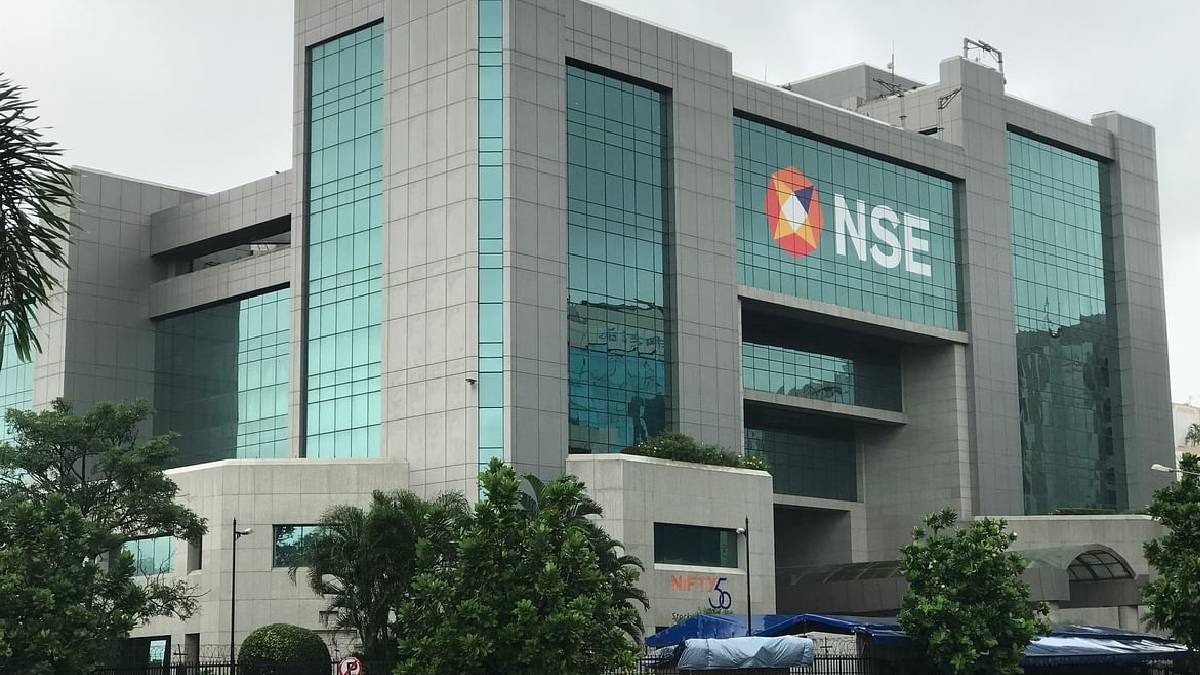
The National Stock Exchange’s (NSE) semi-annual Nifty index rejig will take effect on September 30, with Nuvama Alternative & Quantitative Research identifying the stocks likely to see the biggest inflows and outflows.The brokerage expects BSE to attract the highest inflows of $594 million across passive indices,…Read the original at Economic Times
Key takeaways
- Category: Stocks.
- Assessed as a significant, market-relevant update.
Why it matters
A meaningful update worth tracking. Use the price and stock snapshot to gauge how the market is responding.