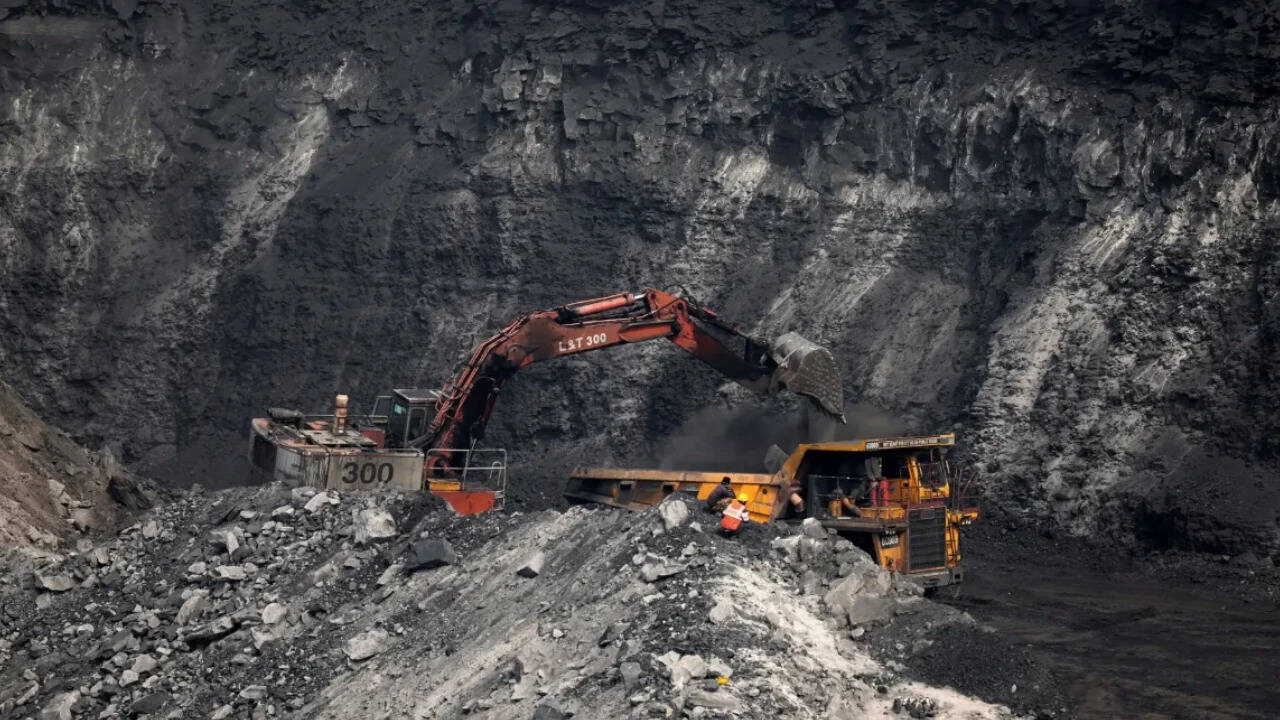
Nifty set for worst returns in 15 years, analysts weigh in
Business Today 4 hrs ago·28 Sept 2026, 11:26 am
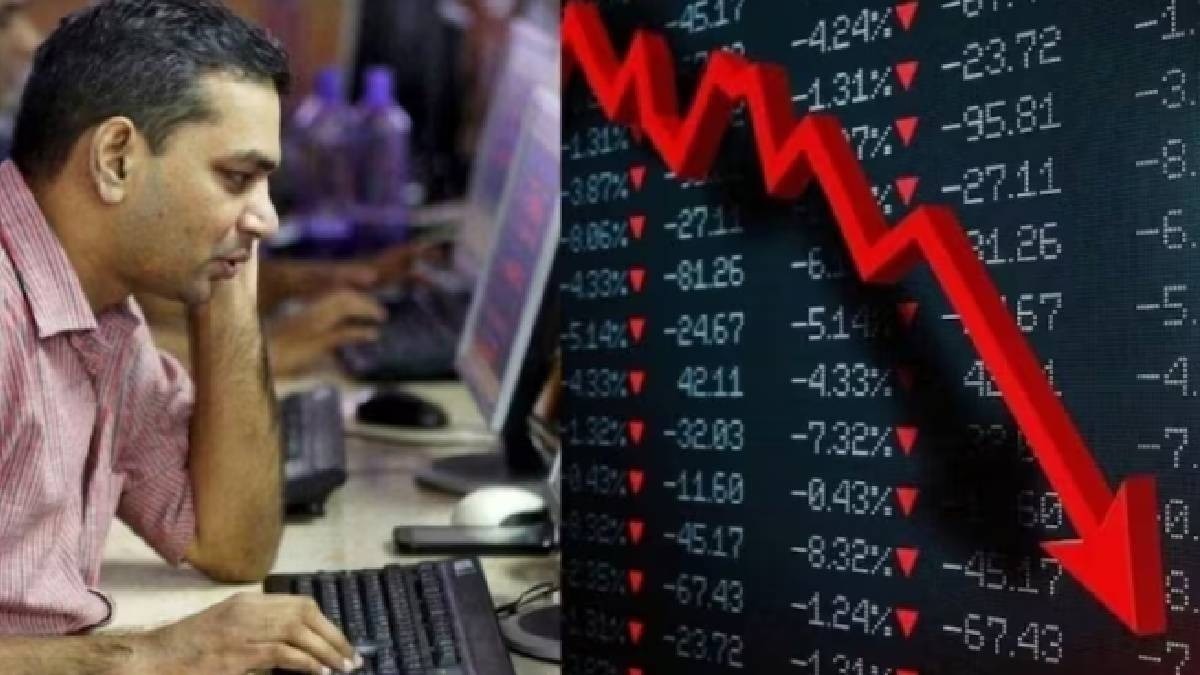
India's benchmark Nifty 50 index is on track for its weakest annual performance in over a decade, reflecting a broader global market downturn. This sharp decline is largely driven by a combination of high interest rates, slowing economic growth, and persistent inflation, which have forced investors to reassess risk in equity markets worldwide. The sell-off has been particularly severe in recent weeks, eroding gains made earlier in the year and testing investor patience.
For retail investors, this environment highlights the importance of maintaining a long-term perspective and avoiding panic selling. While short-term volatility can be unsettling, history suggests that markets tend to recover over time. It is crucial to focus on the underlying fundamentals of the companies you own rather than getting swayed by daily fluctuations. Staying invested and diversifying your portfolio are key strategies to weather such periods of uncertainty.
Moving forward, investors should watch for signs of easing inflation and potential interest rate cuts by central banks. Corporate earnings reports and global economic data will also be critical in determining the market's direction. If these indicators improve, it could signal a turnaround, but until then, caution and preparedness are essential.
Excerpt from Business Today
In the current session, Nifty crashed 360 pts to 22,780. The Indian market logged its seventh straight negative weekly closing last week-its worst losing streak since Covid 20. The 50-stock Nifty is set to clock its worst returns in 15 years as rising bond yields, West Asia war and brent crude prices roil investor…Read the original at Business Today
Key takeaways
- Category: Economy.
- AI reads the tone as negative (potentially bearish) for the stock.
- Flagged as a high-impact, market-moving story.
Why it matters
This is a high-impact development and could move the stock. The tone is negative — watch for downside reaction. Use the price and stock snapshot to gauge how the market is responding.