Negative impactEconomy
Nifty Treads Water As Oil Prices And Volatility Bite
Finimize 7 hrs ago·3 Sept 2026, 11:38 am
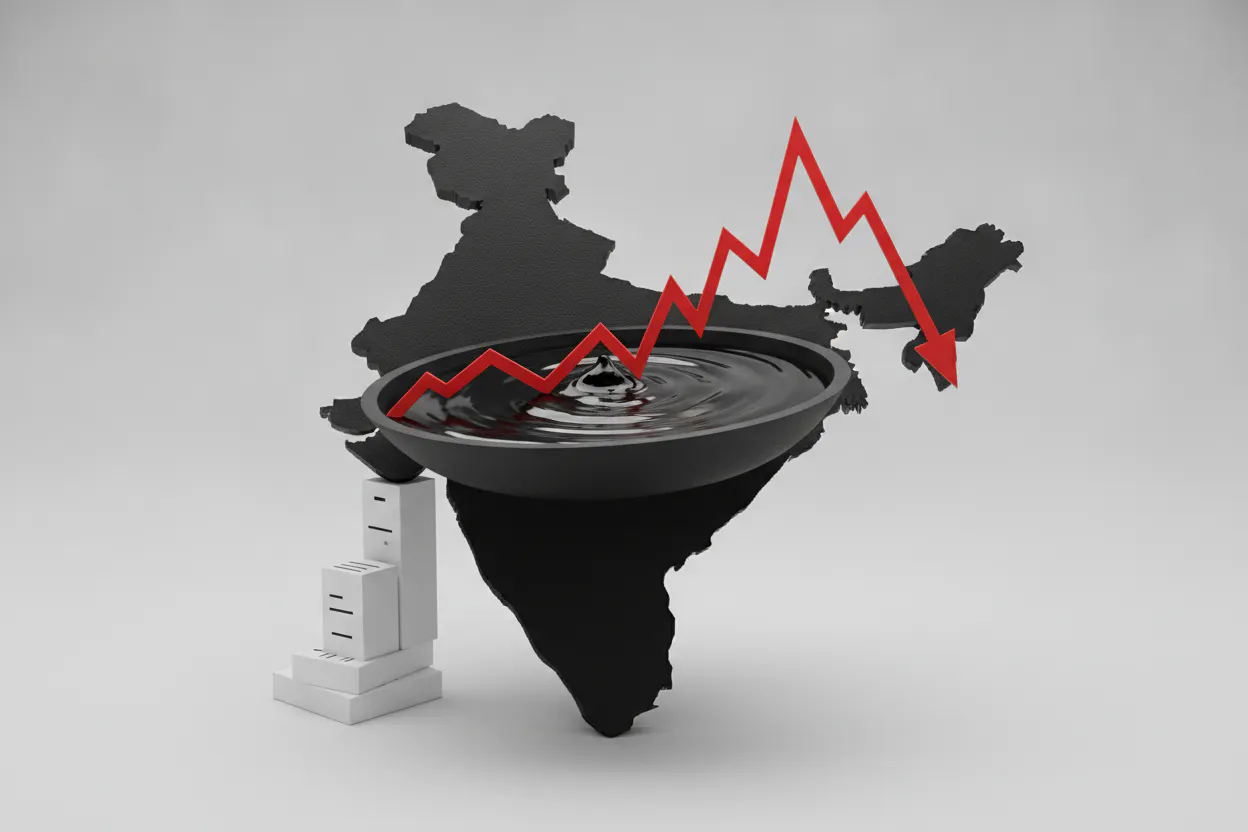
The Indian stock market is currently showing signs of weakness, with the Nifty 50 index struggling to find a clear direction. This sideways movement comes as investors grapple with rising global crude oil prices, which have increased the cost of fuel and imported commodities. Higher energy costs also raise concerns about inflation, prompting central banks to maintain a hawkish stance on interest rates. Consequently, market volatility has picked up, making it difficult for stocks to sustain any significant upward momentum.
For retail investors, this environment highlights the importance of a defensive portfolio strategy. With the market in a consolidation phase, investors are advised to focus on large-cap, high-quality stocks that have strong balance sheets and can weather economic headwinds. It is crucial to avoid chasing short-term gains in a choppy market and instead prioritize capital preservation over aggressive returns.
Moving forward, market participants should keep a close watch on global crude oil trends and the upcoming inflation data. Any sharp rise in oil prices could trigger further volatility, while positive cues from the global markets might help the index reclaim its key levels. Investors should remain patient and wait for a clear breakout signal before making any major portfolio changes.
Excerpt from Finimize
Indian stocks closed mixed after a late Sensex slide in the closing auction, even as bank shares rose on the RBI’s $136 billion swap inflows. Indian stocks ended Thursday mixed and jumpy: the Nifty 50 was basically flat, but the Sensex slid late after a choppy closing auction and firmer oil prices cooled investors’…Read the original at Finimize
Key takeaways
- Category: Economy.
- AI reads the tone as negative (potentially bearish) for the stock.
- Assessed as a significant, market-relevant update.
Why it matters
A meaningful update worth tracking. The tone is negative — watch for downside reaction. Use the price and stock snapshot to gauge how the market is responding.