NSE IPO: Anchor book gets ₹6,745 crore from 100-plus investors; LIC, Norges Bank, ADIA among key buyers: Report
Mint 2 hrs ago·16 Sept 2026, 3:10 pm

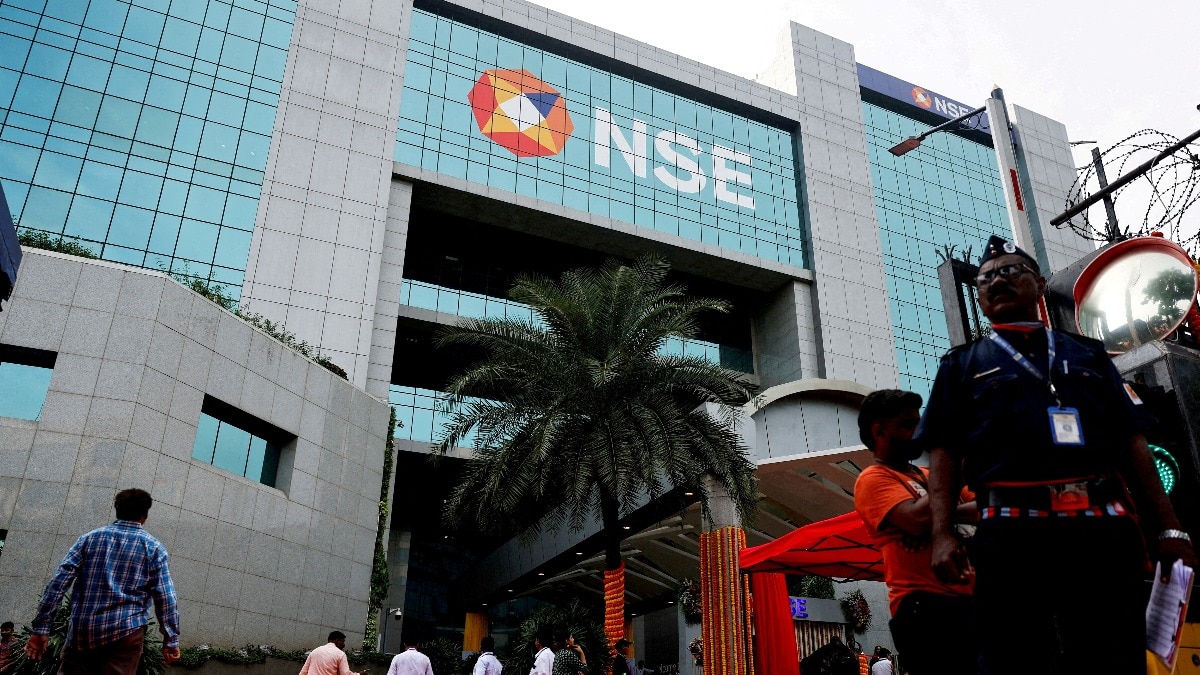
The National Stock Exchange of India has secured strong demand for its upcoming IPO, with anchor investors committing to buy shares worth over ₹6,745 crore. This group, which includes major institutional names like Life Insurance Corporation of India, Norges Bank, ADIA, and Fidelity, represents a vote of confidence from some of the world's largest asset managers. The anchor book is now fully subscribed, indicating robust interest from sophisticated investors before the general public gets a chance to apply.
This high level of institutional participation is a positive signal for the exchange's valuation. It suggests that the market views the NSE's dominant position as a key growth driver. For retail investors, a strong anchor book often points to a healthy subscription during the public offer phase. However, it is important to note that anchor investors are committed to holding their shares for a set period, which could influence short-term market dynamics once the listing occurs.
Investors should now focus on the price band and the overall subscription numbers when the offer opens. The anchor book's success sets a high bar, but the final outcome will depend on how the broader market reacts to the pricing and the broader economic environment. Keep an eye on the grey market premium to gauge retail sentiment before the listing.
Excerpt from Mint
The National Stock Exchange of India allocated shares worth ₹ 6,745 crore to over 100 anchor investors ahead of its IPO. Major investors included LIC, Norges Bank, ADIA, and Fidelity. The National Stock Exchange of India allocated shares worth ₹ 6,745 crore ($702.93 million) to more than 100 anchor investors ahead of…Read the original at Mint
Key takeaways
- Category: IPO.
- AI reads the tone as positive (potentially bullish) for the stock.
- Flagged as a high-impact, market-moving story.
Why it matters
This is a high-impact development and could move the stock. The tone is positive — historically associated with upward pressure, though not predictive. Use the price and stock snapshot to gauge how the market is responding.