Neutral impactIPO
NSE IPO: What is keeping retail investors cautious despite full subscription on Day 2?
Fortune India 1 hr ago·20 Sept 2026, 6:14 am
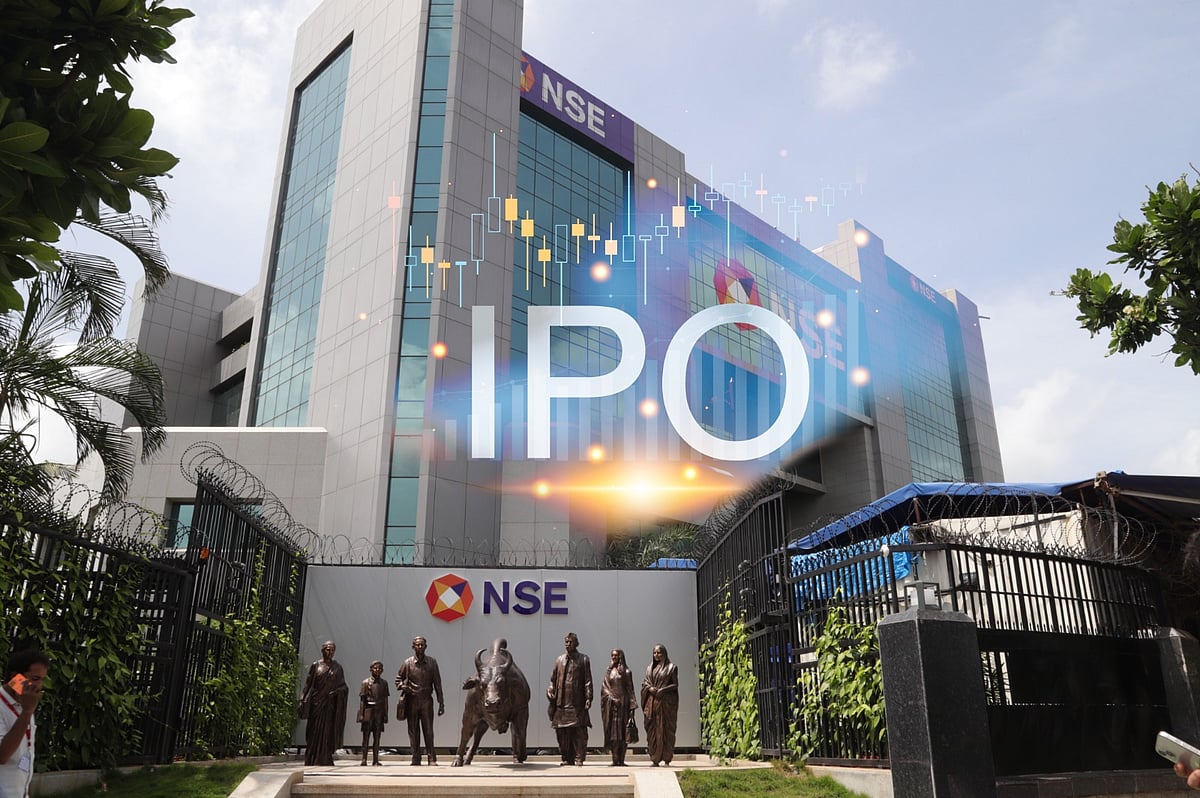
The National Stock Exchange’s (NSE) initial public offering attracted enough interest to be fully subscribed by the second day of bidding, signalling strong overall demand for the listing. However, many retail investors are still holding back, watching how the final allocation will be split between institutional and individual participants.
Retail caution stems from a few key factors. The price band set for the IPO sits at the higher end of recent market valuations, and the proportion of shares earmarked for small investors is relatively limited. In addition, broader market volatility and mixed performance of recent Indian IPOs have made investors wary of committing large sums without clearer signals on post‑listing price stability.
Going forward, investors should keep an eye on the final allocation results, the stock’s opening price on the listing day, and any regulatory updates that could affect trading. The early price action and subsequent market response will provide clues about whether the broader market sentiment aligns with the initial enthusiasm shown during the subscription period.
Excerpt from Fortune India
The ₹22,562-crore initial public offering (IPO) of the National Stock Exchange of India (NSE) was fully subscribed on the second day of bidding, but failed to generate the same level of interest among retail investors. The portion reserved for retail investors received only 72% subscription at the close of bidding on…Read the original at Fortune India
Key takeaways
- Category: IPO.
- Assessed as a significant, market-relevant update.
Why it matters
A meaningful update worth tracking. Use the price and stock snapshot to gauge how the market is responding.