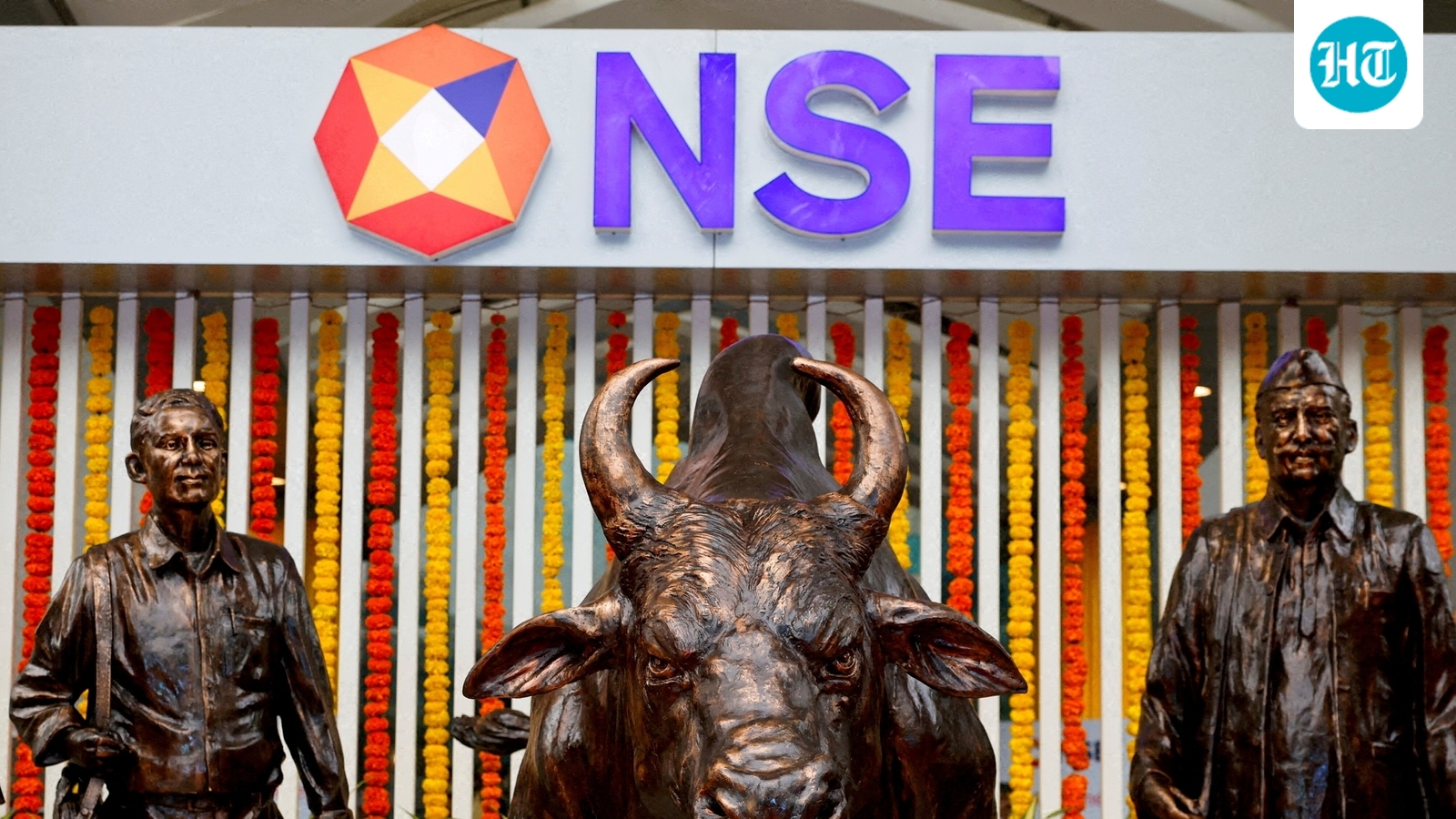
Positive impactIPO
NSE listing today: What investors need to know about the ₹22,562 crore
CNBC-TV18 1 hr ago·24 Sept 2026, 1:32 am

The National Stock Exchange of India (NSE) has successfully concluded its much-anticipated ₹22,562 crore initial public offering (IPO). The issue was subscribed 5.71 times during the three-day bidding window, indicating strong demand from investors. The Qualified Institutional Buyers (QIBs) segment saw the highest subscription at 12.68 times, followed by the Non-Institutional Investors (NIIs) at 6.55 times. The retail investor portion was subscribed 1.39 times, reflecting a healthy interest from individual investors.
This landmark IPO marks a significant milestone for the Indian capital markets, as NSE becomes the first exchange to list in India. For investors, the listing is a key event to watch, as the stock's debut price will provide crucial insights into market sentiment and valuation. The high subscription levels, particularly from institutional investors, suggest confidence in the exchange's business model and growth prospects.
Investors should monitor the listing price closely, as it will be determined through the book-building process. The stock's performance post-listing will be influenced by broader market conditions and the exchange's operational metrics. It is advisable for investors to stay informed about the listing details and market trends before making any investment decisions.
Excerpt from CNBC-TV18
The ₹22,561.57 crore NSE IPO was subscribed 5.71 times during the three day bidding period that ended September 21. The qualified institutional buyer category was subscribed 12.68 times, while the non institutional investor category was subscribed 6.55 times. The retail portion was subscribed 1.39 times. Disclaimer:…Read the original at CNBC-TV18
Key takeaways
- Category: IPO.
- AI reads the tone as positive (potentially bullish) for the stock.
- Assessed as a significant, market-relevant update.
Why it matters
A meaningful update worth tracking. The tone is positive — historically associated with upward pressure, though not predictive. Use the price and stock snapshot to gauge how the market is responding.