Positive impactStocks
NSE’s D-Street Debut Makes It 6th Most Valuable Exchange. What’s ahead?
Economic Times 1 hr ago·25 Sept 2026, 12:14 pm

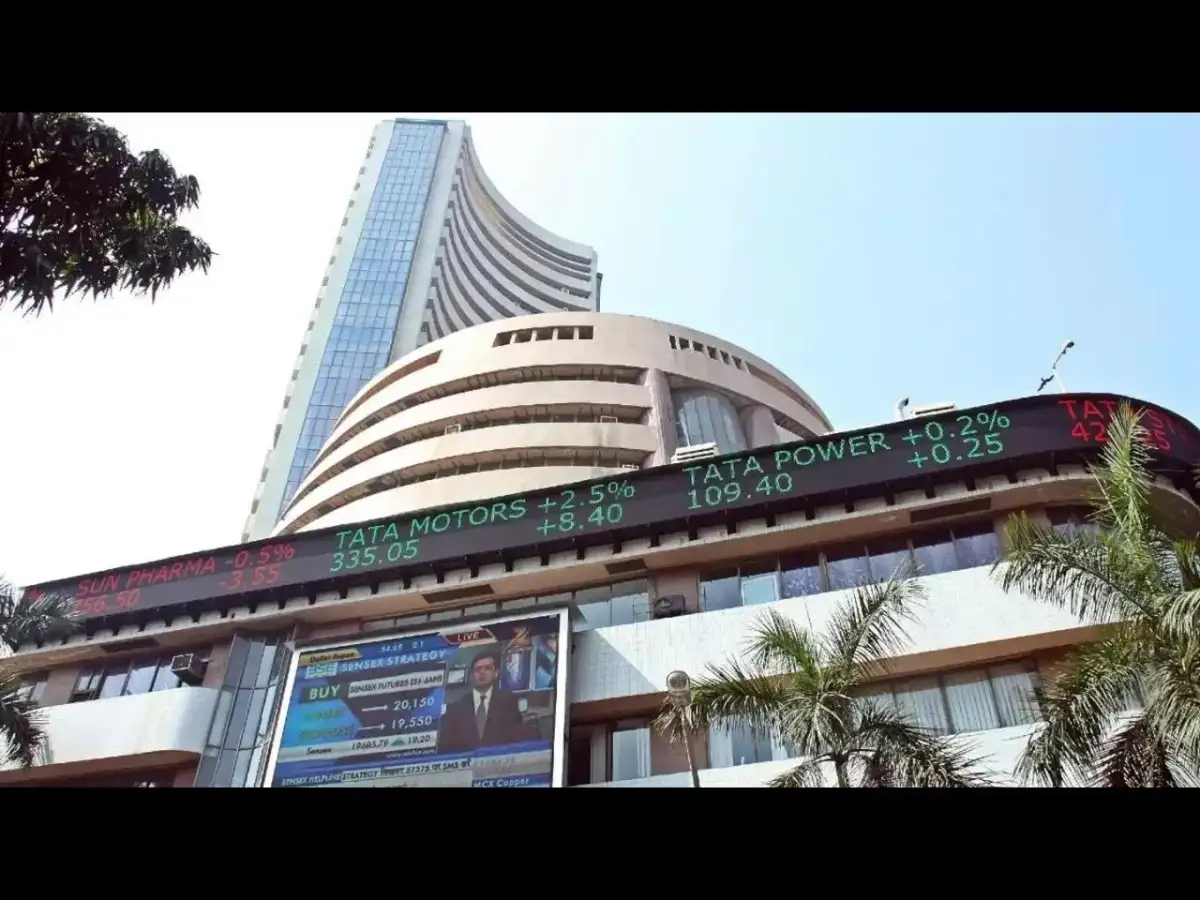
The National Stock Exchange (NSE) has officially become the sixth most valuable stock exchange in the world, overtaking exchanges in Hong Kong and Brazil. This milestone was achieved after its parent company, NSE India, listed its shares on the domestic market, which saw strong investor demand and a surge in valuation. The listing marks a significant moment for the exchange, which dominates the Indian equity market and is a key player in the country's financial infrastructure.
This development matters to investors because it highlights the immense scale and influence of the Indian capital market. A more valuable exchange often signals robust trading volumes and investor confidence in the broader economy. For retail investors, it reinforces the importance of the Indian equity market as a global growth story. The listing also provides a benchmark for the exchange's future performance and its role in driving financial inclusion.
Going forward, investors should watch the exchange's trading volumes and fee structures. A sustained increase in activity could indicate a healthy market environment. Additionally, regulatory developments and technological upgrades will be key factors to monitor. The exchange's ability to innovate and adapt will be crucial in maintaining its position as a leader in the global financial landscape.
Excerpt from Economic Times
03:27 NSE IPO: India's biggest exchange lists at ₹1,800 per share; gains 5% after flat debut Views: 730 04:20 CAS Chaos Explained: What’s Driving The Final 20-Minute Volatility? Views: 275 02:44 Gautam Adani’s big comeback: Adani Enterprises eyes Nifty crown Views: 1682 03:21 RBI loan recovery rules 2027: What…Read the original at Economic Times
Key takeaways
- Category: Stocks.
- AI reads the tone as positive (potentially bullish) for the stock.
- Assessed as a significant, market-relevant update.
Why it matters
A meaningful update worth tracking. The tone is positive — historically associated with upward pressure, though not predictive. Use the price and stock snapshot to gauge how the market is responding.