Negative impactStocks
NSE’s options-heavy revenue mix in focus ahead of listing
BusinessLine 8 hrs ago·21 Sept 2026, 1:55 pm

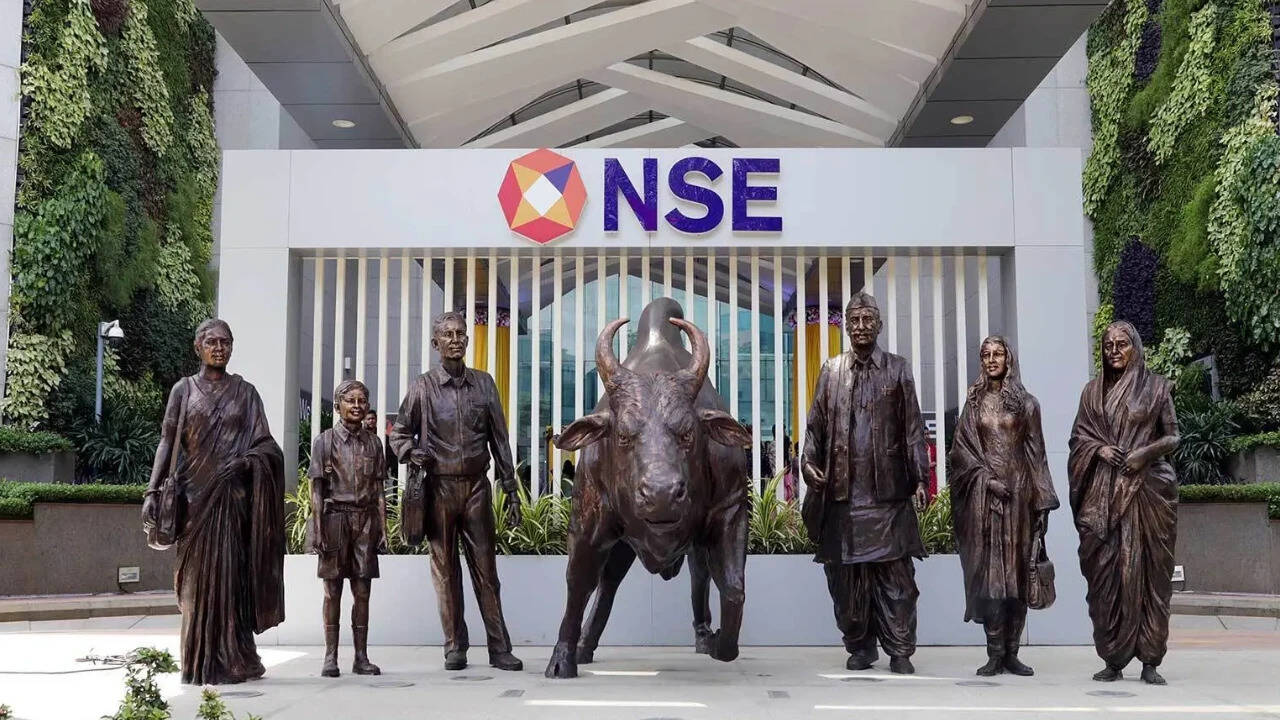
The National Stock Exchange (NSE) is preparing for its public listing, and analysts are closely watching its business model. A key area of focus is its heavy reliance on options trading. Data shows that weekly index options alone account for nearly half of the exchange's total operating revenue. This revenue stream is highly sensitive to market volatility and trading volumes.
For investors, this concentration is a double-edged sword. While a volatile market can boost trading activity and fees, a period of low volatility or a downturn can significantly hit NSE's earnings. The upcoming listing also faces competition from the BSE, which has been gaining market share in recent months. This competitive pressure adds another layer of complexity for investors to consider.
Investors should keep an eye on upcoming earnings reports and the broader market environment. Changes in trading volumes or volatility indices could signal shifts in NSE's revenue potential. The listing process itself will also be a critical event to watch, as it will provide a clearer picture of the exchange's valuation and future growth prospects.
Excerpt from BusinessLine
Options remain the National Stock Exchange’s (NSE) biggest earnings engine, accounting for about 60 per cent of operating revenue, even as the Securities and Exchange Board of India (SEBI) has been tightening rules around derivatives trading. The regulatory measures and consequent moderation in volumes have already…Read the original at BusinessLine
Key takeaways
- Category: Stocks.
- AI reads the tone as negative (potentially bearish) for the stock.
- Assessed as a significant, market-relevant update.
Why it matters
A meaningful update worth tracking. The tone is negative — watch for downside reaction. Use the price and stock snapshot to gauge how the market is responding.