Neutral impactCommodity
Oil prices steady as investors assess US-Iran war outlook
Economic Times 1 hr ago·20 Aug 2026, 1:56 am

Global oil markets have shown signs of stabilization as investors weigh the potential for further escalation in the U.S.-Iran conflict. While shipping activity through the Strait of Hormuz has faced disruptions due to rising regional tensions, the immediate threat of a full-scale war has not yet materialized. This cautious sentiment has helped keep prices steady despite the ongoing geopolitical uncertainty.
For investors, the primary concern is the impact of any supply shock on the broader economy. Higher oil prices can lead to increased fuel costs for consumers and businesses, which may dampen economic growth. The recent data showing a rise in U.S. inventories has provided some relief, suggesting that supply is currently sufficient to meet demand even with elevated tensions.
Moving forward, market participants will closely watch for any developments that could trigger a supply cut. A sudden escalation in the conflict or a blockade of key shipping routes could lead to a sharp price spike. Conversely, a de-escalation in tensions could result in a pullback in prices. Investors should monitor geopolitical news and inventory reports to gauge the market's direction.
Key takeaways
- Category: Commodity.
- Assessed as a significant, market-relevant update.
Why it matters
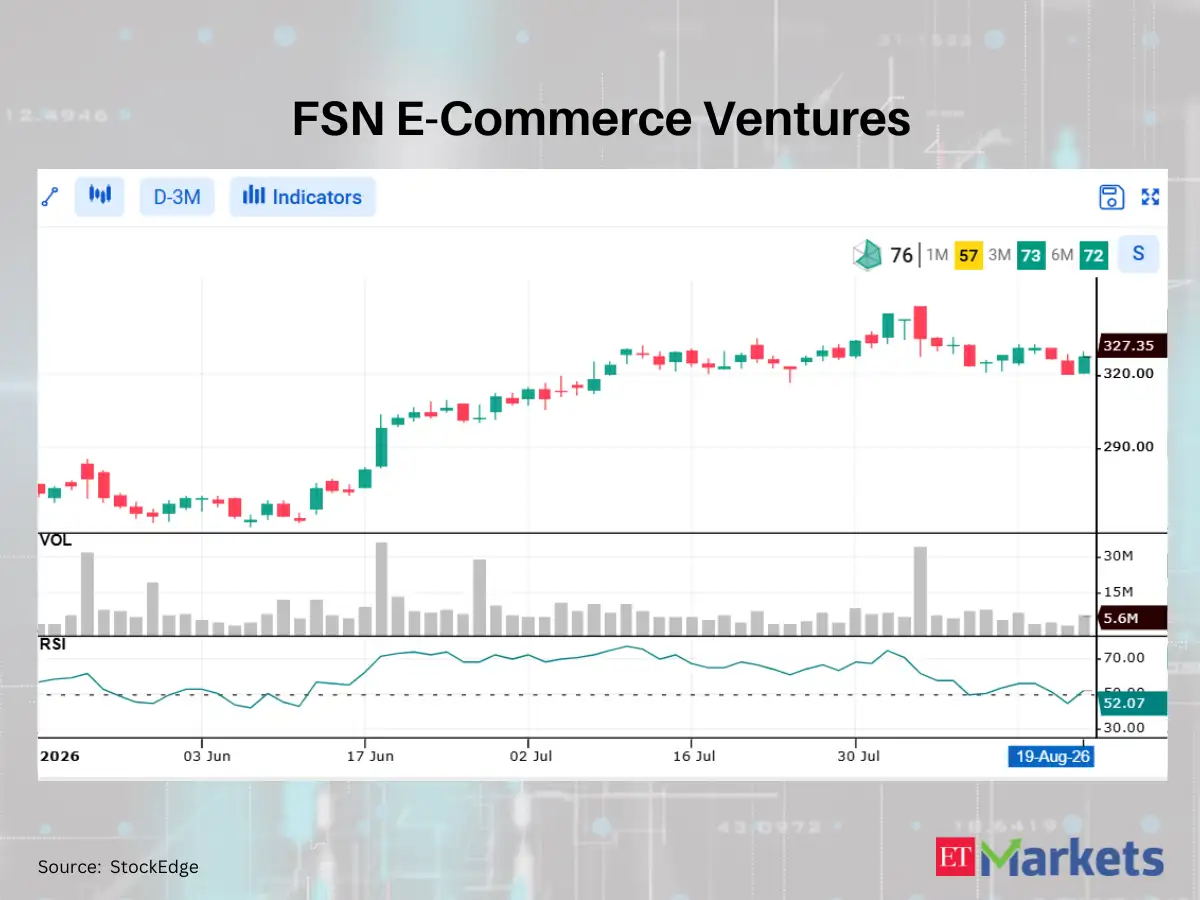
A meaningful update worth tracking. Use the price and stock snapshot to gauge how the market is responding.