Negative impactForex
'Prabhu, Bacha Lo Compounding': Middle Class India Has A Dollar Problem. It Just Doesn't Know It
NDTV Profit 4 hrs ago·21 Nov 2026, 4:53 am

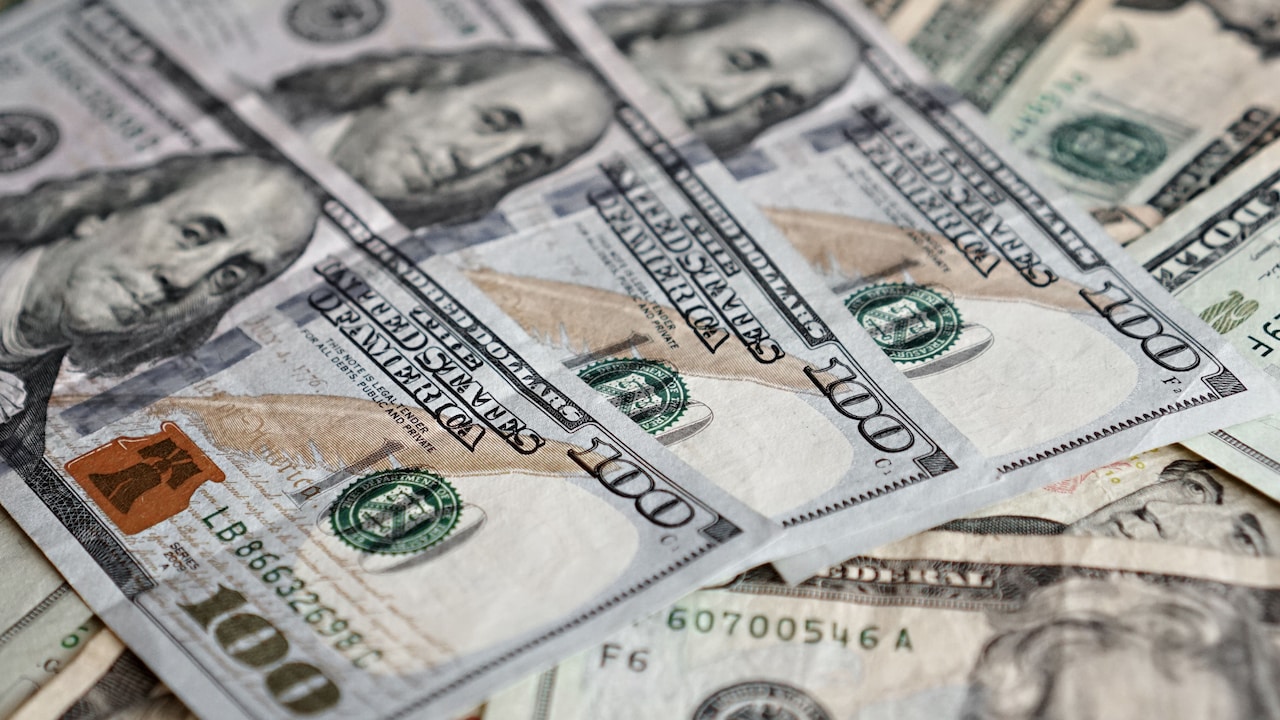
A growing number of middle-class Indians are unknowingly accumulating foreign currency assets, primarily through investments in US stocks and mutual funds. This trend is driven by the desire for global diversification and the appeal of established American companies. However, this seemingly prudent financial move creates a significant exposure to exchange rate fluctuations.
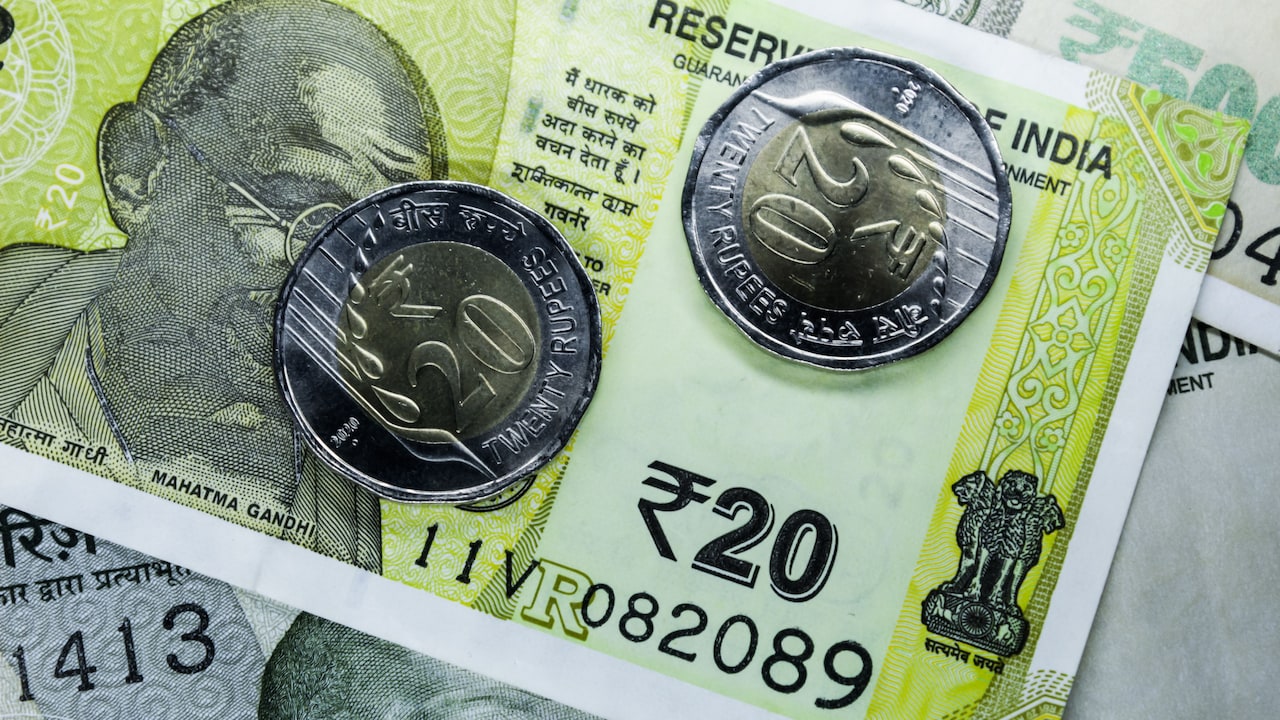
For the average retail investor, this dollar exposure is a double-edged sword. While the underlying assets may appreciate in value, the rupee's depreciation against the dollar can erode the returns. Since most investors earn and spend in rupees, a stronger dollar effectively reduces their purchasing power, turning potential gains into losses when converted back home.
Investors should closely monitor the Reserve Bank of India's policies and the overall health of the Indian rupee. As global economic conditions shift, the value of these foreign holdings will fluctuate. Keeping an eye on currency movements is now just as important as tracking the performance of the individual stocks or funds held.
Key takeaways
- Category: Forex.
- AI reads the tone as negative (potentially bearish) for the stock.
Why it matters
A routine update. The tone is negative — watch for downside reaction. Use the price and stock snapshot to gauge how the market is responding.