Neutral impactOrders & Deals
PRIM mutual fund route explained: How the new PMS option works, ₹25 lakh minimum investment and contract renewal rules
Mint 56 min ago·16 Oct 2026, 4:12 am

The Securities and Exchange Board of India (SEBI) has introduced a new PRIM (Portfolio Restructuring and Investment Management) route for Portfolio Management Services (PMS). This new framework lowers the minimum investment requirement from ₹50 lakh to ₹25 lakh, making this exclusive investment avenue more accessible to a wider range of investors. The PRIM route is designed to offer flexibility for restructuring existing portfolios, allowing managers to rebalance assets more efficiently than the traditional PMS model.
For investors, this change is significant as it reduces the barrier to entry for professional fund management. However, a key point of attention is the contract renewal rule. Under the new structure, renewing a PMS contract is treated as a fresh investment. This means that if an investor's portfolio value falls below the ₹25 lakh threshold due to market fluctuations, the contract may not automatically renew, requiring them to deposit fresh funds to continue the service.
Investors should monitor their portfolio performance closely. If the market value drops, they must ensure they have sufficient funds to meet the renewal requirement. It is advisable to consult with the PMS provider to understand the specific terms of the contract and plan accordingly to avoid any disruption to their investment strategy.
Excerpt from Mint
SEBI’s PRIM route lowers the minimum investment for portfolio management services to ₹ 25 lakh from ₹ 50 lakh under the conventional PMS route. But renewals are treated as fresh investments, raising questions about investors whose portfolios fall below the threshold. If you invest in mutual funds and ETFs, there is a…Read the original at Mint
Key takeaways
- Category: Orders & Deals.
Why it matters
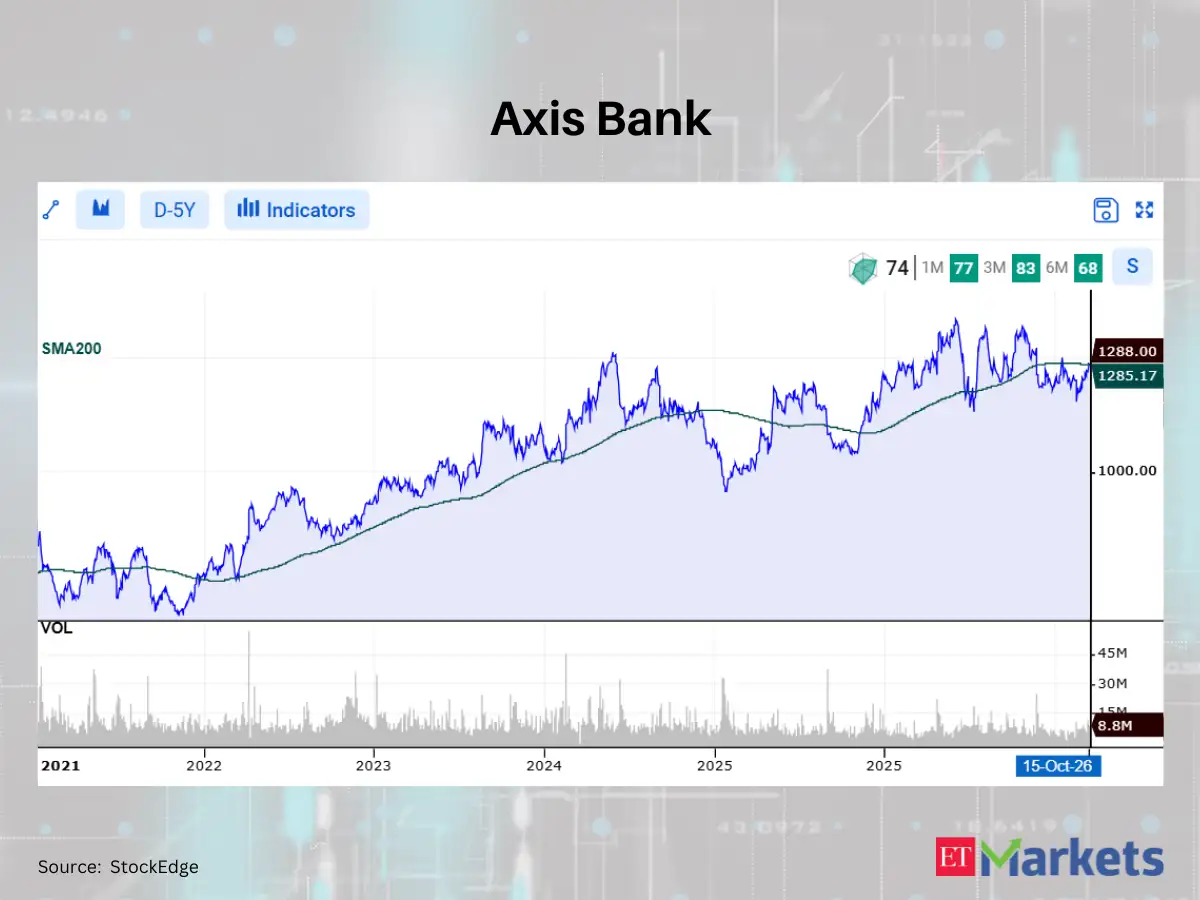
A routine update. Use the price and stock snapshot to gauge how the market is responding.