Negative impactEconomy
RBI drains out ₹25,000 cr liquidity via OMO sale of G-Secs
BusinessLine 1 hr ago·13 Oct 2026, 3:18 pm

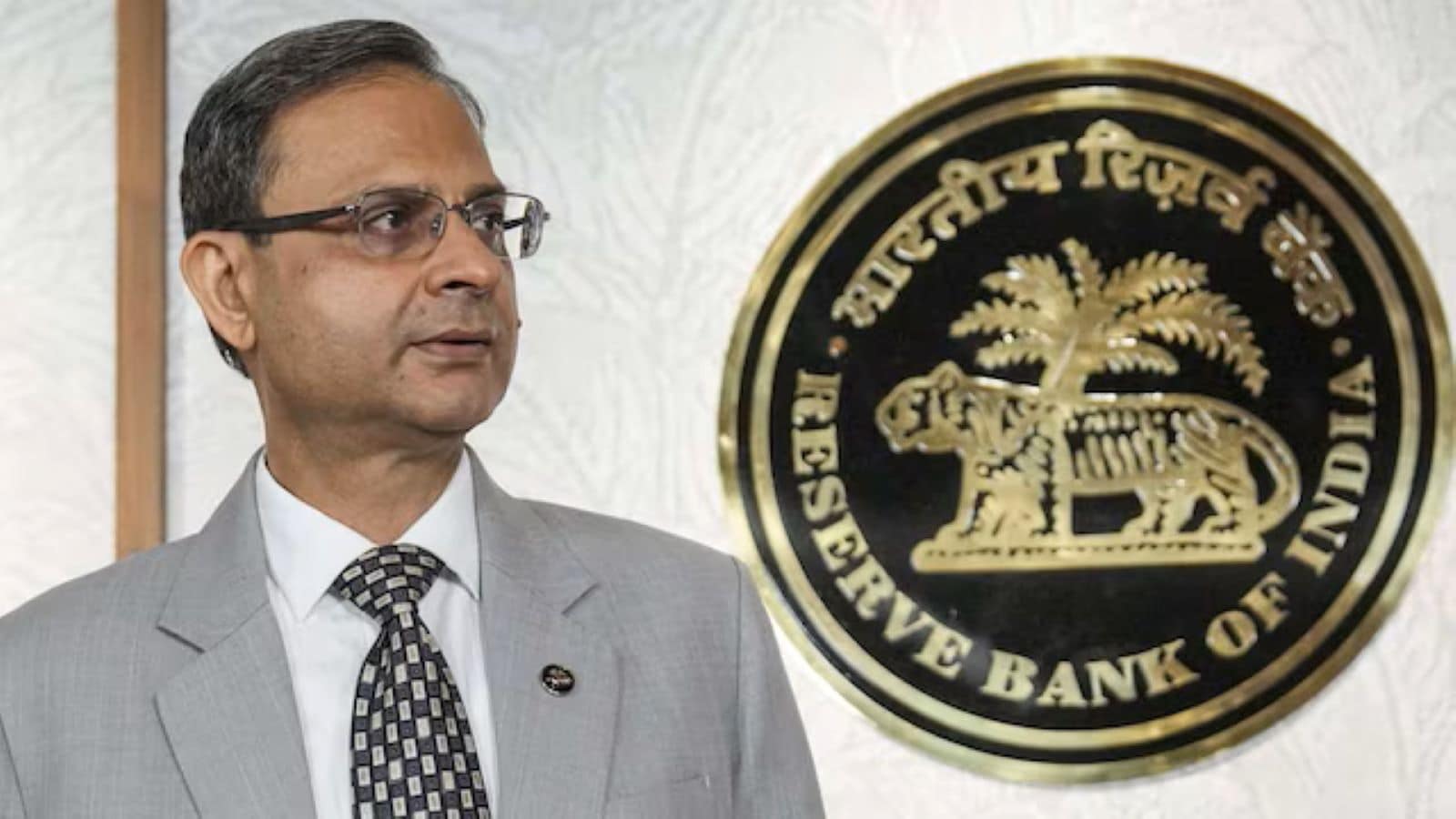
The Reserve Bank of India (RBI) has withdrawn ₹25,000 crore from the banking system by selling government securities. This open market operation (OMO) is designed to absorb excess funds, aiming to manage liquidity levels and curb inflationary pressures.
For investors, this move is significant as it tightens the money supply. A reduction in liquidity can lead to higher short-term interest rates, which may impact the cost of borrowing for companies and consumers. It also signals the central bank's intent to maintain a tight monetary stance.
Investors should watch for the RBI's future policy announcements and the resulting impact on bond yields and bank stock valuations. Keeping an eye on the repo rate and liquidity conditions will be crucial for understanding the broader market direction.
Excerpt from BusinessLine
The Reserve Bank of India (RBI) conducted an open market operation (OMO) sale of Government Securities (G-Secs) to absorb ₹25,000 crore from the banking system, which continues to remain in surplus. The banking system had a surplus liquidity of ₹3,35,901 crore as of October 12, 2026 and could impede transmission of…Read the original at BusinessLine
Key takeaways
- Category: Economy.
- AI reads the tone as negative (potentially bearish) for the stock.
- Assessed as a significant, market-relevant update.
Why it matters
A meaningful update worth tracking. The tone is negative — watch for downside reaction. Use the price and stock snapshot to gauge how the market is responding.