Negative impactEconomy
RBI Rate Hike: Can Your FD Beat Inflation After Tax?
NDTV Profit 1 hr ago·14 Oct 2026, 9:54 am

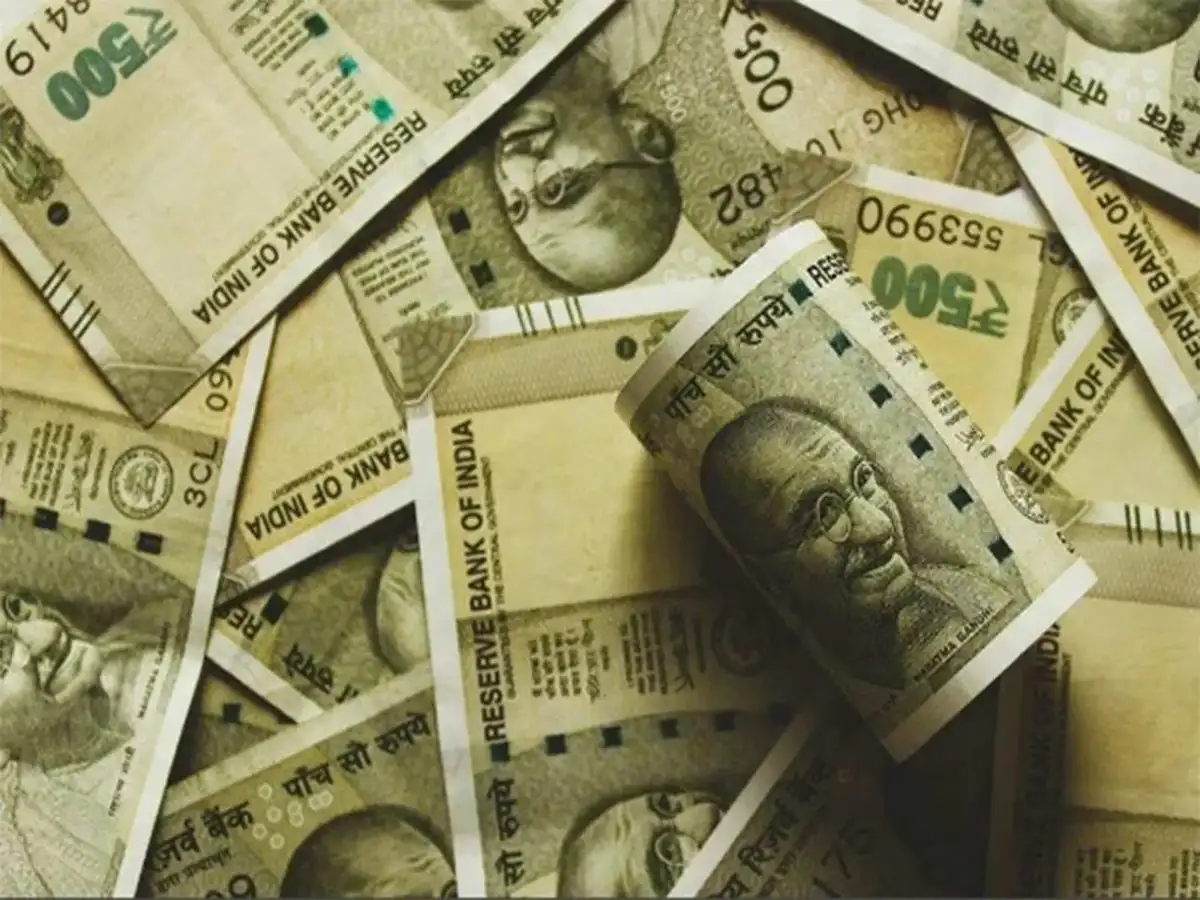
The Reserve Bank of India (RBI) has raised interest rates to combat rising inflation. This move directly impacts Fixed Deposits (FDs), which are popular for their safety and guaranteed returns. While the higher rates mean you earn more interest on your savings, the actual benefit depends on how much tax you pay on that income.
For retail investors, the key takeaway is that the real return on an FD is the interest earned minus the tax deducted at source (TDS). If the tax rate is high, the post-tax return might not keep pace with the rising cost of living. This makes it crucial to calculate the net gain after tax to understand if the investment truly preserves your purchasing power.
Investors should now look beyond FDs for better inflation protection. Assets like equities or debt mutual funds often offer higher post-tax returns over the long term, though they come with market risks. Keep an eye on future inflation trends and the RBI's policy stance to decide if your current fixed-income strategy is still the best fit for your financial goals.
Key takeaways
- Category: Economy.
- AI reads the tone as negative (potentially bearish) for the stock.
- Assessed as a significant, market-relevant update.
Why it matters
A meaningful update worth tracking. The tone is negative — watch for downside reaction. Use the price and stock snapshot to gauge how the market is responding.