RBI rate hike: Debt funds, equities, FDs or gold, which asset classes may benefit as the rate cycle turns? Expert view
Mint 49 min ago·7 Oct 2026, 9:19 am

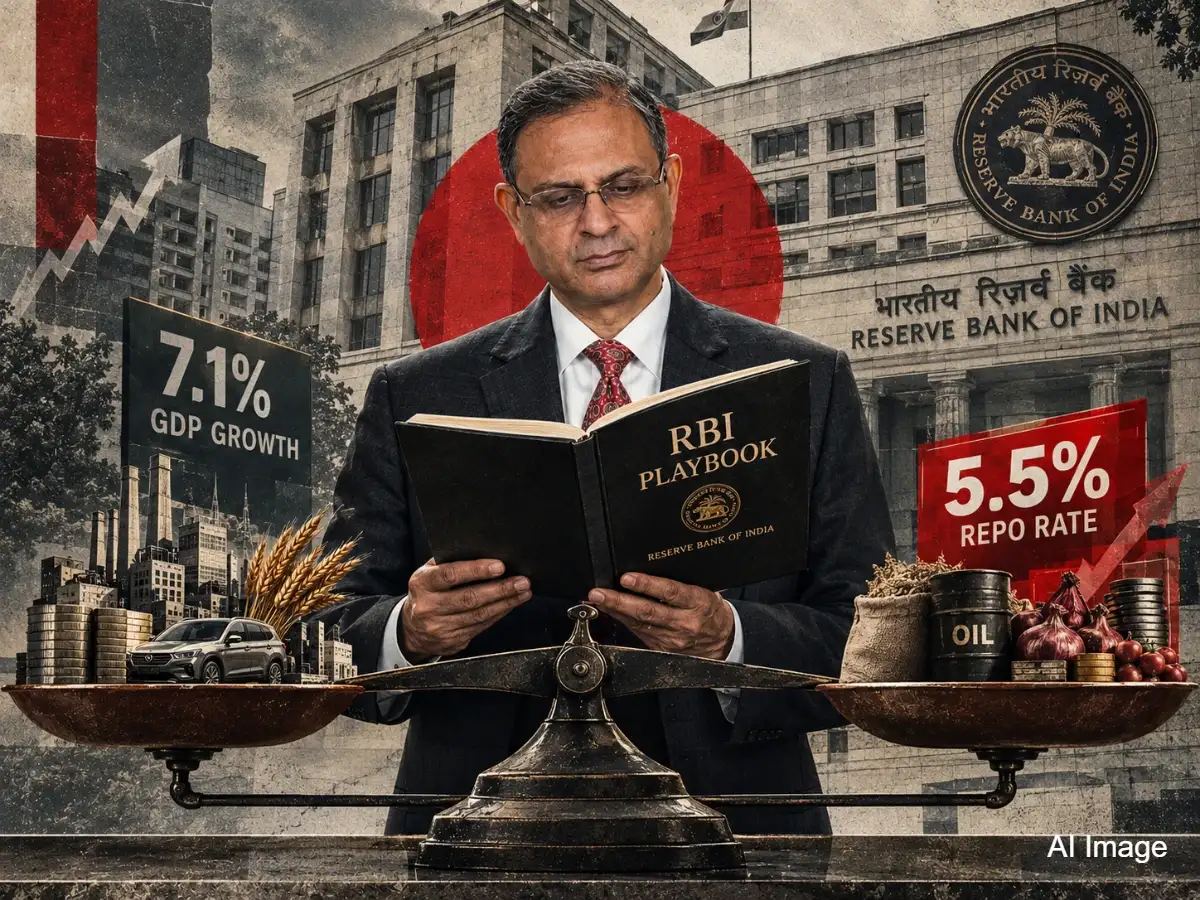
The Reserve Bank of India (RBI) has increased the repo rate by 25 basis points, a move that typically tightens liquidity and raises borrowing costs. This shift impacts various asset classes differently, altering the traditional investment landscape. While higher rates generally pressure bond prices, they can boost fixed deposit yields and alter the valuation of equities.
For debt fund investors, the immediate effect is often a dip in NAVs due to falling bond prices. However, as the rate cycle matures, newer debt funds may offer better returns. In equities, higher interest rates can increase the cost of capital, potentially pressuring valuations. Conversely, sectors like banking may see improved net interest margins. Gold, being a non-yielding asset, often faces headwinds in a rising rate environment.
Investors should review their portfolios to align with the new economic cycle. A staggered approach to rebalancing can help manage risks. Monitoring the central bank's future policy stance will be crucial to understanding the long-term trajectory of these asset classes.
Excerpt from Mint
RBI’s 25 bps repo rate hike could reshape returns across debt, equity, FDs and gold. Experts explain which asset classes may benefit, where investors could face pressure and how to position portfolios as the rate cycle turns. The Reserve Bank of India (RBI) has raised the repo rate by 25 basis points, signalling a…Read the original at Mint
Key takeaways
- Category: Economy.
- Flagged as a high-impact, market-moving story.
Why it matters
This is a high-impact development and could move the stock. Use the price and stock snapshot to gauge how the market is responding.