RBI Rate Hike Puts Pressure on Indian Markets as Oil Prices Surge
Bold News 7 hrs ago·8 Oct 2026, 5:45 am
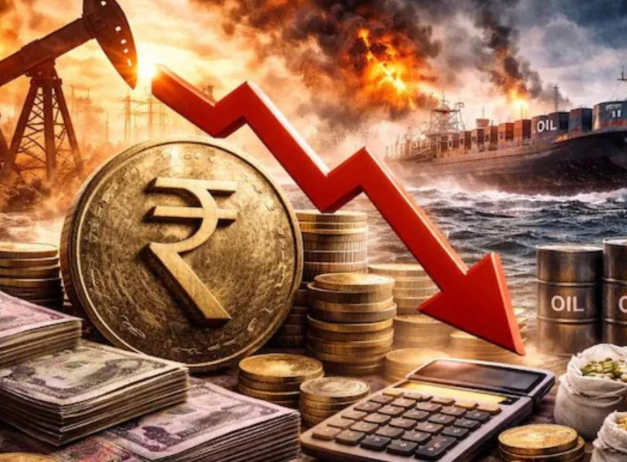
The Reserve Bank of India (RBI) has increased key interest rates to combat rising inflation, a move that typically makes borrowing more expensive for businesses and consumers. This policy shift comes at a difficult time, as global crude oil prices have surged, adding significant pressure on the country's import bill and widening the trade deficit. Consequently, the broader equity markets are facing headwinds as investors digest the combined impact of tighter monetary policy and higher energy costs.
For investors, this dual pressure creates a challenging environment where growth and inflation concerns often conflict. Higher interest rates can dampen corporate earnings by reducing consumer spending and business investment, while rising oil prices squeeze profit margins across various sectors. This scenario often leads to increased market volatility as investors reassess the risk-reward balance in the current economic climate.
Moving forward, market participants should closely monitor the government's response to the oil price shock and the RBI's future policy stance. If inflation remains sticky, further rate hikes could be on the cards, potentially weighing on stock valuations. Investors should focus on companies with strong balance sheets and those that can pass on rising input costs to maintain their margins.
Key takeaways
- Category: Economy.
- AI reads the tone as negative (potentially bearish) for the stock.
- Flagged as a high-impact, market-moving story.
Why it matters
This is a high-impact development and could move the stock. The tone is negative — watch for downside reaction. Use the price and stock snapshot to gauge how the market is responding.