RBI repo rate hike: How will the 25 bps increase affect your home-loan EMI? Experts explain
Mint 55 min ago·7 Oct 2026, 6:18 am

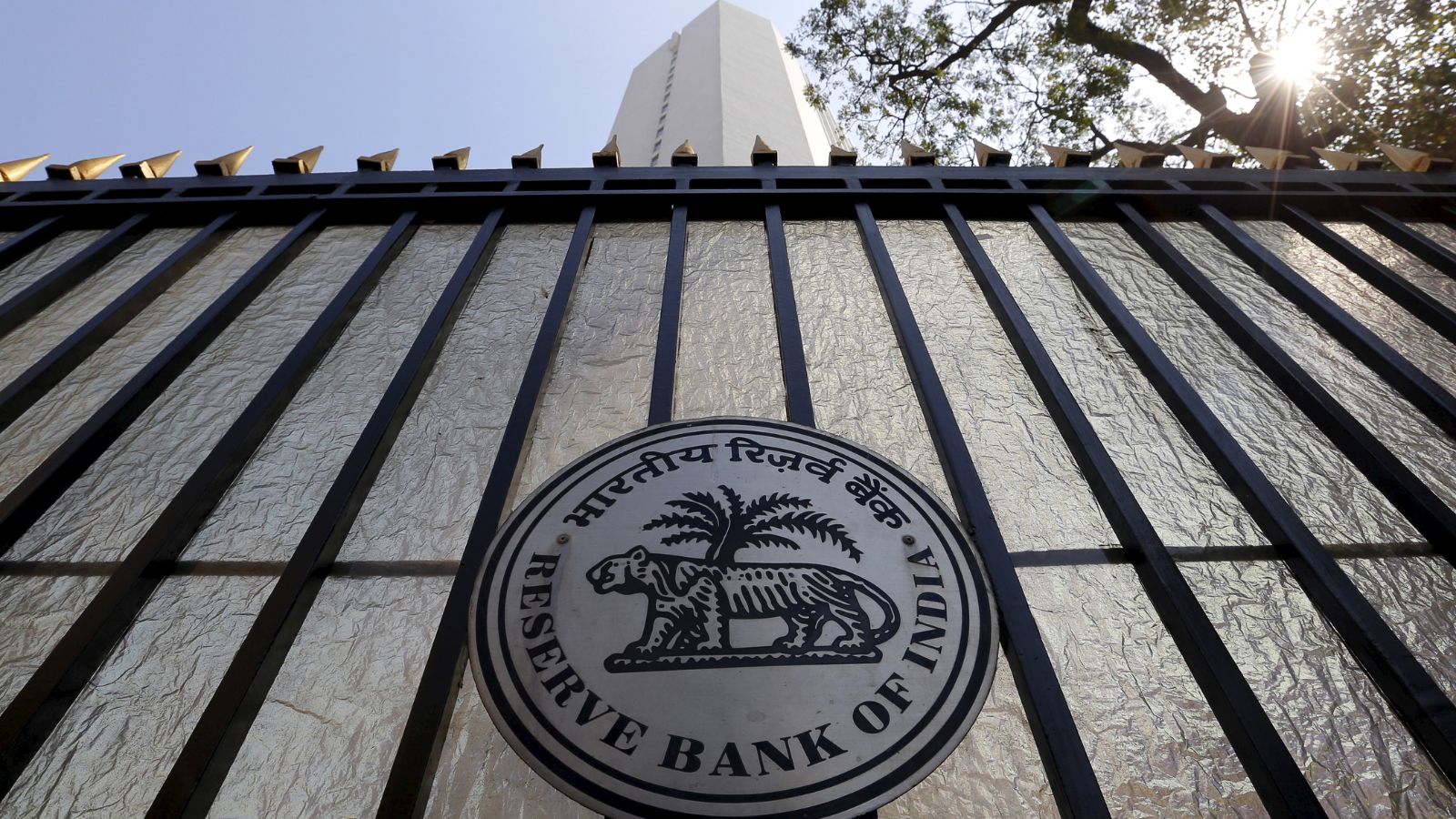
The Reserve Bank of India (RBI) has increased the repo rate by 25 basis points to 5.50%. This is the central bank's tool to control inflation, and it makes borrowing money more expensive for banks. Consequently, banks will likely raise interest rates on loans that are linked to external benchmarks, such as the repo rate itself.
For retail investors, this news signals a shift in the economic landscape. Higher interest rates generally cool down an overheating economy, which can be positive for long-term stability. However, it also means that new loans, including home loans, will become costlier for consumers.
What to watch next is how individual banks pass on this hike. While some may increase EMI amounts, others might offer longer loan tenures to keep monthly payments manageable. Investors should monitor the quarterly earnings reports of major banks to see how their net interest margins are affected by this rate change.
Excerpt from Mint
RBI has raised the repo rate by 25 bps to 5.50%, increasing borrowing costs for consumers with floating-rate loans linked to external benchmarks. Home-loan borrowers may see the hike reflected through higher EMIs, longer repayment tenures or both, depending on their lender’s mechanism. The Reserve Bank of India (RBI)…Read the original at Mint
Key takeaways
- Category: Economy.
- AI reads the tone as negative (potentially bearish) for the stock.
- Flagged as a high-impact, market-moving story.
Why it matters
This is a high-impact development and could move the stock. The tone is negative — watch for downside reaction. Use the price and stock snapshot to gauge how the market is responding.