Negative impactCommodity
RBI Repo Rate Hike: Will Gold Prices Fall After Rates Rise To 5.50%? What Investors Should Know
NDTV Profit 2 hrs ago·7 Oct 2026, 5:40 am
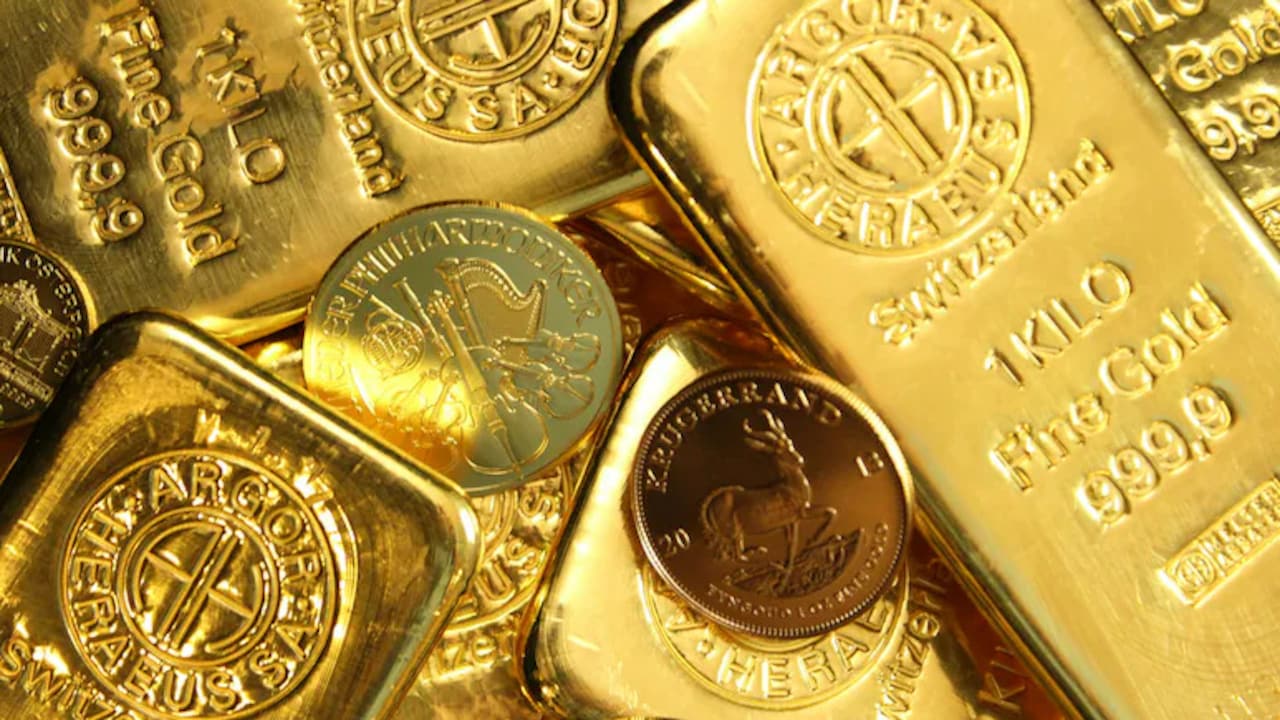
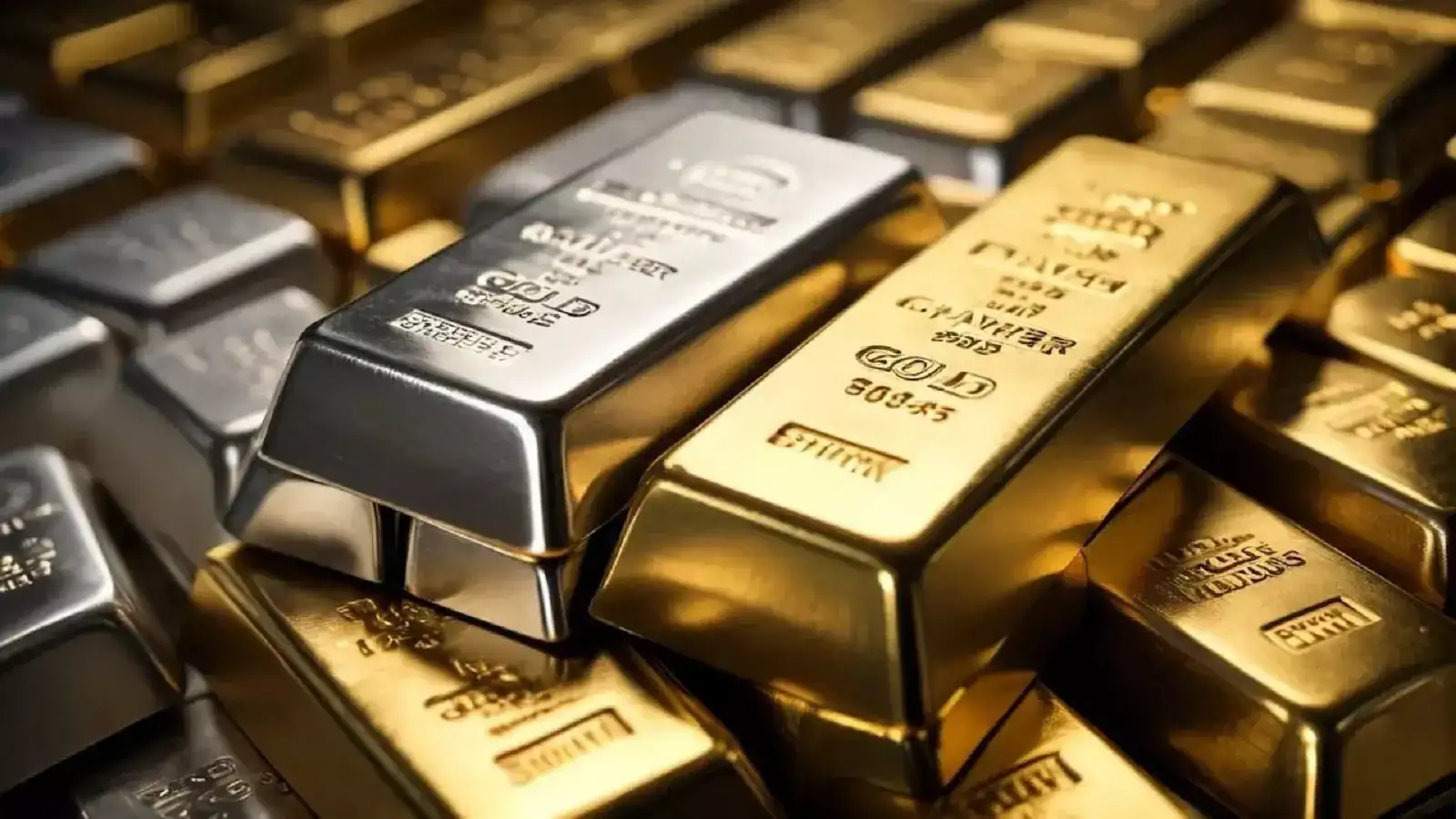
The Reserve Bank of India (RBI) has raised the repo rate to 5.50%, a move that typically increases borrowing costs across the economy. For investors, this hike is significant because higher interest rates often make fixed-income investments like bank deposits more attractive. Consequently, this can reduce the demand for gold, which does not offer any interest or dividend payments, potentially putting downward pressure on its price.
Gold is viewed as a hedge against inflation and market volatility, but its appeal weakens when interest rates rise. Investors may shift their funds from gold to interest-bearing assets to earn better returns. While gold is still considered a safe store of value, its performance in the near term will depend on how the market reacts to the new rate regime and global economic conditions.
Moving forward, investors should watch for any commentary from the RBI regarding future rate cuts. If the central bank signals that the current rate is a temporary peak, gold prices might stabilize. Additionally, global factors such as the US Federal Reserve's policies and the strength of the Indian Rupee will continue to play a crucial role in determining the gold market's trajectory.
Key takeaways
- Category: Commodity.
- AI reads the tone as negative (potentially bearish) for the stock.
- Assessed as a significant, market-relevant update.
Why it matters
A meaningful update worth tracking. The tone is negative — watch for downside reaction. Use the price and stock snapshot to gauge how the market is responding.