Neutral impactCorporate Action
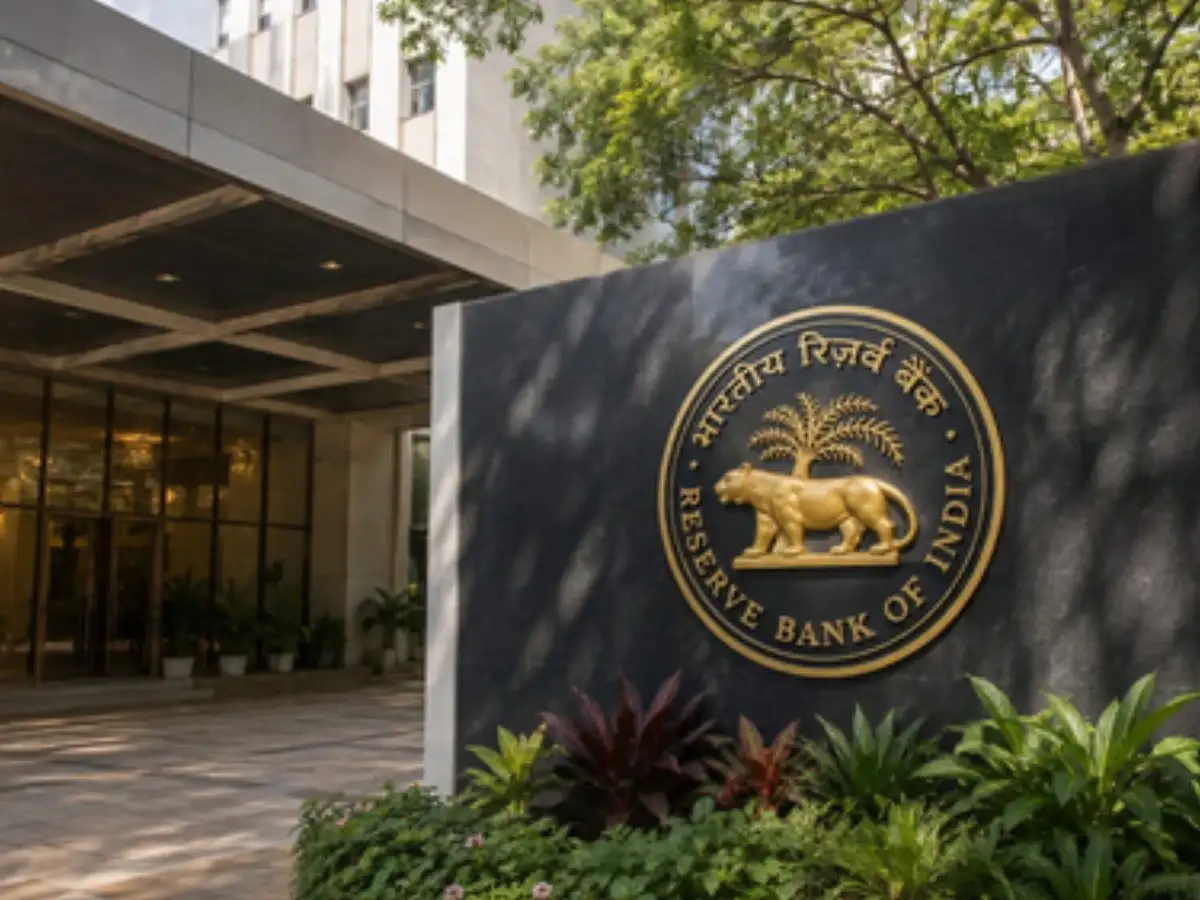
RBI updates leverage ratio framework for banks
BusinessLine 2 hrs ago·23 Oct 2026, 3:58 pm

The Reserve Bank of India has revised its leverage ratio framework for banks, a key metric that measures a bank's capital against its total exposure. This update clarifies the calculation method for the numerator, specifically how to treat various off-balance-sheet exposures, making the rules more precise and consistent with global standards.
For investors, this change is a positive step. It enhances transparency in how banks manage risk and capital, ensuring a more accurate picture of their financial health. This could lead to better-informed investment decisions, as the capital buffers of banks are now more clearly defined.
Investors should watch for the specific implementation details in the coming months. This includes how banks adjust their risk-weighted assets and whether this leads to any changes in lending behavior or capital allocation strategies.
Excerpt from BusinessLine
Domestic systemically important banks (D-SIBs) and other domestic commercial banks must maintain a minimum leverage ratio of 4 per cent and 3.5 per cent, respectively, as per RBI’s updated leverage ratio framework. The aforementioned reserve norms, prescribed in RBI (Commercial Banks – Prudential Norms on Capital…Read the original at BusinessLine
Key takeaways
- Category: Corporate Action.
- Assessed as a significant, market-relevant update.
Why it matters
A meaningful update worth tracking. Use the price and stock snapshot to gauge how the market is responding.