Removing LTCG: Will it be the magical solution stock markets are looking for?
Times of India 3 hrs ago·3 Nov 2026, 1:47 pm

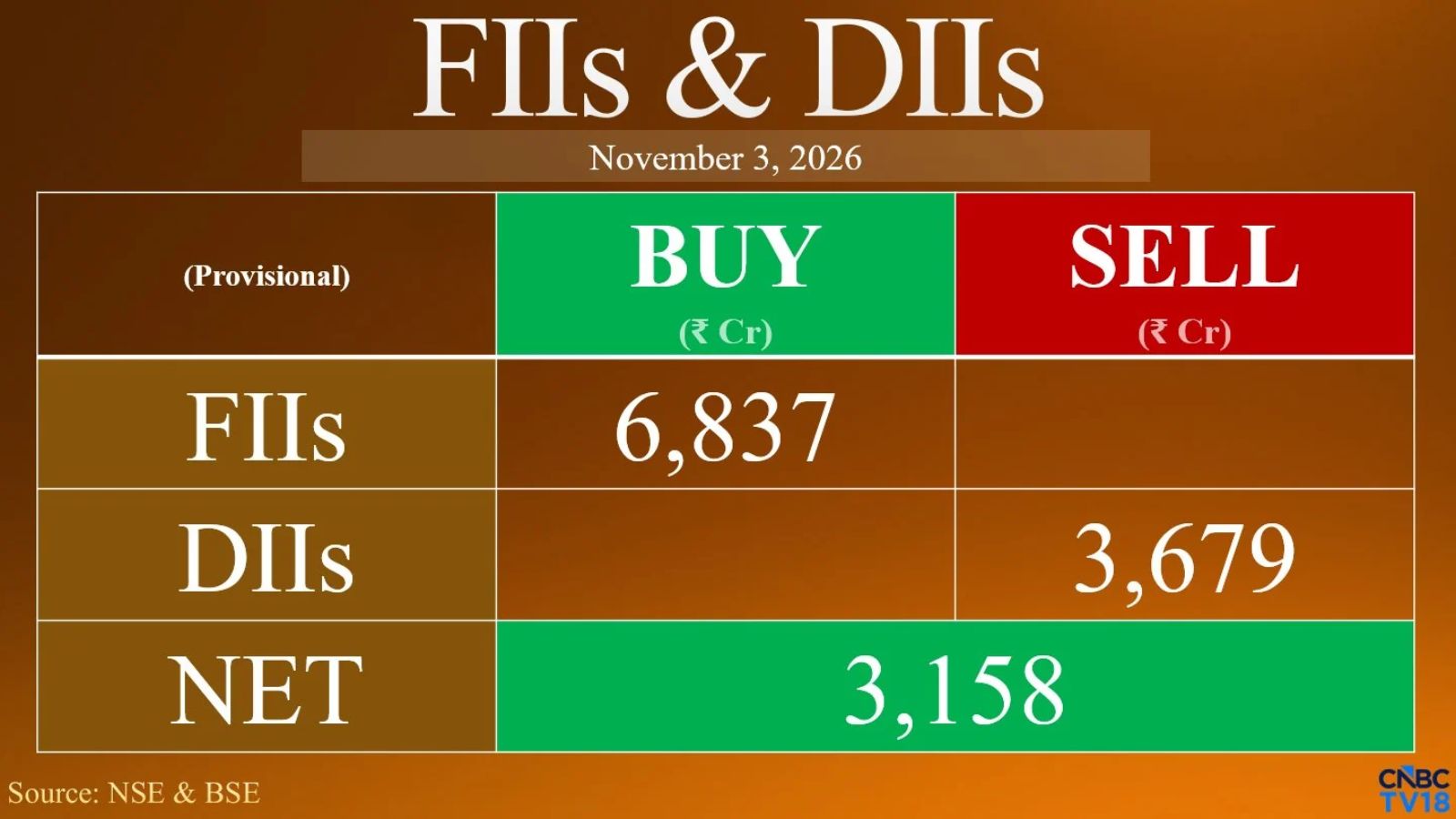
The Indian stock market is currently facing its worst annual performance in over a decade, with major indices like the Nifty50 and Sensex trading deep in the red. This decline stands in sharp contrast to the broader Emerging Markets, which have seen a significant jump of 40% over the last two years. This divergence suggests that foreign investors are actively rotating capital out of India and into other markets, contributing to the domestic sell-off.
A key point of contention for investors is the proposed removal of the Long-Term Capital Gains (LTCG) tax on equity investments. Proponents argue that this tax, currently levied on gains exceeding ₹1 lakh, is a deterrent for foreign portfolio investors and could help stem the outflow of funds. However, the government has not yet confirmed any such move, and the market remains skeptical of whether this single policy change will be enough to reverse the current trend.
Investors should watch for official statements from the finance ministry and the upcoming Union Budget. While the removal of the LTCG tax is a popular demand, it is only one factor among many that influence market sentiment. It is crucial to look at broader economic indicators and global liquidity conditions to understand the true drivers of the market's current volatility.
Excerpt from Times of India
Will removing LTCG tax be the silver bullet to get foreign investors back? What is LTCG and how does it work? The case for removing LTCG Will reducing or removing LTCG make Indian stock markets more attractive? Abolition or rationalisation of LTCG could provide a meaningful sentiment boost by improving post-tax equity…Read the original at Times of India
Key takeaways
- Category: Economy.
- AI reads the tone as negative (potentially bearish) for the stock.
- Flagged as a high-impact, market-moving story.
Why it matters
This is a high-impact development and could move the stock. The tone is negative — watch for downside reaction. Use the price and stock snapshot to gauge how the market is responding.