Retail inflation at almost 2-year high at 5.54% in September, driven by food prices surge
Times of India 2 hrs ago·12 Oct 2026, 11:20 am
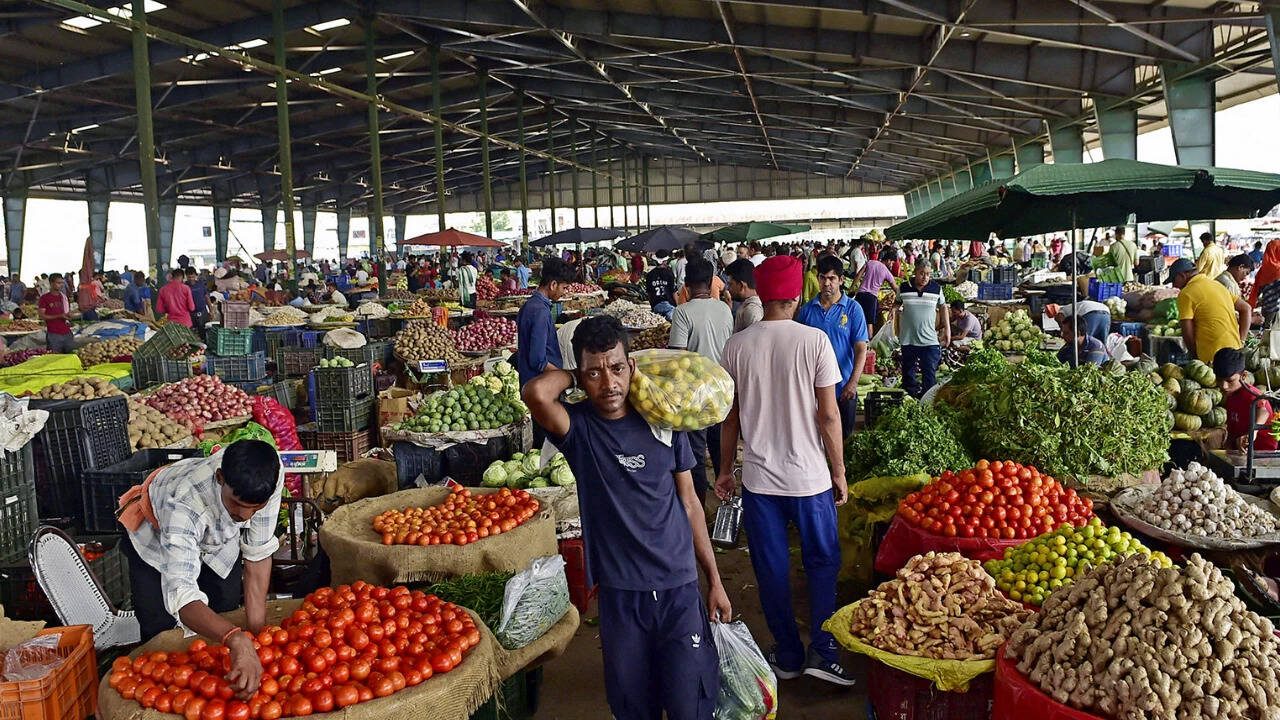
India's retail inflation rate rose to 5.54% in September, reaching its highest level in nearly two years. This increase was primarily driven by a significant surge in food prices, which climbed to 7.74%. While the price of onions saw a sharp rise, other staples like potatoes and tomatoes experienced a decline. The data suggests that the cost of living is becoming a more pressing concern for households across the country.
For investors, this development is significant as it signals that the Reserve Bank of India (RBI) may face pressure to maintain a hawkish stance on interest rates. Higher inflation typically leads to tighter monetary policy, which can impact the valuation of equities, particularly those in the consumption and banking sectors. Investors should keep a close watch on the RBI's upcoming policy decisions to gauge the market's reaction to these inflationary trends.
Moving forward, the key focus will be on the trajectory of food prices and the central bank's response. If inflation remains sticky, it could lead to prolonged higher interest rates. Market participants should monitor the government's interventions in the food supply chain and the RBI's commentary to understand the potential impact on market liquidity and growth prospects.
Key takeaways
- Category: Economy.
- AI reads the tone as negative (potentially bearish) for the stock.
- Flagged as a high-impact, market-moving story.
Why it matters
This is a high-impact development and could move the stock. The tone is negative — watch for downside reaction. Use the price and stock snapshot to gauge how the market is responding.