Neutral impactCommodity
Return of Middle East oil: Has Iran lost control of Hormuz & why are crude prices still up?
Times of India 1 hr ago·16 Oct 2026, 1:34 pm
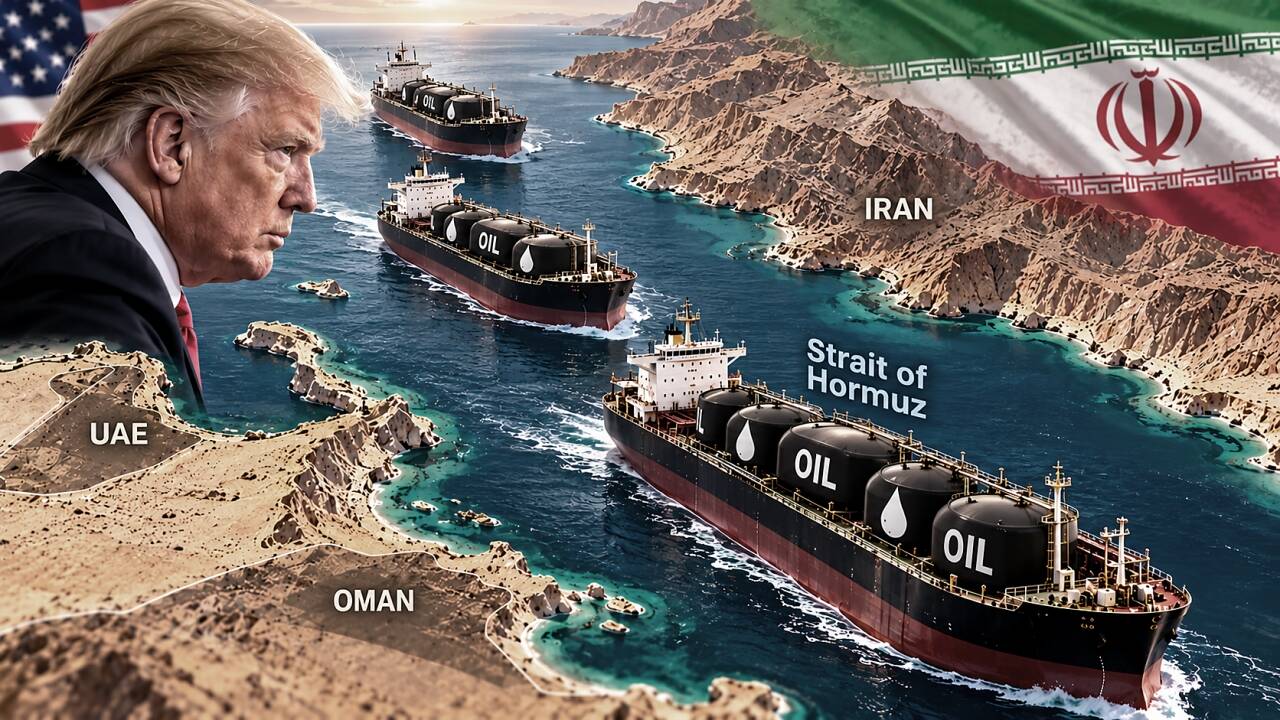
Recent tensions between the US and Iran have raised fears that Tehran could block the Strait of Hormuz, a vital chokepoint for global oil trade. However, recent data suggests Iran may not have the full capability to sever these vital maritime links. September tracking data indicates that oil exports from the Middle East have recovered to an average of 16 million barrels per day, the highest level since the conflict began.
This recovery matters to investors because it suggests that global energy supply chains remain resilient despite geopolitical risks. While the market remains volatile, the continued flow of oil indicates that the Strait of Hormuz is not yet effectively closed.
Investors should watch for updates on shipping insurance rates and any further diplomatic developments. A sustained drop in oil exports would be a major red flag for the energy sector, whereas steady flows suggest the market is pricing in a temporary disruption rather than a long-term supply shock.
Key takeaways
- Category: Commodity.
- Assessed as a significant, market-relevant update.
Why it matters
A meaningful update worth tracking. Use the price and stock snapshot to gauge how the market is responding.