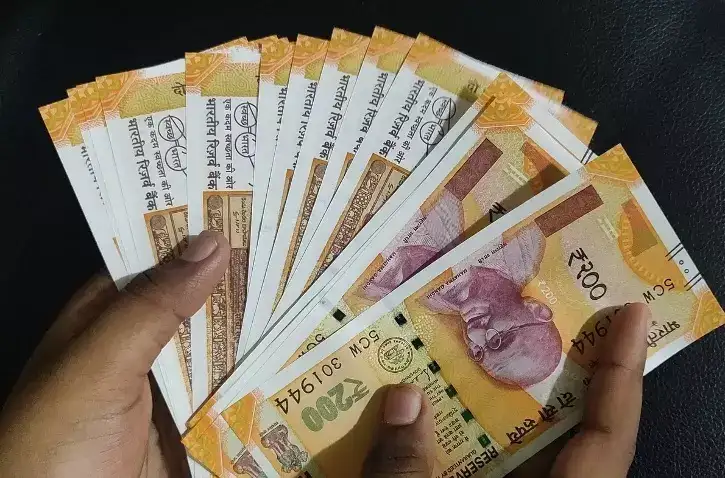
Rupee hits two-month low, slips past 96 | What does it mean for the Indian stock market?
Mint 2 hrs ago·29 Sept 2026, 10:59 am

The Indian rupee has weakened to a two-month low, crossing the 96 per dollar mark. This decline is driven by rising global oil prices and a continued pullback by foreign investors from domestic markets. As the currency loses value, it makes imports more expensive, which can feed into higher inflation and increase the cost of fuel and other commodities for the economy.
For investors, a weaker rupee can boost the earnings of export-oriented companies, but it simultaneously hurts the bottom lines of firms that rely heavily on imported raw materials. The Reserve Bank of India (RBI) has signaled that it may intervene to stabilize the currency, but persistent global headwinds could keep volatility high in the near term.
Investors should watch for updates on global crude oil prices and the RBI's future policy actions. A sharp rise in oil costs could further pressure the rupee, while sustained foreign inflows could provide support. Keeping an eye on the current account deficit is also crucial for gauging the long-term stability of the currency.
Excerpt from Mint
The Indian rupee fell to ₹ 96.1475 per dollar, a two-month low, due to rising oil prices and foreign investor outflows. Anticipated RBI interventions may stabilize the currency, but persistent oil price concerns could widen India's current account deficit and apply further pressure on the rupee. The Indian rupee…Read the original at Mint
Key takeaways
- Category: Forex.
- AI reads the tone as negative (potentially bearish) for the stock.
- Flagged as a high-impact, market-moving story.
Why it matters
This is a high-impact development and could move the stock. The tone is negative — watch for downside reaction. Use the price and stock snapshot to gauge how the market is responding.