Neutral impactSector
SC suggests Sarfaesi Act update for clarity on creditors' priority
Economic Times 7 hrs ago·26 Nov 2026, 7:50 pm

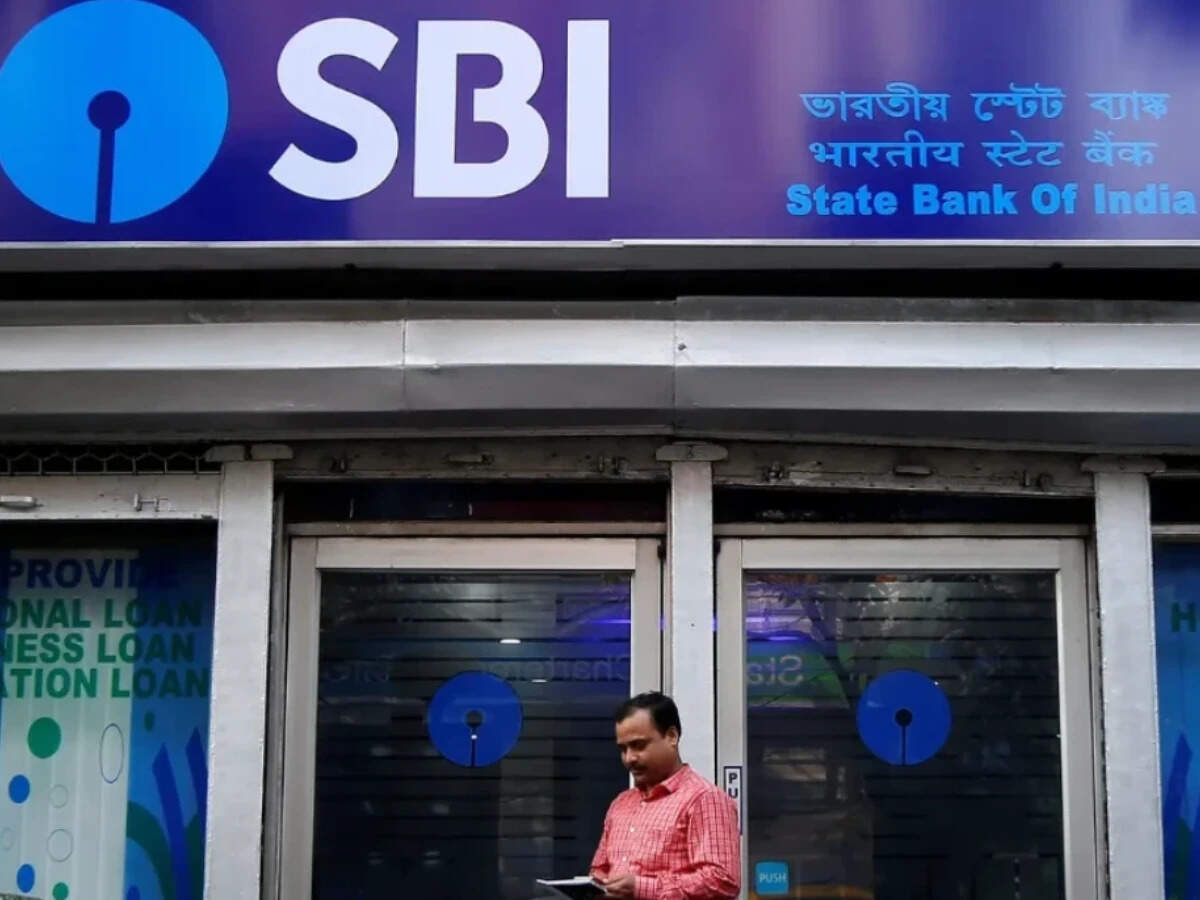
The Supreme Court has suggested that Parliament update the Sarfaesi Act to clarify the priority of claims between secured creditors and depositors. This recommendation follows a recent legal dispute where the court granted interim relief to the State Bank of India (SBI), highlighting the uncertainty currently faced by banks in recovering dues. The court noted that the existing legal framework has led to prolonged litigation, making it difficult for financial institutions to enforce security interests without facing challenges from depositors.
This clarification matters to investors as it addresses a long-standing issue in the banking sector regarding the enforcement of security interests. A clearer legal framework could potentially streamline the recovery process for banks, reducing the time and cost associated with legal battles. For SBI, this could mean a more predictable environment for managing non-performing assets and recovering loans.
Investors should watch for any legislative proposals or amendments to the Sarfaesi Act in the upcoming parliamentary sessions. Additionally, keeping an eye on the court's final verdict in the ongoing case will be crucial. These developments could set a precedent for how similar disputes are resolved in the future, impacting the overall recovery efficiency for public sector banks.
Excerpt from Economic Times
SC suggests Sarfaesi Act update for clarity on creditors' priority SC suggests Sarfaesi Act update for clarity on creditors' priority The Supreme Court has suggested that Parliament amend the Sarfaesi Act for better creditor recovery clarity. This recommendation comes as a response to ongoing conflicts with the…Read the original at Economic Times
Affected stocks
Neutral1 stockBull / bear label is derived from the article's AI sentiment — indicative, not advice. Prices may be delayed.
Key takeaways
- Concerns State Bank of India (SBIN).
- Category: Sector.
Why it matters
A routine update for State Bank of India. Use the price and stock snapshot to gauge how the market is responding.