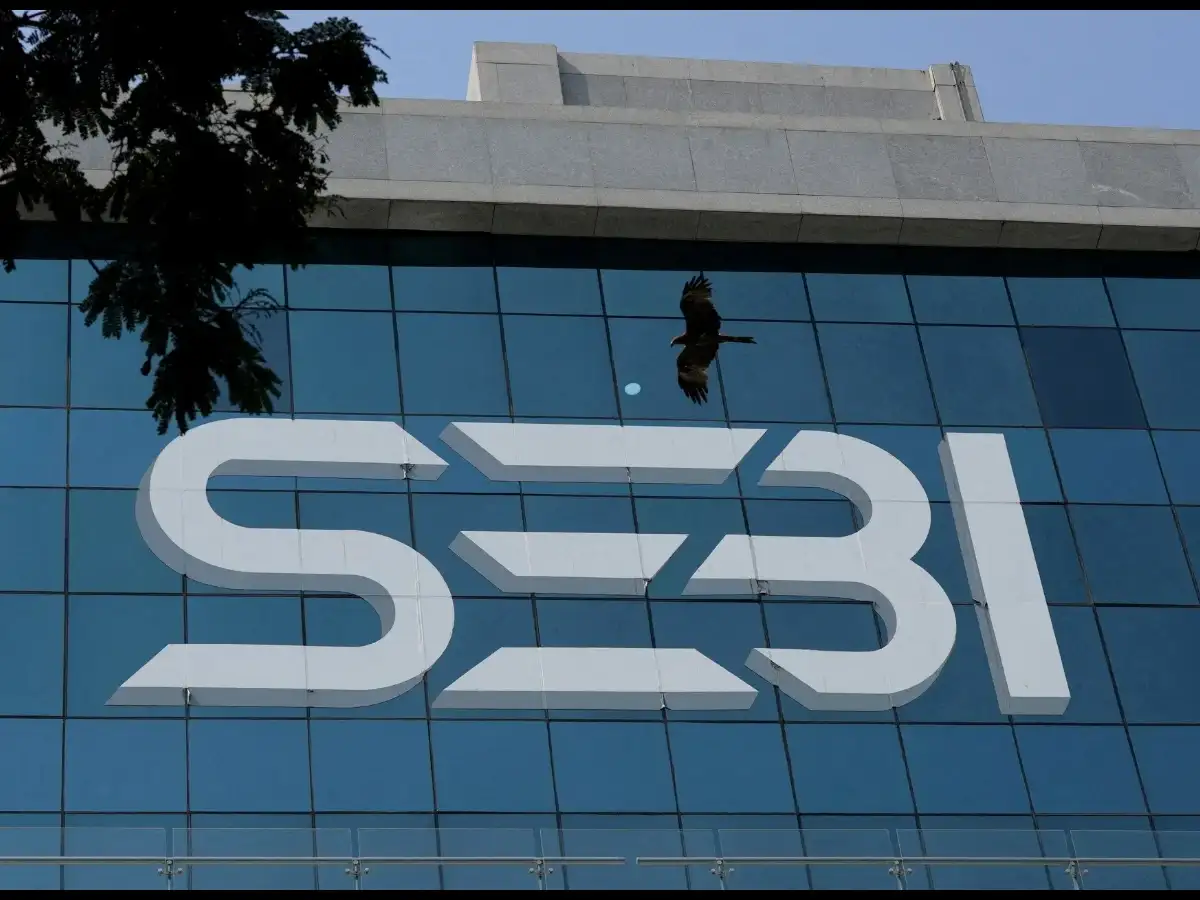
SEBI proposes shorter DR drills, stronger resilience norms for market infrastructure institutions
BusinessLine 1 hr ago·15 Sept 2026, 1:17 pm

SEBI has introduced new regulations to strengthen the resilience of India's market infrastructure institutions (MIIs), including stock exchanges, clearing corporations, and depositories. The proposed changes focus on updating their business continuity plans (BCPs) and disaster recovery frameworks. The regulator aims to ensure that these critical financial intermediaries can continue operating smoothly even during significant disruptions, such as natural disasters or cyber-attacks.
For investors, this move is a positive development as it reinforces the stability of the trading ecosystem. A robust BCP minimizes the risk of trading halts or operational failures, which can otherwise lead to market volatility. By mandating stricter resilience norms, SEBI is working to protect the integrity of the markets and maintain investor confidence in the long run.
Investors should monitor how these proposals are implemented. The focus will be on the speed of recovery and the ability of MIIs to adapt to new risks. While the rules are designed to prevent disruptions, their success depends on strict adherence and regular testing of the new systems.
Excerpt from BusinessLine
Capital markets regulator SEBI on Tuesday proposed shortening disaster recovery (DR) drills for market infrastructure institutions (MIIs) to at least four hours from the existing requirement of a full trading day, while seeking to strengthen operational resilience and data recovery mechanisms. The proposals are aimed…Read the original at BusinessLine
Affected stocks
Bullish1 stock
Bull / bear label is derived from the article's AI sentiment — indicative, not advice. Prices may be delayed.
Key takeaways
- Concerns B.C. Power Controls (BCP).
- Category: Economy.
- AI reads the tone as positive (potentially bullish) for the stock.
- Flagged as a high-impact, market-moving story.
Why it matters
This is a high-impact development for B.C. Power Controls and could move the stock. The tone is positive — historically associated with upward pressure, though not predictive. Use the price and stock snapshot to gauge how the market is responding.