Negative impactSector
SEBI's closing auction mechanism needs a rethink, market experts say
CNBC-TV18 1 hr ago·31 Aug 2026, 3:54 am
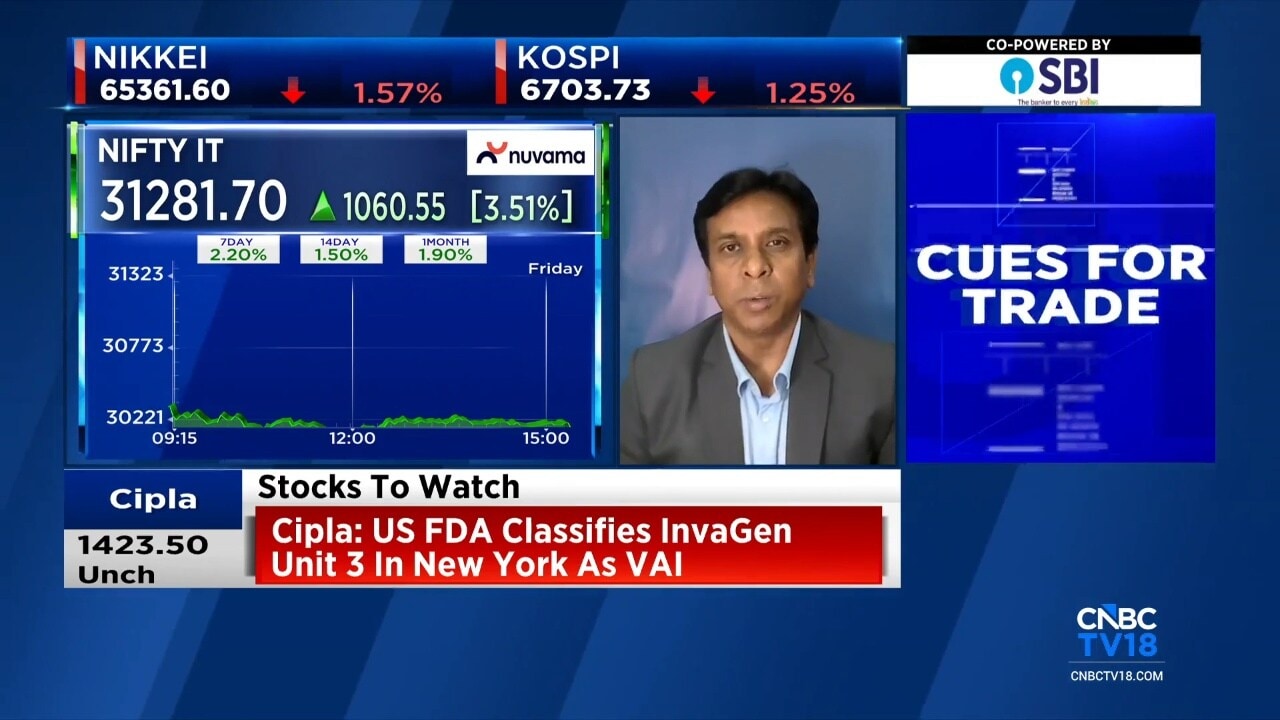
The Securities and Exchange Board of India (SEBI) recently introduced a new closing auction session to improve price discovery, but market experts are questioning its readiness. The mechanism, which determines the closing price of stocks, has faced criticism for causing significant volatility, with the BSE Sensex swinging by over 2,000 points on an expiry day. Experts Rohit Srivastava and Chandan Taparia have suggested that a broker-readiness timeline is needed before the session can be continued effectively.
This development is significant for investors as it highlights the challenges in implementing new market structures. The proposed timeline aims to ensure that brokers are adequately prepared to handle the auction mechanism, which could reduce the risk of erratic price movements. However, SEBI's chairman has ruled out a rollback, indicating that the regulator is committed to the new system despite the initial hiccups.
Investors should watch for further guidance from SEBI and the exchanges on the implementation of the broker-readiness timeline. The success of the closing auction mechanism will depend on how well it is integrated into the existing market infrastructure and the extent to which it stabilizes price discovery during the closing session.
Key takeaways
- Category: Sector.
- AI reads the tone as negative (potentially bearish) for the stock.
- Assessed as a significant, market-relevant update.
Why it matters
A meaningful update worth tracking. The tone is negative — watch for downside reaction. Use the price and stock snapshot to gauge how the market is responding.