Shriram Finance to Replace Trent in BSE Sensex Index Starting Dec 2026
Asianet Newsable 23 hrs ago·20 Nov 2026, 2:30 pm
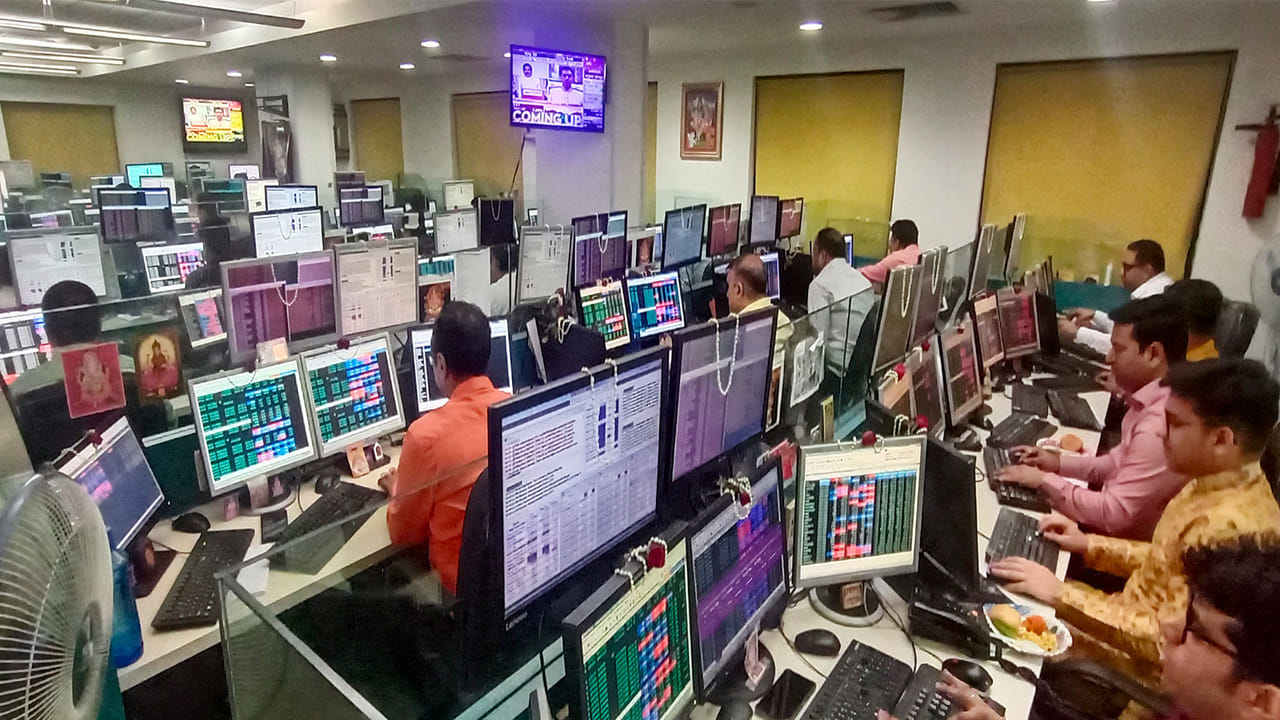
Shriram Finance is set to replace Trent in the BSE Sensex index, a major benchmark for the Indian stock market. This change will take effect starting in December 2026, marking a significant shift in the composition of the index. The Sensex tracks the performance of the top 30 companies listed on the Bombay Stock Exchange, and its constituents are reviewed periodically to reflect the current state of the economy.
This move is important for investors because the Sensex is widely followed by domestic and international funds. When a stock enters the index, it often attracts more investment, which can boost its price. Conversely, when a stock exits, it may lose some demand. For Shriram Finance, inclusion signals strong market confidence in its business model and long-term growth prospects.
Investors should watch for the official announcement of the review cycle and the exact date of the change. They should also monitor how the stock performs in the months leading up to the switch. While index changes can create short-term volatility, they are generally viewed as a neutral event for the long-term health of the company.
Excerpt from Asianet Newsable
Shriram Finance will replace Trent Limited in the BSE Sensex starting December 21, 2026. The move follows an official announcement from BSE Index Services, marking a significant change in the 30-share benchmark index composition. Shriram Finance Limited will replace Trent Limited in the benchmark BSE Sensex index from…Read the original at Asianet Newsable
Affected stocks
Bullish1 stockBull / bear label is derived from the article's AI sentiment — indicative, not advice. Prices may be delayed.
Key takeaways
- Concerns Shriram Finance (SHRIRAMFIN).
- Category: Stocks.
- AI reads the tone as positive (potentially bullish) for the stock.
- Flagged as a high-impact, market-moving story.
Why it matters
This is a high-impact development for Shriram Finance and could move the stock. The tone is positive — historically associated with upward pressure, though not predictive. Use the price and stock snapshot to gauge how the market is responding.