Negative impactResults
Tata consumer Q2 net profit up despite higher costs, weak tea demand
Economic Times 1 hr ago·27 Oct 2026, 1:56 am
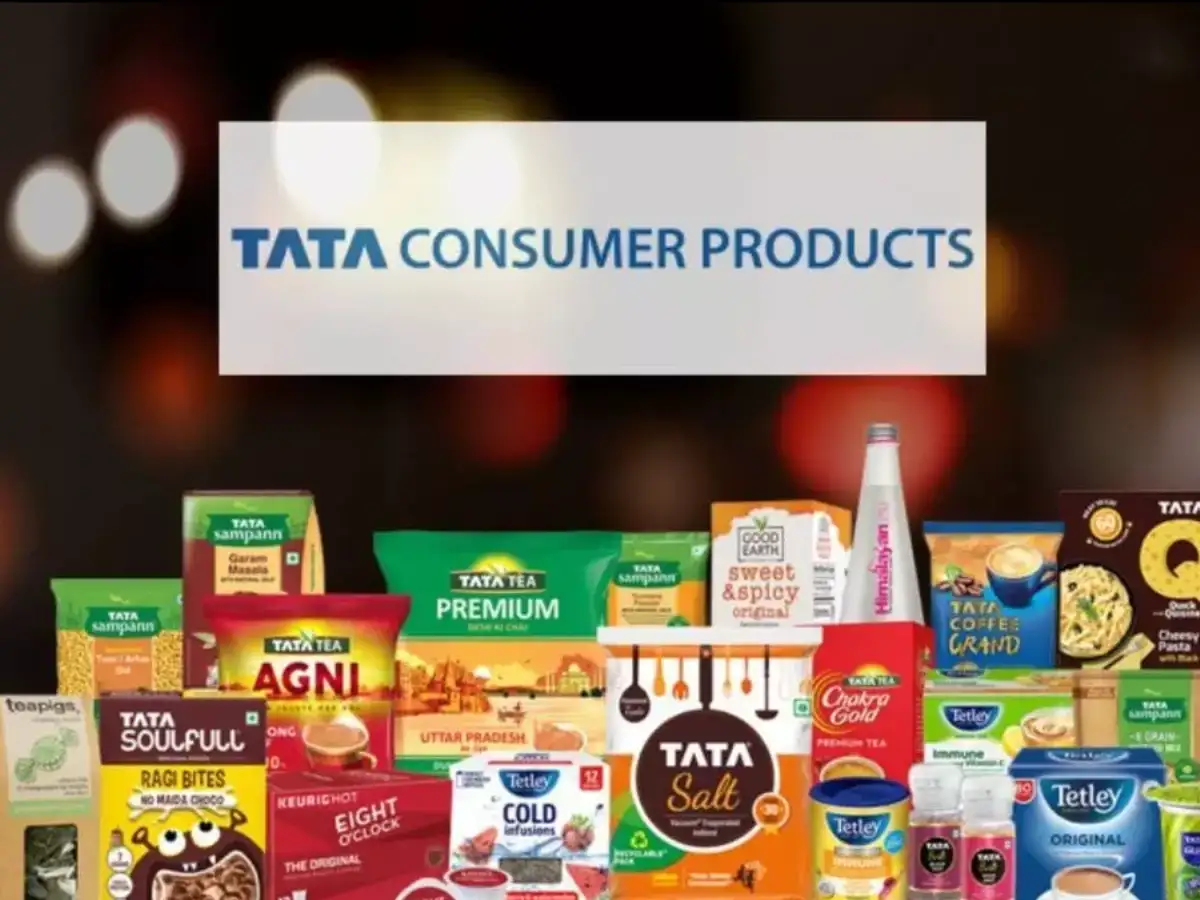
Tata Consumer Products reported a rise in net profit for the September quarter, but the results were mixed. The company faced headwinds in its core tea business, where volumes remained flat and revenue declined due to weak consumer demand and higher commodity costs. However, the company managed to offset some of these losses through its salt business, which saw growth driven by volume expansion and price increases. International revenue also held steady, even as the UK market faced challenges due to adverse weather conditions.
For investors, this quarter highlights a shift in the company's growth strategy. While the tea segment faces near-term pressure, the success of the salt business suggests that Tata Consumer is leveraging its diverse portfolio to navigate market volatility. The steady international performance provides a cushion against domestic slowdowns.
Moving forward, the focus will be on whether the company can sustain the momentum in its salt and international segments. Investors should also monitor if the tea business can recover as demand normalizes and commodity prices stabilize. The company's ability to balance growth across its diverse product lines will be key to its long-term performance.
Excerpt from Economic Times
Tata Consumer Products encountered unchanged tea volumes and decreasing revenue in the September quarter as weak demand and surging commodity costs took their toll. To counter this, the company emphasized its salt business, which saw significant revenue increases driven by volume growth and price hikes. Meanwhile,…Read the original at Economic Times
Affected stocks
Bearish1 stock
Bull / bear label is derived from the article's AI sentiment — indicative, not advice. Prices may be delayed.
Key takeaways
- Concerns Tata Consumer Products (TATACONSUM).
- Category: Results.
- AI reads the tone as negative (potentially bearish) for the stock.
Why it matters
A routine update for Tata Consumer Products. The tone is negative — watch for downside reaction. Use the price and stock snapshot to gauge how the market is responding.