Negative impactSector
Thailand Moves To Tax Imported EVs More Than Local Models
NDTV Profit 1 hr ago·10 Sept 2026, 5:53 pm
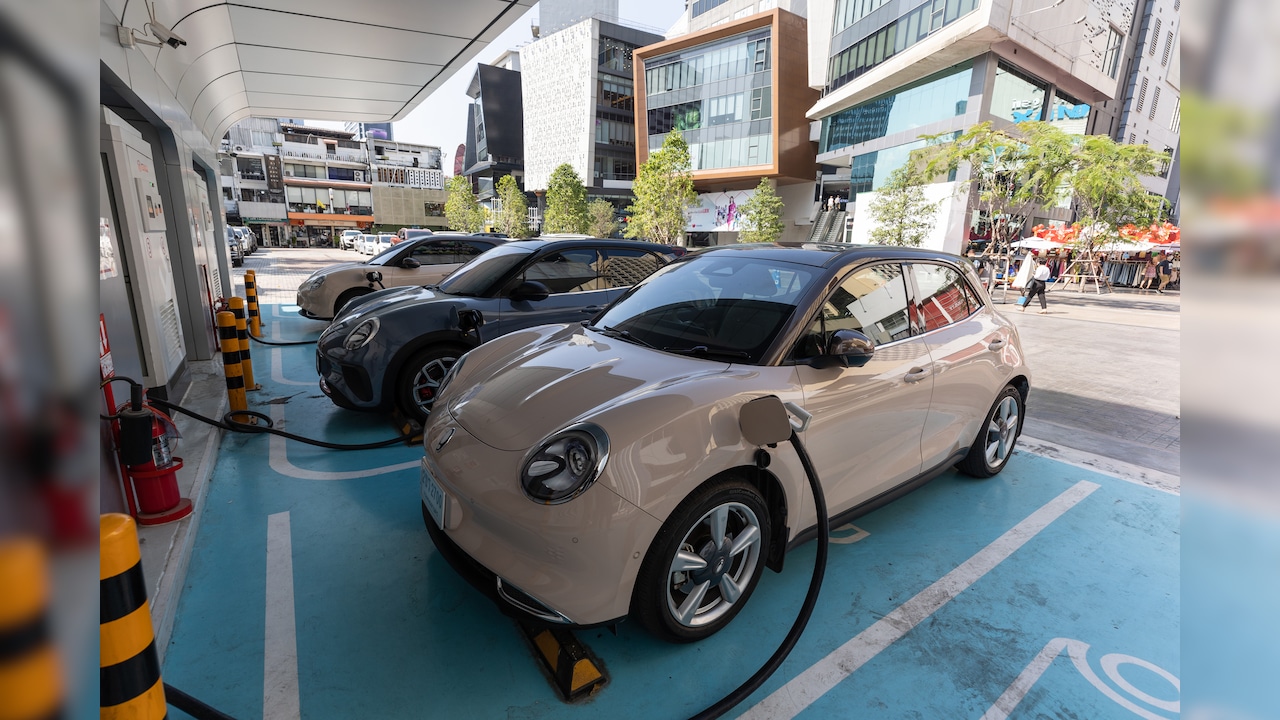
Thailand's government has announced a new tax policy that will impose significantly higher excise duties on imported electric vehicles (EVs) compared to those manufactured locally. This move is designed to make foreign models more expensive and incentivize automakers to set up production facilities within the country. The policy aims to boost the domestic supply chain by rewarding companies that increase their use of locally sourced parts and deepen their manufacturing footprint in Thailand.
For investors, this policy shift is a major development for the broader automotive sector. It signals a strong push by the Thai government to become a regional hub for EV manufacturing. This could lead to increased business activity and partnerships for local suppliers and assembly plants. However, it may also make it harder for foreign brands to compete in the Thai market, potentially altering the competitive landscape.
Investors should monitor how global automakers respond to these new tax rules. Companies with existing local production bases or strong partnerships in Thailand are likely to benefit from this preferential treatment. Conversely, firms that rely heavily on imports may face margin pressure. Watch for official announcements regarding the specific tax rates and the timeline for implementation to gauge the full impact on the sector.
Key takeaways
- Category: Sector.
- AI reads the tone as negative (potentially bearish) for the stock.
Why it matters
A routine update. The tone is negative — watch for downside reaction. Use the price and stock snapshot to gauge how the market is responding.