Negative impactEconomy
The Doomsday Glacier Is Melting, And It Could Be A Bigger Sea-Level Threat Than Scientists Thought
NDTV Profit 1 hr ago·17 Oct 2026, 7:34 am
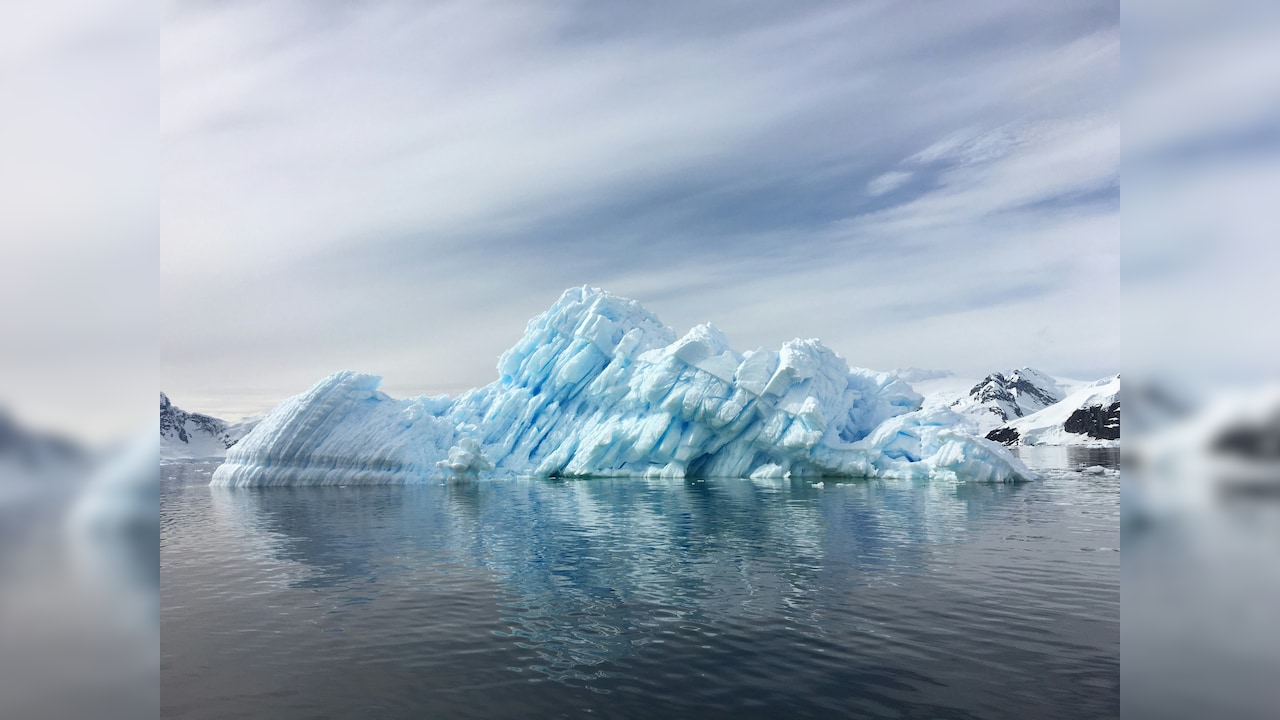
Scientists have found that the Thwaites Glacier, often called the 'Doomsday Glacier,' is melting faster than previously predicted. This massive ice sheet in Antarctica is currently unstable, and new research suggests it could contribute significantly to rising sea levels in the coming decades. The glacier acts as a critical buttress for the rest of the ice sheet, and its collapse could have far-reaching consequences for coastal regions around the world.
For investors, this news highlights the growing urgency of climate risks. While the direct impact on individual stocks is complex, the broader trend toward environmental sustainability and adaptation is becoming more pronounced. Companies involved in renewable energy, water management, and infrastructure resilience may see increased relevance as governments and businesses prepare for a changing climate.
Investors should monitor policy responses and technological advancements aimed at mitigating climate change. As the financial sector integrates environmental risks more deeply, sectors focused on green technology and sustainable practices are likely to attract greater attention. Keeping an eye on how global markets react to climate data can provide insights into long-term investment opportunities.
Key takeaways
- Category: Economy.
- AI reads the tone as negative (potentially bearish) for the stock.
Why it matters
A routine update. The tone is negative — watch for downside reaction. Use the price and stock snapshot to gauge how the market is responding.