Union Budget 2027: Should government scrap LTCG tax and hike STT instead?
Times of India 1 hr ago·27 Nov 2026, 12:40 pm
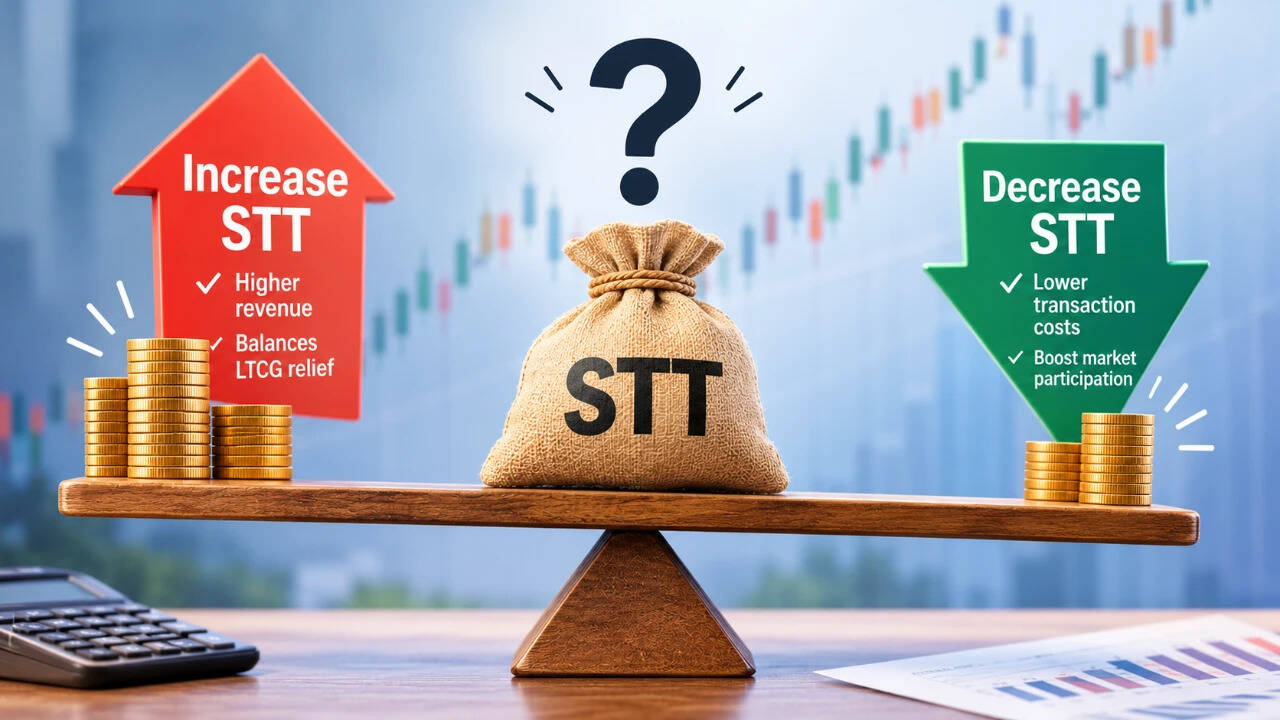
The upcoming Union Budget 2027-28 is sparking debate over how to balance tax revenue with investor incentives. A key proposal is the potential abolition or reduction of the Long-Term Capital Gains (LTCG) tax, which currently applies to profits from equity holdings held for more than one year. To make up for the lost revenue, the government is considering increasing the Securities Transaction Tax (STT) levied on stock trades. This shift aims to make the market more attractive by lowering the tax burden on long-term investors while ensuring the fiscal deficit is not compromised.
For investors, this proposed change could significantly impact their returns and trading strategies. If the LTCG tax is scrapped, it would reduce the tax drag on long-term wealth creation, potentially boosting investor sentiment. However, a higher STT could increase the cost of trading, especially for active investors. The move reflects a broader effort to make India's tax regime more competitive with global peers while maintaining a steady flow of revenue for the government.
Affected stocks
Neutral1 stockBull / bear label is derived from the article's AI sentiment — indicative, not advice. Prices may be delayed.
Key takeaways
- Concerns State Bank OF India (SBIN).
- Category: Corporate Action.
- Flagged as a high-impact, market-moving story.
Why it matters
This is a high-impact development for State Bank OF India and could move the stock. Use the price and stock snapshot to gauge how the market is responding.