Neutral impactSector
UPI MDR from 15 October: How merchant charges compare with credit, debit card fees and credit-linked UPI
Mint 2 hrs ago·16 Sept 2026, 2:26 am

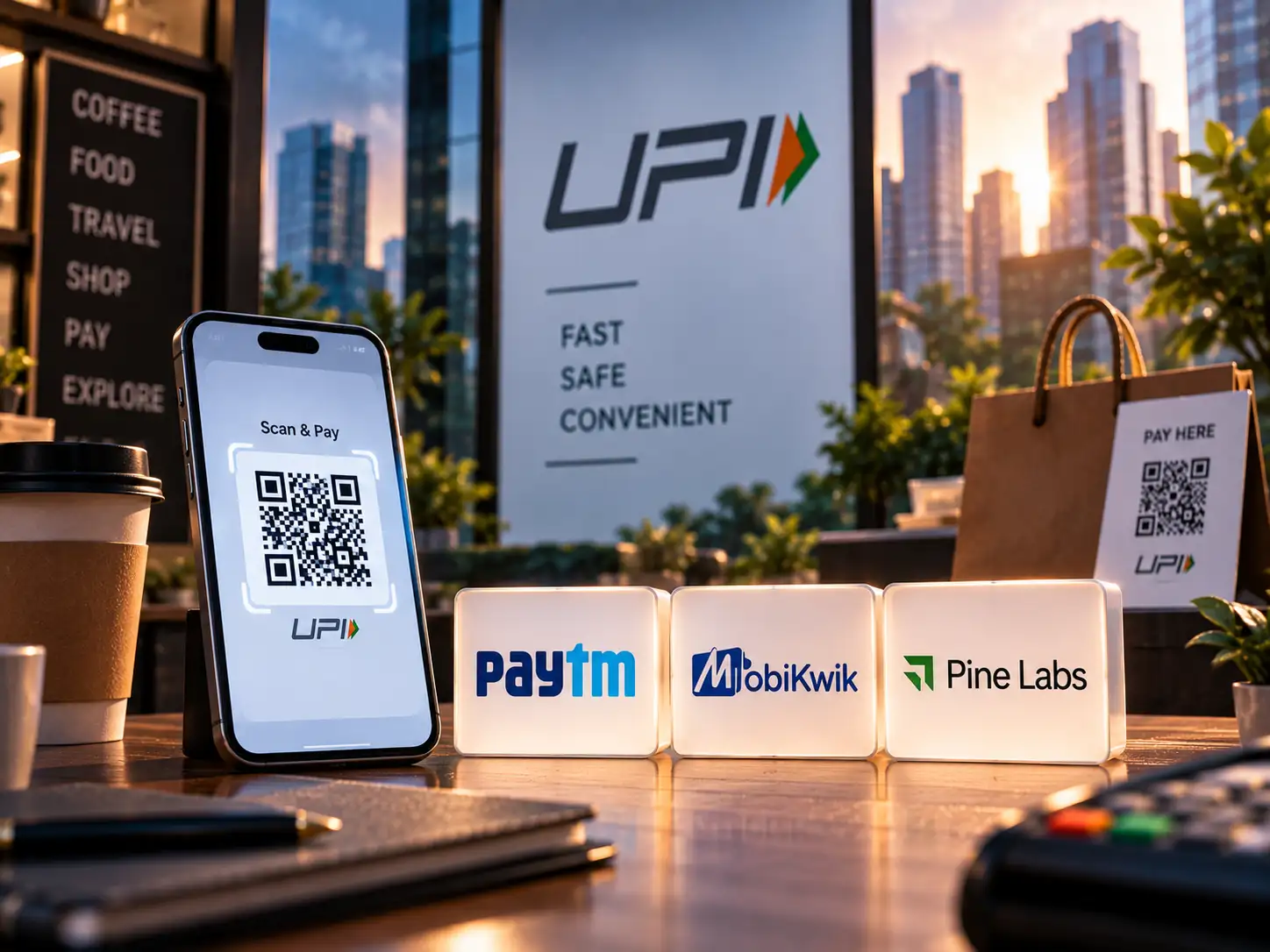
From October 15, the National Payments Corporation of India (NPCI) will introduce a small merchant discount rate (MDR) charge on certain Unified Payments Interface (UPI) transactions. This fee will apply to specific types of payments, such as credit-linked UPI transactions and those involving large value transfers. The move aims to ensure a sustainable business model for banks and payment service providers, as they bear the cost of processing these digital payments.
For investors, this policy shift is a key development for the broader financial sector. It signals a move toward a more mature payments ecosystem where digital transactions are increasingly self-sustaining. The impact will vary across the sector, with banks and fintech companies likely to see different effects depending on their reliance on UPI volume and their ability to pass on costs to merchants or customers.
Investors should watch for how merchants and consumers adapt to the new charges. Increased acceptance of small fees by users could normalize digital transaction costs, while a drop in volume might pressure banks' revenue. The sector's performance will depend on how well companies balance these new costs with the long-term growth of digital payments.
Excerpt from Mint
From 15 October, NPCI's new MDR policy will apply to certain UPI transactions. Here's how the merchant charges compare with credit card and debit card fees, and credit-linked UPI. The National Payments Council of India (NPCI) has announced a merchant discount rate (MDR) on select UPI transactions conducted from person…Read the original at Mint
Key takeaways
- Category: Sector.
- Assessed as a significant, market-relevant update.
Why it matters
A meaningful update worth tracking. Use the price and stock snapshot to gauge how the market is responding.