Neutral impactEconomy
US Forces Leave Iraq After Two Decades: What It Means For Iran And The Region
NDTV Profit 3 hrs ago·29 Sept 2026, 9:23 am
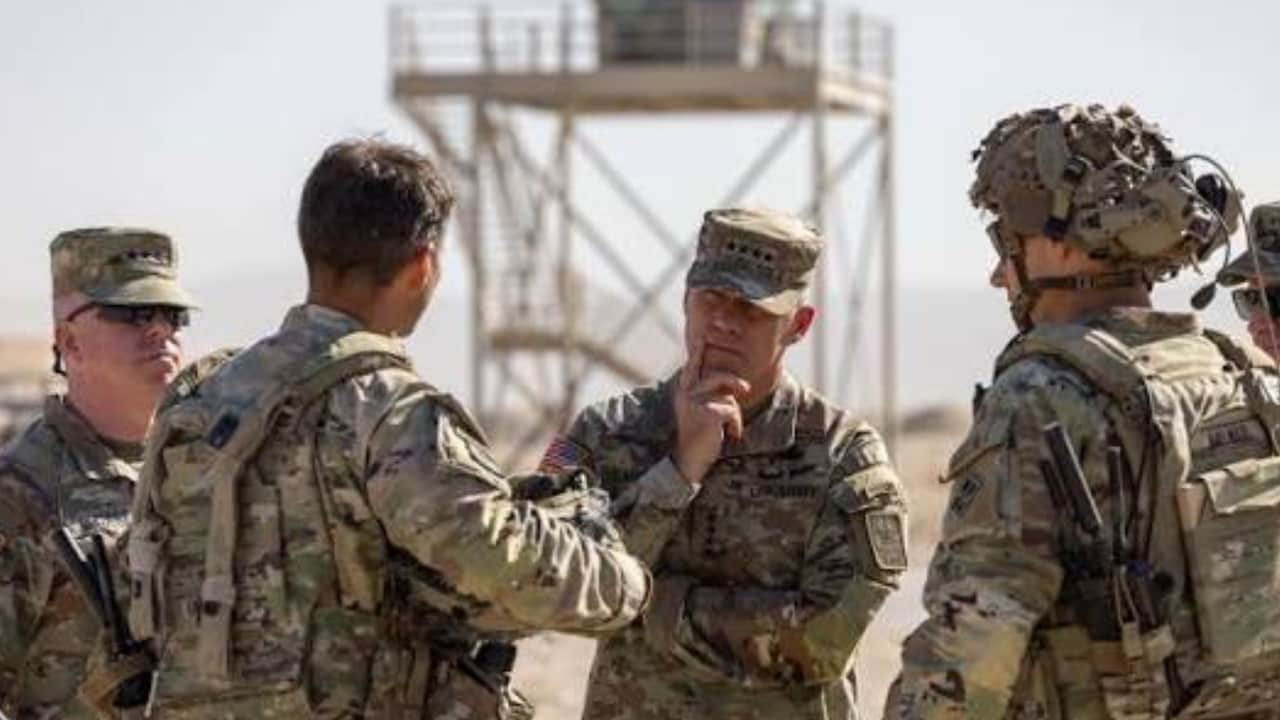
The United States has completed the withdrawal of its troops from Iraq, ending a military presence that began after the 2003 invasion. This pullback marks a significant shift in the region's security landscape. While the US government frames this as a strategic repositioning, the move is widely viewed by regional analysts as a move to reduce long-term costs and refocus resources elsewhere.
For investors, this geopolitical shift carries broad implications. A reduction in US military engagement in the Middle East often leads to increased geopolitical uncertainty. This can create volatility in oil prices and disrupt global trade routes. Investors should monitor how regional tensions evolve, as any flare-up could impact energy markets and supply chains.
Looking ahead, the focus will be on how Iran and its regional allies utilize this power vacuum. Increased influence by these groups could lead to further instability. Traders should watch for any diplomatic developments or security incidents in the region, as these factors are likely to drive market sentiment in the coming weeks.
Key takeaways
- Category: Economy.
- Assessed as a significant, market-relevant update.
Why it matters
A meaningful update worth tracking. Use the price and stock snapshot to gauge how the market is responding.