US-India trade deal hinges on tariff edge over rivals, says Piyush Goyal
CNBC-TV18 1 hr ago·3 Sept 2026, 4:14 pm
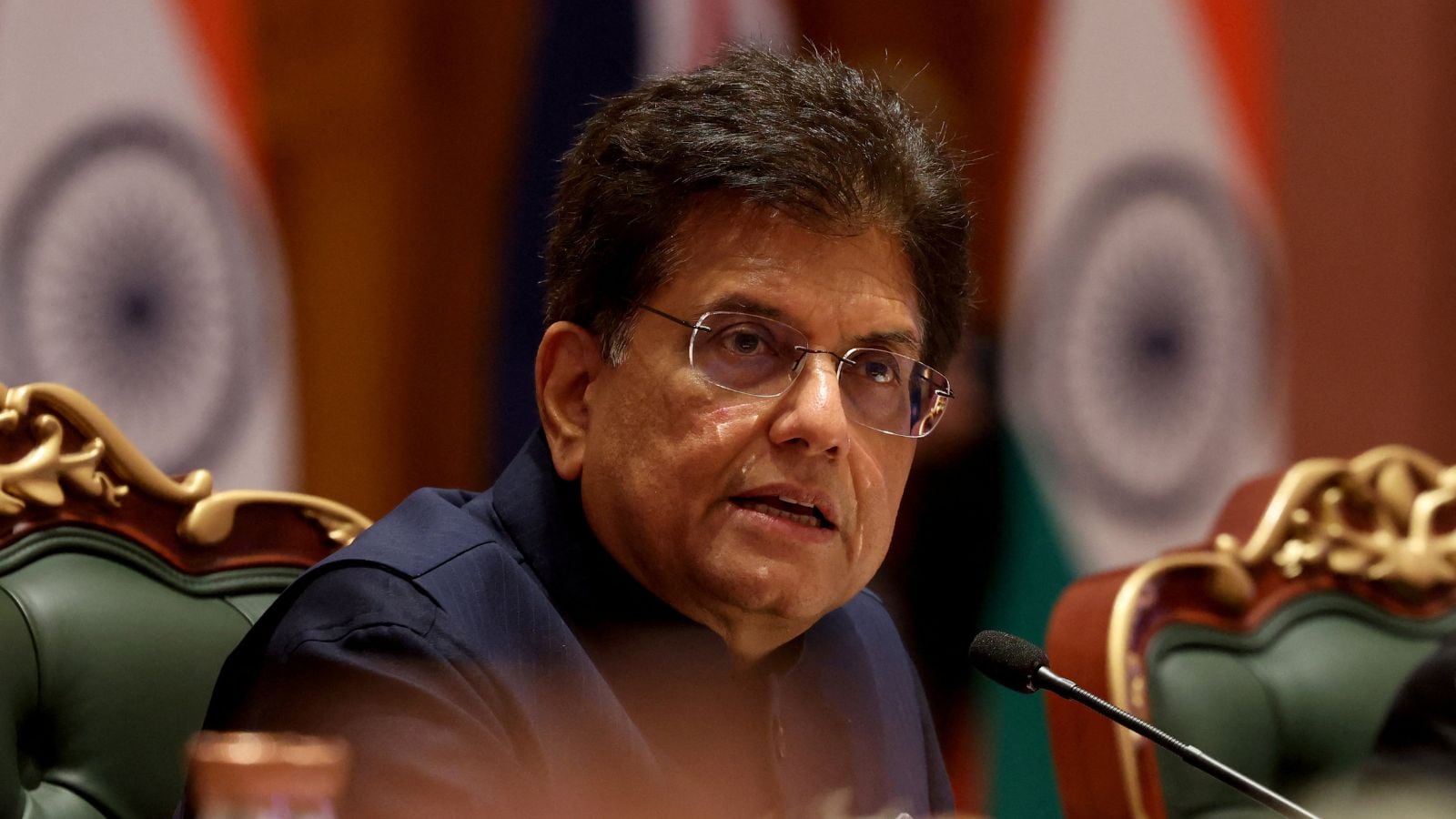
Commerce Minister Piyush Goyal has clarified that a final trade deal with the United States will depend on India securing a preferential tariff rate that beats out competitors like Vietnam and Bangladesh. This means the specific number on the tariff is less important than the relative advantage it offers Indian exporters in key sectors such as textiles. The goal is to ensure American businesses find it more cost-effective to source goods from India than from other low-cost manufacturing hubs.
For investors, this development signals a potential shift in global trade dynamics that could boost the competitiveness of Indian manufacturing. If India successfully negotiates a better tariff position, it could lead to increased export volumes and improved margins for domestic companies. However, the market will closely watch the final terms of the agreement to see if the promised benefits translate into tangible growth for Indian businesses.
What to watch next is the progress of the ongoing negotiations and any specific concessions India secures from Washington. Traders will also monitor how global competitors react to any new tariff structures. Ultimately, the success of this deal could reshape trade flows and influence the performance of export-oriented sectors in the broader market.
Key takeaways
- Category: Economy.
- Flagged as a high-impact, market-moving story.
Why it matters
This is a high-impact development and could move the stock. Use the price and stock snapshot to gauge how the market is responding.