Neutral impactEconomy
Warren Buffett once called bonds a terrible investment but later massively invested in them. Here's why
Economic Times 1 hr ago·2 Sept 2026, 8:15 am
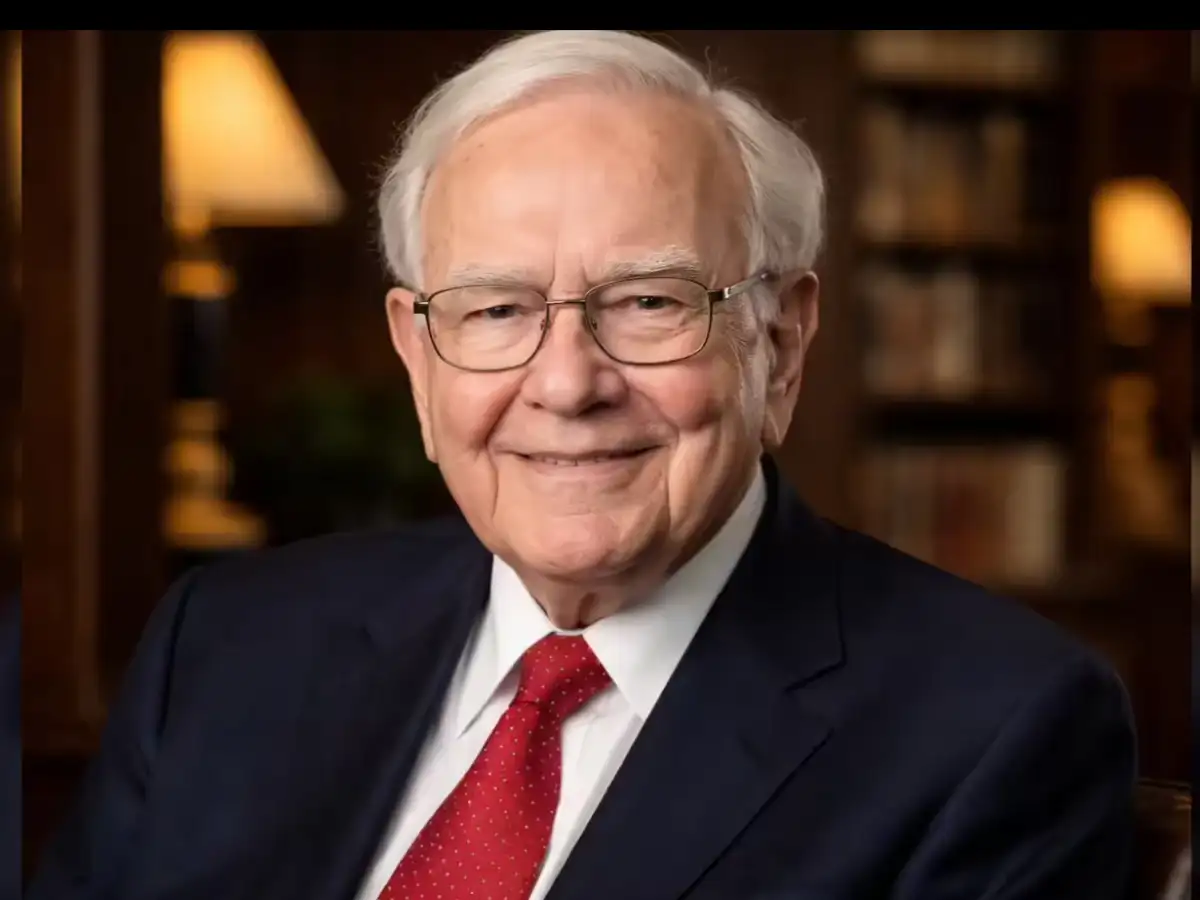
Warren Buffett has famously criticized long-term bonds as a poor investment for patient investors. However, Berkshire Hathaway has recently built a significant position in short-term U.S. Treasury bills. This move highlights a crucial distinction: the difference between long-duration bonds and cash-like instruments. Short-term Treasuries offer safety and liquidity, whereas long-term bonds are highly sensitive to interest rate changes.
This strategy matters to investors because it underscores the importance of duration risk. As global interest rates rise, long-term bond prices tend to fall, eroding capital. Short-term Treasuries, on the other hand, act more like cash, preserving principal while earning a return. It is a reminder that investment choices should align with your specific time horizon and risk tolerance.
Investors should watch for how central banks manage inflation and interest rates. A shift in monetary policy could impact the attractiveness of short-term versus long-term fixed income. Understanding the difference between holding a bond and holding cash is key to navigating a changing economic landscape.
Excerpt from Economic Times
Warren Buffett has long warned against long-term bonds, calling them a poor investment for investors with extended horizons. Yet Berkshire Hathaway has amassed a huge short-term Treasury position, highlighting the distinction between long-duration bonds and cash-like instruments. As global yields surge, Buffett’s bond…Read the original at Economic Times
Key takeaways
- Category: Economy.
- Assessed as a significant, market-relevant update.
Why it matters
A meaningful update worth tracking. Use the price and stock snapshot to gauge how the market is responding.