Positive impactCompany
Why junk bonds deliver equity-like returns but with far inferior volatility, explains Saurabh Mukherjea
Economic Times 7 hrs ago·6 Oct 2026, 7:56 am
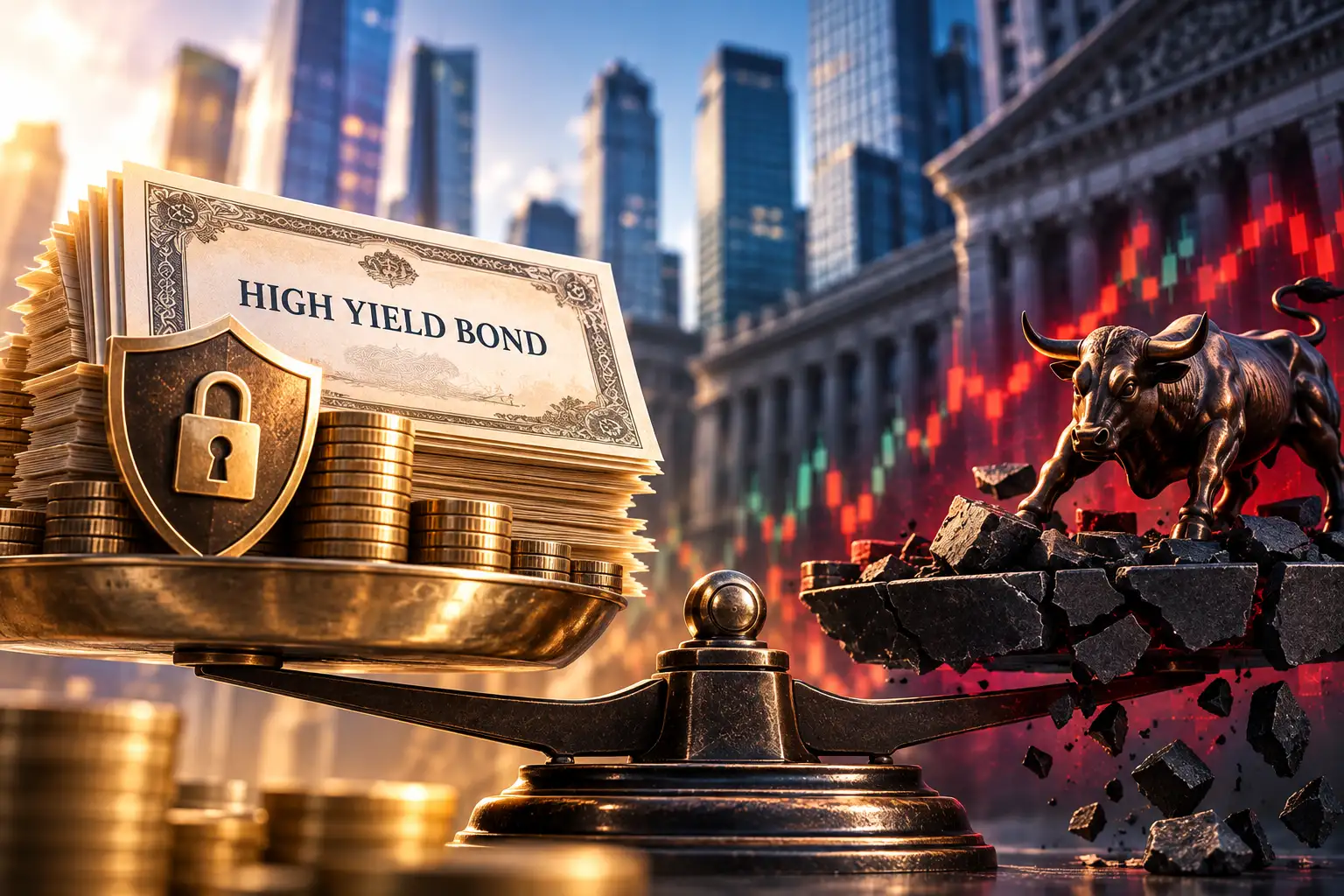
High-yield bonds, often called 'junk' bonds, offer a compelling option for investors seeking returns closer to the stock market without the extreme price swings. These are corporate debt instruments issued by companies with lower credit ratings. While they carry higher default risk, they compensate investors with significantly higher interest rates, or coupons, compared to safer government bonds. This combination allows them to generate equity-like total returns over time while maintaining lower volatility than owning individual stocks directly.
For the average retail investor, these bonds can serve as a stabilizing force within a portfolio. Because they are senior to equity in a company's capital structure, they are paid back before shareholders in the event of liquidation. Furthermore, a basket of high-yield bonds provides natural diversification, as the failure of one company is unlikely to impact the entire portfolio. This makes them a useful tool for balancing growth and risk in a long-term investment strategy.
Investors should monitor the overall health of the corporate debt market and interest rate trends to gauge the risk level. While the potential for higher income is attractive, it is important to remember that credit quality can deteriorate. Keeping an eye on economic indicators and company-specific news will help investors assess whether the current high yields are a fair reward for the risk or if they are pricing in a potential downturn.
Key takeaways
- Category: Company.
- AI reads the tone as positive (potentially bullish) for the stock.
Why it matters
A routine update. The tone is positive — historically associated with upward pressure, though not predictive. Use the price and stock snapshot to gauge how the market is responding.