Will banks increase deposit rates after RBI rate hike?
Economic Times 2 hrs ago·9 Oct 2026, 2:22 am
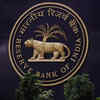
The Reserve Bank of India (RBI) has raised the repo rate by 25 basis points to 5.50 per cent, marking its first increase in nearly four years. This move is part of a shift in the central bank's policy stance to 'calibrated tightening,' signaling a readiness to curb inflation by making borrowing more expensive.
For investors, this hike directly impacts the banking sector. Banks typically pass on higher rates to savers by increasing deposit rates, which helps them attract funds at a lower cost. This could boost the net interest margins for lenders, potentially improving their profitability in the long run.
Investors should watch how quickly and by how much banks raise their deposit rates. If lenders pass on the hike to customers, it could support stock prices in the banking space. However, a delay in rate hikes might pressure margins, so monitor upcoming quarterly earnings for clarity on this trend.
Key takeaways
- Category: Economy.
- AI reads the tone as negative (potentially bearish) for the stock.
- Flagged as a high-impact, market-moving story.
Why it matters
This is a high-impact development and could move the stock. The tone is negative — watch for downside reaction. Use the price and stock snapshot to gauge how the market is responding.