Yes Bank AT-1 Supreme Court Verdict: Who Will Pay Bondholders Six Years After Write-Down?
NDTV Profit 1 hr ago·16 Oct 2026, 7:27 am
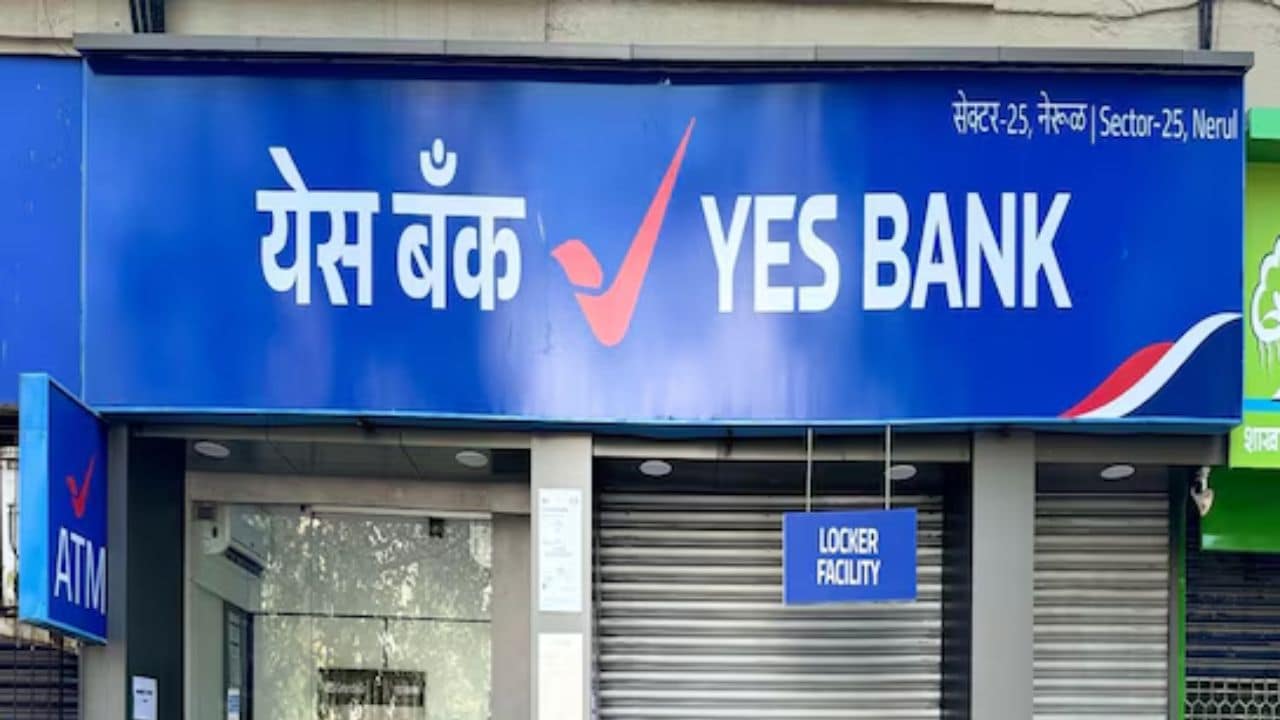
The Supreme Court has ruled that Yes Bank's Additional Tier 1 (AT-1) bondholders must bear the loss from the bank's 2020 restructuring, rejecting their claim that the write-down was invalid. This decision means that the investors who bought these bonds will not receive any repayment, marking a significant setback for the retail investors who had purchased them expecting a return.
This verdict is crucial because it sets a legal precedent for how banks can handle distressed debt. It clarifies that the bank's board has the power to write down these bonds without court intervention, potentially making future AT-1 bond issues more attractive to investors. However, it also highlights the high risk associated with these instruments, as they are subordinate to other creditors and can be written down in a crisis.
Investors should now focus on the bank's future bond issuance plans and the clarity it brings to the banking sector's capital structure. The ruling may encourage banks to issue more AT-1 bonds to bolster their capital buffers, but it also serves as a reminder for investors to carefully assess the risks before investing in such instruments.
Affected stocks
Bearish1 stock
Bull / bear label is derived from the article's AI sentiment — indicative, not advice. Prices may be delayed.
Key takeaways
- Concerns Yes Bank (YESBANK).
- Category: Economy.
- AI reads the tone as negative (potentially bearish) for the stock.
- Flagged as a high-impact, market-moving story.
Why it matters
This is a high-impact development for Yes Bank and could move the stock. The tone is negative — watch for downside reaction. Use the price and stock snapshot to gauge how the market is responding.