Negative impactCommodity
Your iPhone Costs 12 Grams Of Gold, A Car About 100. What Does Your Life Weigh?
NDTV Profit 5 hrs ago·26 Nov 2026, 10:03 am
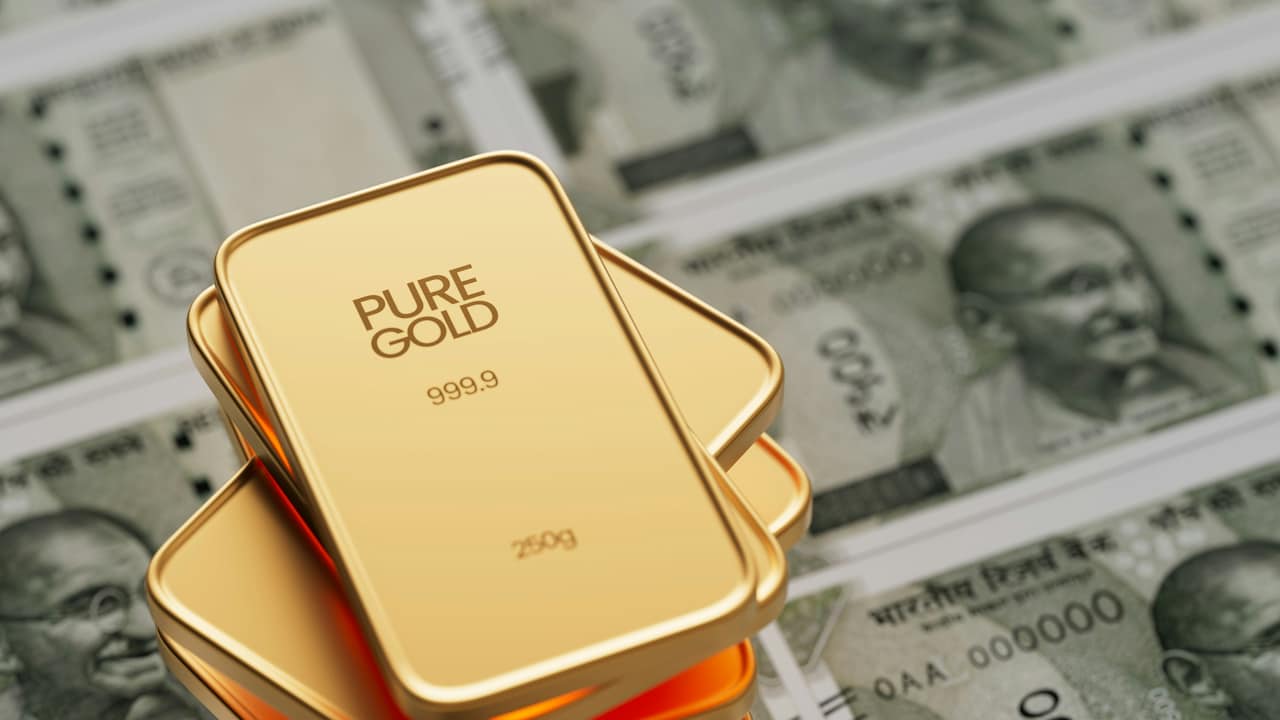
Gold prices have surged to record highs, briefly surpassing $5,589 per ounce in late January. This dramatic rally was driven by a mix of geopolitical tensions and aggressive interest rate cuts by central banks, which make the precious metal a safer store of value. However, the rally has cooled, with prices now hovering near $3,570, representing a significant correction from those peaks.
For investors, this volatility matters because gold often serves as a hedge against inflation and economic uncertainty. While the recent drop may unsettle those who bought at the peak, it also presents a new entry point for long-term investors. The key is to look beyond short-term price swings and focus on the underlying economic factors driving the metal.
Moving forward, investors should watch for central bank policies and global economic data. A shift in these areas could trigger the next major move in gold prices. Whether you view this as a correction or a turning point, staying informed about market trends is essential for making sound investment decisions.
Key takeaways
- Category: Commodity.
- AI reads the tone as negative (potentially bearish) for the stock.
Why it matters
A routine update. The tone is negative — watch for downside reaction. Use the price and stock snapshot to gauge how the market is responding.