Neutral impactEconomy
BRICS Summit: What Does The Landmark New Delhi Declaration Mean For Global Economy? Explained
NDTV Profit 1 hr ago·13 Sept 2026, 8:49 am
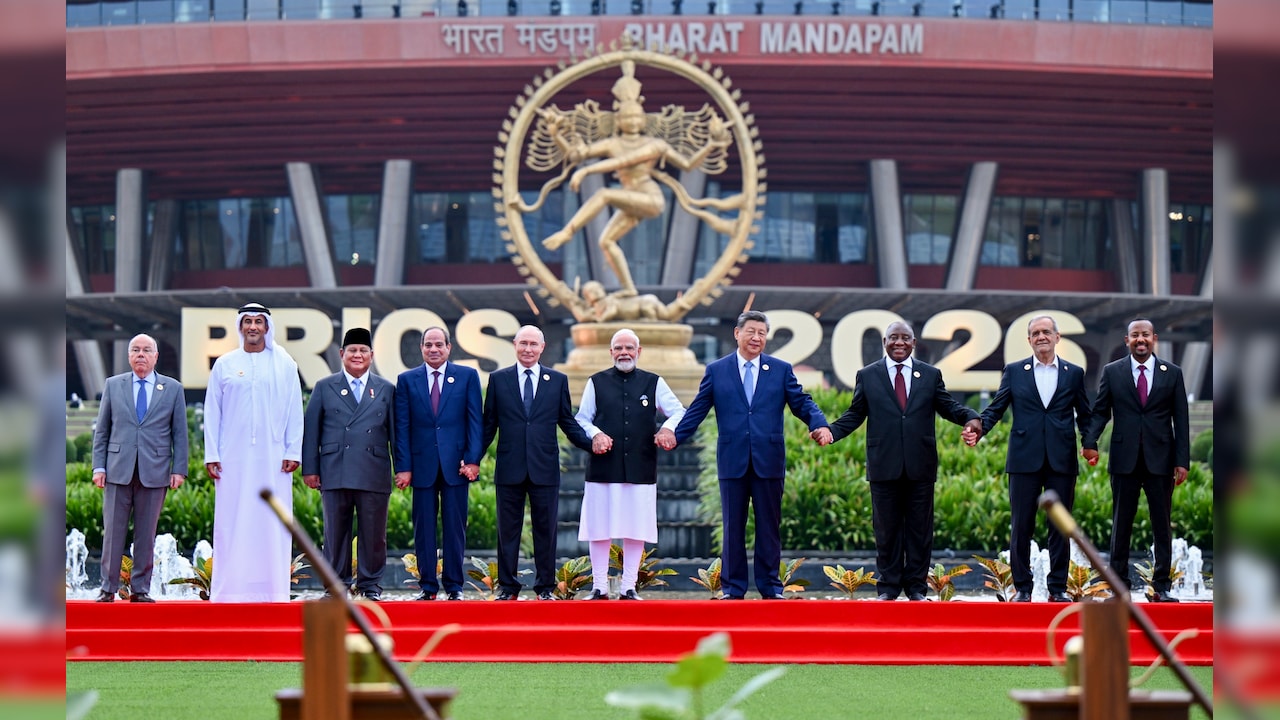
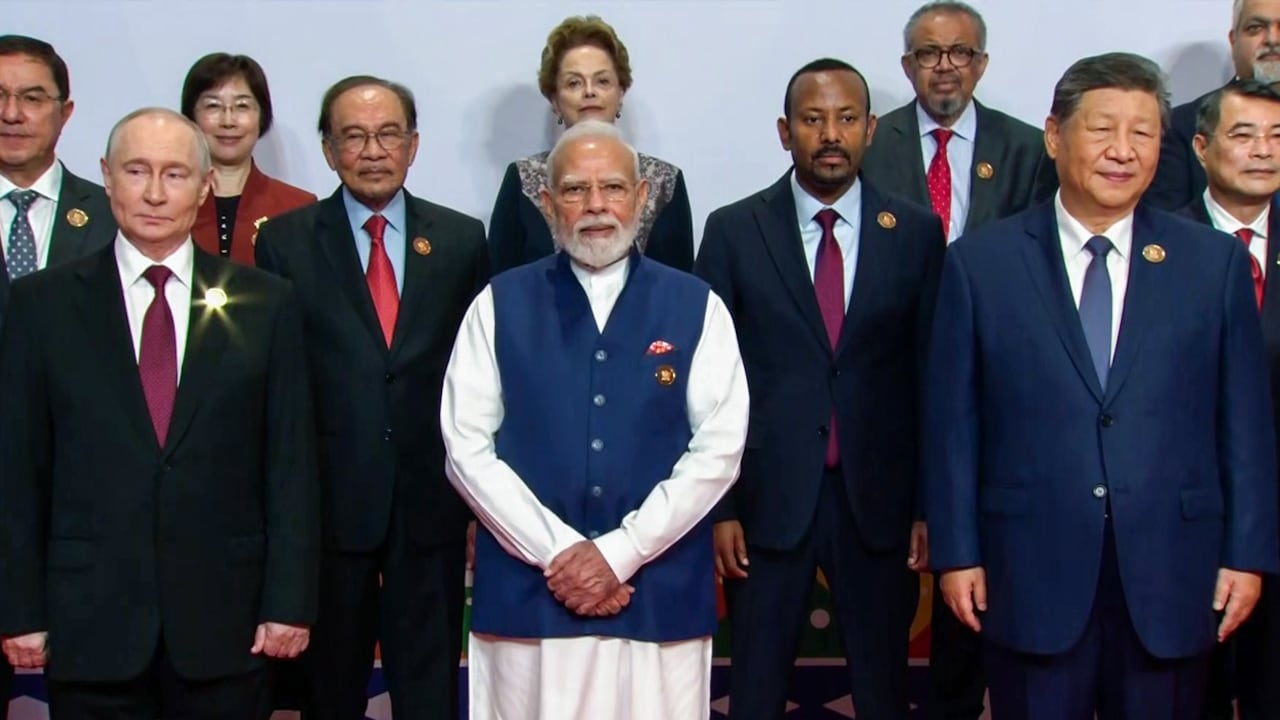
The BRICS nations, including India, have adopted the New Delhi Declaration, a significant agreement to deepen economic cooperation and reform global financial institutions. The leaders aim to enhance trade among member countries, reduce reliance on traditional Western-dominated systems, and explore new payment mechanisms to facilitate smoother cross-border transactions.
For investors, this development signals a potential shift in the global economic landscape, fostering greater financial integration within the BRICS bloc. It highlights a move toward a more multipolar world order, which could influence market sentiment and long-term investment strategies as these nations seek to assert greater influence in global trade and finance.
Investors should watch for specific policy implementations, such as the launch of new trade agreements or currency swap arrangements, which could directly impact global liquidity and supply chains. While the declaration is a step toward economic diversification, its long-term effect on specific sectors and markets will depend on how effectively these nations execute their shared goals.
Key takeaways
- Category: Economy.
- Assessed as a significant, market-relevant update.
Why it matters
A meaningful update worth tracking. Use the price and stock snapshot to gauge how the market is responding.