Neutral impactEconomy
DA news: What are the types of dearness allowance, how is it calculated and revised? Here are top FAQs answered
Mint 1 hr ago·12 Oct 2026, 5:22 am

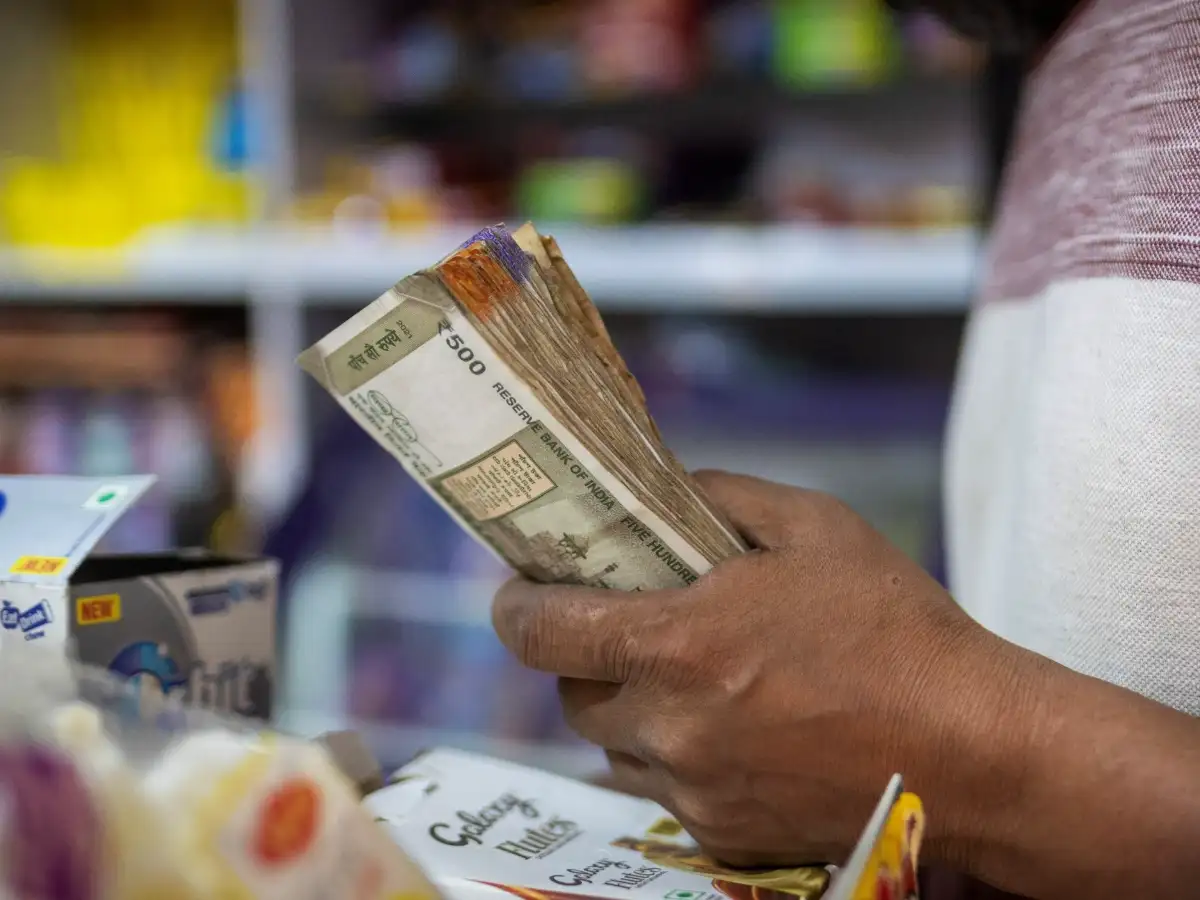
Dearness Allowance (DA) is a cost-of-living adjustment given to employees to help them cope with inflation. It is calculated as a percentage of the basic salary and is revised periodically, usually twice a year, to match rising prices. This adjustment is crucial for maintaining the real purchasing power of the workforce.
For investors, DA revisions are a key indicator of the government's fiscal health and its ability to manage inflation. Higher DA payouts often signal a robust economy, which can boost consumer spending. Conversely, frequent revisions may reflect persistent inflationary pressures, potentially impacting corporate margins and overall market sentiment.
Investors should monitor the frequency and magnitude of these revisions. A steady increase in DA suggests a stable economic environment, while erratic changes might signal volatility. Keeping an eye on inflation trends and government announcements will help gauge the broader market's direction.
Excerpt from Mint
Dearness Allowance is a percentage of employees' pay aimed at helping households manage the increased cost of living. For calculation purposes, it is separated into two categories: industrial and variable DA. Revised twice annually based on data from the All-India Consumer Price Index (AICPI), Dearness Allowance (DA)…Read the original at Mint
Key takeaways
- Category: Economy.
- Assessed as a significant, market-relevant update.
Why it matters
A meaningful update worth tracking. Use the price and stock snapshot to gauge how the market is responding.