Inflation could hit 7%, forcing RBI to hike rates by 150 bps further: Report
Economic Times 1 hr ago·12 Oct 2026, 6:14 am
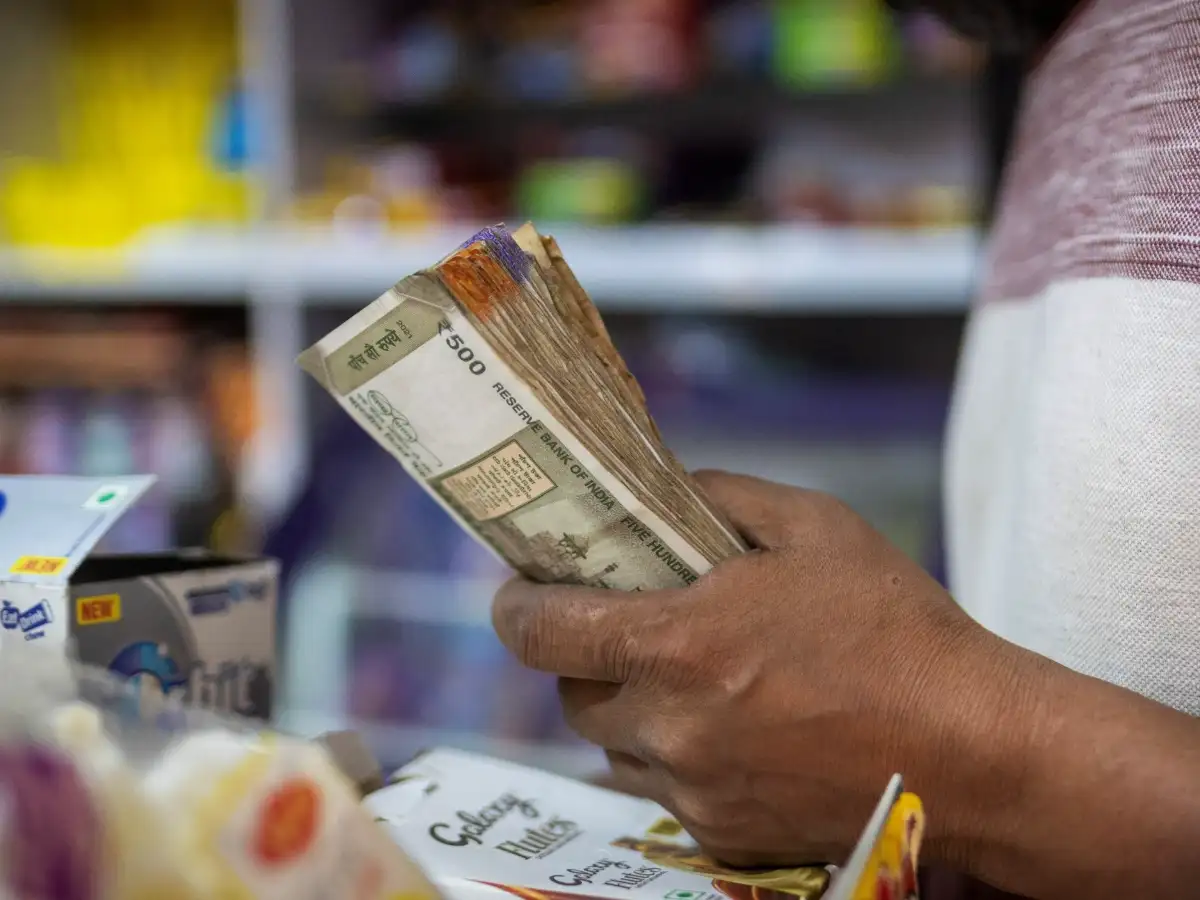
A recent report suggests that India's inflation rate could climb to 6-7% in the near term, driven by higher input costs and strong consumer demand. This uptick in price pressures is prompting concerns that the Reserve Bank of India (RBI) may be forced to implement a significant interest rate hike of 150 basis points to curb rising prices. The central bank has already revised its inflation forecasts upwards, signaling a shift in its monetary policy stance.
For investors, this development is critical as it directly impacts the banking sector. Higher interest rates generally lead to increased borrowing costs for businesses and individuals, which can dampen economic growth and potentially reduce loan demand. However, banks often benefit from a steeper yield curve, where the difference between lending and deposit rates widens, potentially boosting net interest margins. The stock price of Bank India will likely react to the market's interpretation of these macroeconomic risks and the RBI's future policy moves.
Investors should closely monitor the RBI's upcoming policy announcements and the government's measures to control inflation. The market will be watching for clarity on whether the central bank will prioritize growth or price stability. Any indication of aggressive rate hikes could weigh on bank stocks, while a more cautious approach might provide some support. Keeping an eye on inflation data and the RBI's forward guidance will be essential for navigating this period of uncertainty.
Affected stocks
Bearish1 stock
Bull / bear label is derived from the article's AI sentiment — indicative, not advice. Prices may be delayed.
Key takeaways
- Concerns Bank of India (BANKINDIA).
- Category: Economy.
- AI reads the tone as negative (potentially bearish) for the stock.
- Flagged as a high-impact, market-moving story.
Why it matters
This is a high-impact development for Bank of India and could move the stock. The tone is negative — watch for downside reaction. Use the price and stock snapshot to gauge how the market is responding.