Neutral impactEconomy
Explained: How RBI is trying to arrest the rupee’s slide
Economic Times 1 hr ago·12 Oct 2026, 4:08 am
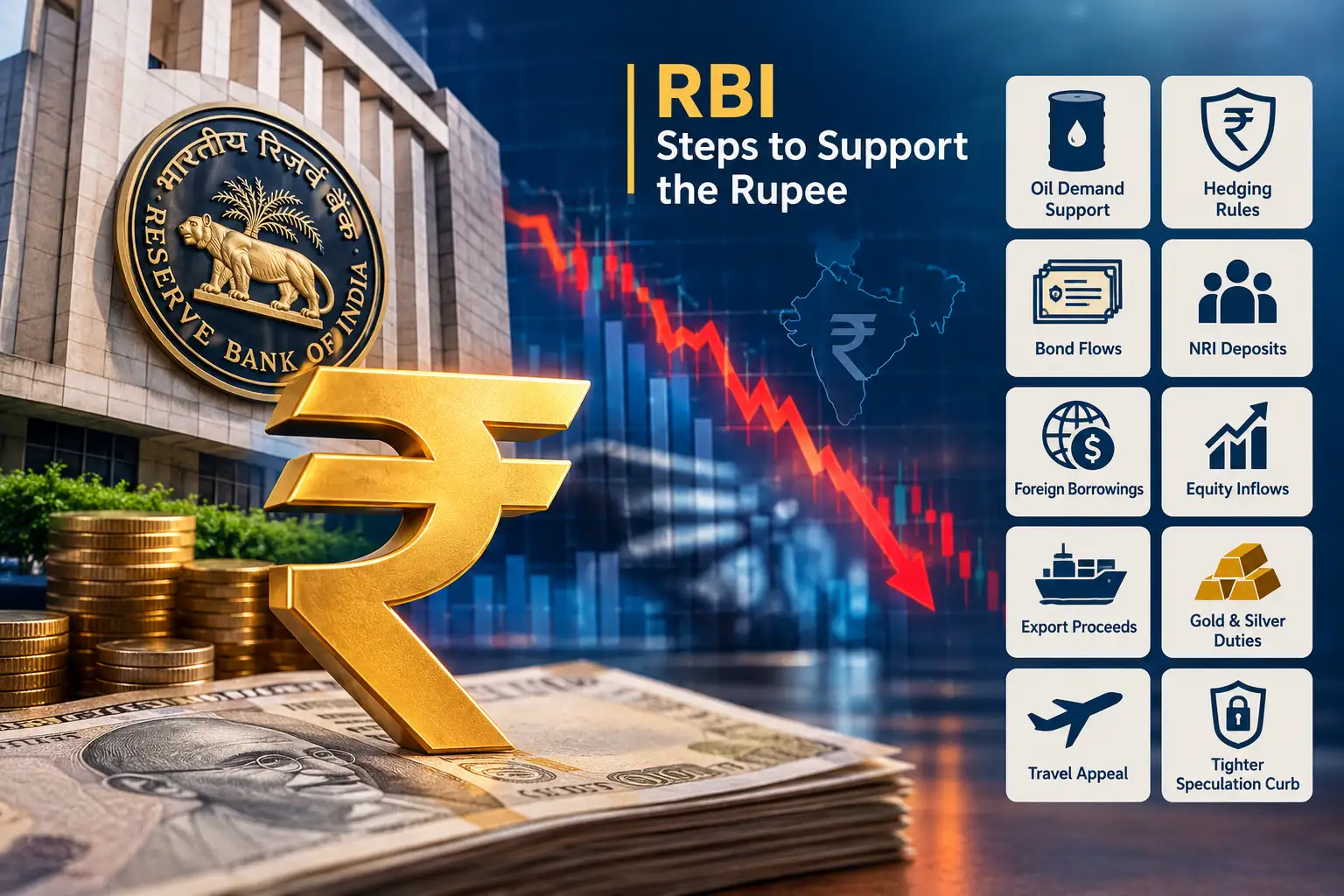
The Reserve Bank of India has stepped up to halt the rupee’s recent slide, which has been driven by higher oil prices and a wave of foreign selling in Indian equities. By channeling oil‑related dollar demand through the central bank and tightening rules on corporate speculation, the RBI aims to reduce pressure on the currency.
For investors, a steadier rupee can ease the cost of imports and lower foreign‑exchange risk on loan portfolios, which is especially relevant for banks such as Bank India. The new framework also seeks to attract more foreign bond purchases, potentially improving funding conditions for Indian financial institutions.
Going forward, market participants will watch RBI policy updates, oil‑price movements and the flow of foreign portfolio money. Any further tweaks to NRI investment rules or foreign‑currency borrowing limits could also shape Bank India’s earnings from FX margins and bond‑related activities.
Excerpt from Economic Times
India's currency has faced significant pressure due to rising oil prices and foreign selling of equities. The Reserve Bank of India is implementing measures to stabilize the rupee, including redirecting oil-related dollar demand. New rules have been introduced to curb corporate speculation and enhance bond flows for…Read the original at Economic Times
Affected stocks
Neutral1 stock
Bull / bear label is derived from the article's AI sentiment — indicative, not advice. Prices may be delayed.
Key takeaways
- Concerns Bank of India (BANKINDIA).
- Category: Economy.
- Assessed as a significant, market-relevant update.
Why it matters
A meaningful update for Bank of India worth tracking. Use the price and stock snapshot to gauge how the market is responding.